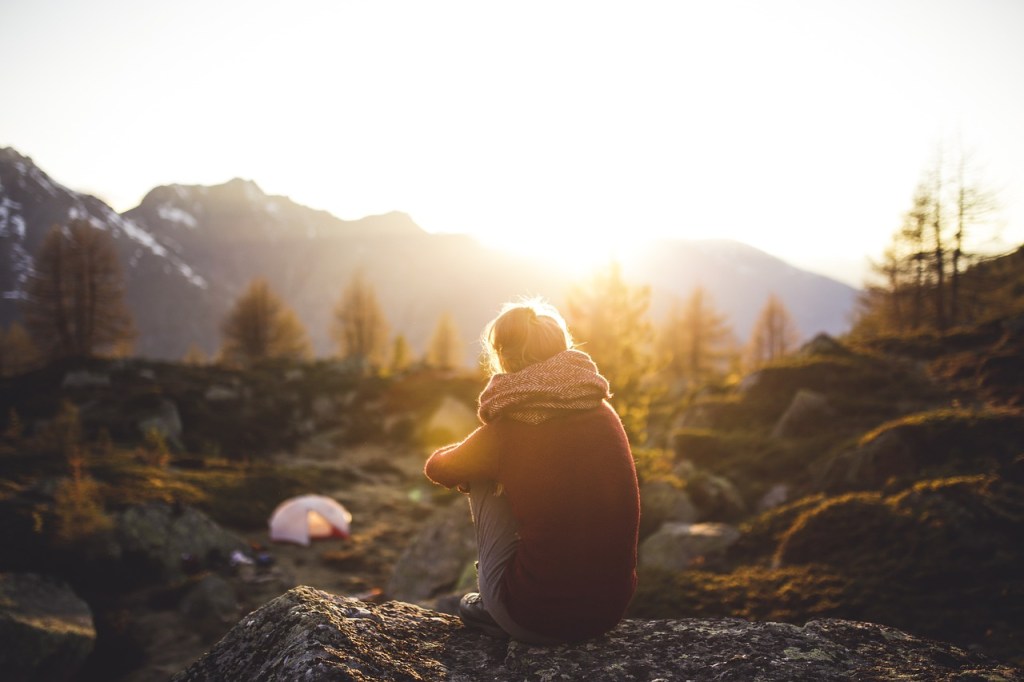
Must-Have Equipment for Your Next Outdoor Adventure
Camping can be an incredible experience, offering a chance to connect with nature and escape the hustle and bustle of daily life. However, having the right gear is crucial for a successful camping trip. Whether you’re a seasoned camper or new to the outdoors, the right equipment can make all the difference in comfort, safety, and overall enjoyment.

In this blog post, we’ll guide you through the essential gear for a successful camping trip. We’ll cover everything from choosing the perfect tent and sleeping bag to essential cooking equipment and safety items. Each item on our list is carefully selected to ensure you have a comfortable and enjoyable camping experience, whether you’re staying at a family-friendly campsite or exploring remote backcountry locations.
We’ll also share some tips on how to pack efficiently, what clothing to bring, and how to choose gear that suits your specific camping style. By the end of this post, you’ll have a comprehensive checklist of essential camping gear to help you plan your next adventure with confidence.
So, let’s dive in and explore the must-have gear for your next camping trip. With the right preparation and equipment, you’ll be ready to enjoy all that the great outdoors has to offer. Happy camping!
Choosing the Right Tent
Selecting the perfect tent is a crucial part of planning a successful camping trip. The right tent can make all the difference in comfort and enjoyment, whether you’re camping with family, going solo, or backpacking through the wilderness. Here are some key points to consider when choosing a tent:

Types of Tents
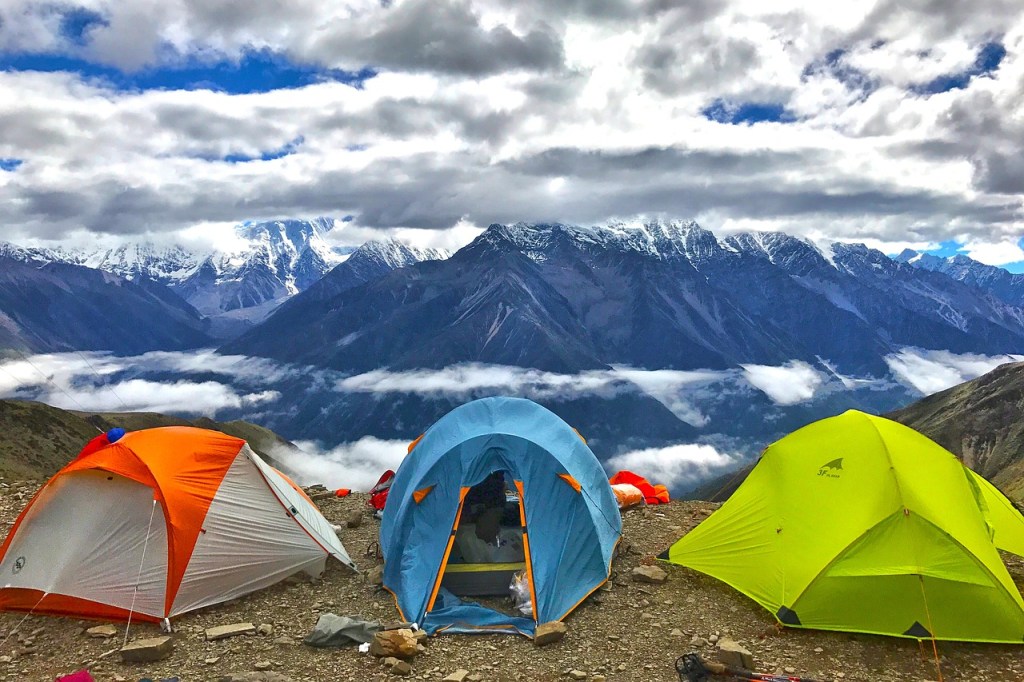
- Dome Tents: Dome tents are popular for their ease of setup and stability. They feature two or more poles that intersect in the middle, creating a dome shape. These tents are great for general camping and can handle moderate weather conditions.
- Tunnel Tents: Tunnel tents are long and cylindrical, providing excellent space and comfort. They are ideal for families or groups as they often have separate sleeping and living areas. However, they require more time to set up and may not be as stable in heavy winds.
- Cabin Tents: Cabin tents offer vertical walls, providing more headroom and spacious interiors. These are perfect for family camping trips where comfort is a priority. They are heavier and bulkier, making them less suitable for backpacking.
Factors to Consider
- Size: Choose a tent that fits your group size comfortably. If you’re a family of four, a six-person tent might be ideal for extra space. Solo campers might prefer a compact two-person tent for added room.
- Weight: If you’re backpacking, opt for a lightweight tent that won’t add much to your load. Dome and tunnel tents are generally lighter and more portable than cabin tents.
- Weather Resistance: Consider the weather conditions you’ll be camping in. Look for tents with good waterproof ratings, sturdy poles, and strong guy lines to withstand wind and rain. Four-season tents are available for winter camping.
Recommendations for Different Camping Scenarios
- Family Camping: The Coleman WeatherMaster Tent is a great choice. It’s spacious, weather-resistant, and easy to set up.
- Solo/Couples Camping: The OneTigris Stella 4 Season Camping Tent is lightweight, compact, and offers good weather protection.
- Backpacking: The Big Agnes Copper Spur HV UL2 is an excellent option. It’s ultralight, easy to carry, and durable.
Trusted Brands
Brands like REI, Coleman, and Big Agnes are well-known for their high-quality tents. They offer a range of options suited to different camping needs, ensuring durability, comfort, and protection in various conditions.
Choosing the right tent ensures that your camping trip will be comfortable and enjoyable, no matter where your adventures take you. By considering the type, size, weight, and weather resistance of a tent, you can find the perfect shelter for your needs.
Sleeping Comfortably While Camping: Sleeping Bags, Camping Blankets and More
A good night’s sleep is essential for a successful camping trip. The right sleeping gear can make a significant difference in how rested and refreshed you feel. Here’s a guide to ensuring you sleep comfortably while camping.
Importance of a Good Sleeping Bag
A good sleeping bag is one of the most important pieces of camping gear. It provides insulation and comfort, keeping you warm during cold nights. When choosing a sleeping bag, consider the temperature ratings to ensure it matches the conditions you’ll be camping in.
Types of Sleeping Bags
- Mummy Sleeping Bags: These are tapered at the feet and have a hood, providing maximum warmth and minimal weight. They are ideal for cold-weather camping and backpacking.
- Marmot Trestles 15 – A highly rated mummy bag known for its warmth and durability.
- Rectangular Sleeping Bags: These offer more room to move around, making them comfortable for those who prefer a bit of space. They are suitable for mild weather camping.
- Coleman Brazos Cold Weather Sleeping Bag – A popular choice for comfort and affordability.
- Double Sleeping Bags: Perfect for couples or families, these provide enough space for two people. They are great for car camping and mild weather conditions.
- TETON Sports Mammoth Double Sleeping Bag – Offers excellent space and warmth for two.
Additional Sleeping Gear
- Sleeping Pads: These provide cushioning and insulation from the cold ground. Look for pads with good R-values for better insulation.
- Therm-a-Rest Z Lite Sol Sleeping Pad – Lightweight and highly portable.
- Camping Blankets: These add extra warmth and can be used inside the sleeping bag or on their own during warmer nights.
- Rumpl Original Puffy Blanket – Known for its warmth and packability.
- Inflatable Pillows: Compact and comfortable, inflatable pillows save space and provide neck support. (Saves lugging your bedroom pillows from home too!)
- Trekology Ultralight Inflatable Camping Pillow – Lightweight and easy to inflate.

Tips for Staying Warm and Comfortable
- Layer Up: Wear thermal clothing and use a sleeping bag liner for extra warmth.
- Insulate from the Ground: Use a high-quality sleeping pad to insulate yourself from the cold ground.
- Ventilation: Ensure your tent has proper ventilation to reduce condensation and moisture build-up.
- Stay Dry: Keep your sleeping bag dry. Store it in a waterproof bag during the day.
By choosing the right sleeping bag and additional gear, you can ensure a comfortable and warm night’s sleep, making your camping trip more enjoyable.
Cooking and Food Storage
Cooking while camping can be a fun and rewarding experience if you have the right gear and plan your meals well. Here’s a guide to essential cooking gear and food storage solutions, along with some easy camping meal ideas.
Essential Cooking Gear
- Camping Stoves: A reliable camping stove is a must-have for preparing hot meals. Look for compact, lightweight stoves that are easy to use and have good fuel efficiency.
- Coleman Portable Butane Stove – Lightweight, easy to use, and ideal for camping trips.
- Portable Grills: If you enjoy grilling, a portable grill can be a great addition to your camping gear. It’s perfect for barbecuing meat, fish, and vegetables.
- Weber Q1200 Portable Gas Grill – Compact and powerful, perfect for outdoor cooking.
- Cookware Sets: A good set of camping cookware is essential for preparing a variety of meals. Look for sets that include pots, pans, and utensils.
- GSI Outdoors Pinnacle Camper Cookset – Comprehensive cookset that’s durable and easy to clean.

Food Storage Solutions
- Coolers: Keeping your food fresh is crucial, especially in the summer. A high-quality cooler will keep your perishables cold for days.
- YETI Tundra 45 Cooler – Known for its durability and excellent insulation.
- Food Containers: Use airtight containers to store dry goods and leftovers. This helps to keep your food fresh and prevents spills.
- Rubbermaid Brilliance Food Storage Containers – Leak-proof and durable.
- Bear-Proof Canisters: If you’re camping in bear country, bear-proof canisters are essential for storing food and scented items safely.
- Counter Assault Bear Keg – Certified bear-resistant and easy to carry.
Quick Tips for Meal Planning and Preparation
- Plan Ahead: Prepare a meal plan before your trip. Choose meals that are easy to cook and require minimal ingredients.
- Prep at Home: Chop vegetables, marinate meat, and measure out spices at home to save time at the campsite.
- Simple Recipes: Opt for simple, one-pot meals to minimize cleanup and cooking time.
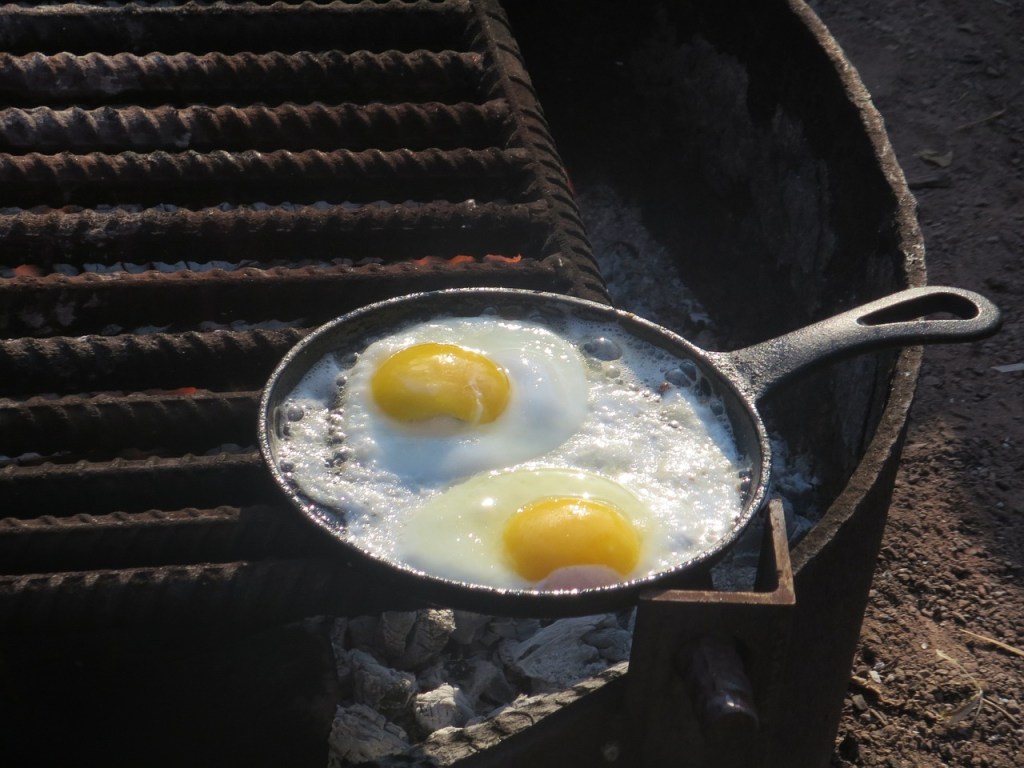
Easy Camping Meal Ideas
- Breakfast: Oatmeal with dried fruit and nuts, or scrambled eggs with pre-chopped veggies.
- Lunch: Sandwiches with cold cuts and cheese, or tortilla wraps with hummus and fresh veggies.
- Dinner: Chili cooked in a single pot, or grilled fish with foil-wrapped potatoes and corn.
- Snacks: Trail mix, granola bars, and fresh fruit.
With the right cooking gear and food storage solutions, you can enjoy delicious meals and make your camping trip more enjoyable. Happy camping!
Staying Hydrated
Staying hydrated is crucial for a successful camping trip. Clean drinking water is essential for your health and well-being, especially when you’re active outdoors. Here’s a guide to water storage options and purification methods to ensure you have safe drinking water during your camping adventures.
Importance of Clean Drinking Water
Having access to clean drinking water is vital to prevent dehydration, heatstroke, and other health issues. Contaminated water can lead to serious illnesses, so it’s important to ensure your water supply is safe.
Water Storage Options
- Hydration Packs: Hydration packs are convenient for hiking and activities where you need easy access to water. They typically include a water reservoir with a drinking tube.
- CamelBak Hydration Pack – Durable and easy to use, perfect for staying hydrated on the go.
- Water Bottles: Durable, reusable water bottles are a staple for any camping trip. Look for insulated bottles that keep your water cool.
- Nalgene Tritan Water Bottle – BPA-free, durable, and available in various sizes and colours.
- Jerry Cans: For longer trips or group camping, jerry cans are ideal for storing larger quantities of water.
- Scepter Military Water Can – Sturdy and large capacity, great for extended trips.
Water Purification Methods
- Filters: Water filters are effective for removing bacteria and protozoa. Portable filters are great for camping and backpacking.
- Sawyer Products Mini Water Filtration System – Lightweight and easy to use.
- Tablets: Water purification tablets are a lightweight, compact solution for purifying water. They’re ideal for emergency use.
- Potable Aqua Water Purification Tablets – Effective and easy to carry.
- UV Purifiers: UV purifiers use ultraviolet light to kill bacteria and viruses in water. They are quick and easy to use.
- SteriPEN Ultra UV Water Purifier – Portable and effective, perfect for camping.

Recommendations for Different Camping Situations
- Day Hikes: Use a hydration pack or water bottle.
- Weekend Camping: Carry a combination of water bottles and a small jerry can.
- Extended Trips: Use jerry cans for bulk storage and bring a portable filter or UV purifier for treating natural water sources.
By planning ahead and choosing the right water storage and purification methods, you can ensure you stay hydrated and healthy on your camping trips.
Clothing and Footwear
When camping, having the right clothing and footwear is essential for comfort and safety. Here’s a guide to the must-have clothing items and tips for choosing the best footwear for your trip.
Essential Clothing Items
- Moisture-Wicking Shirts: These are great for keeping you dry and comfortable, especially during physical activities like hiking. They draw sweat away from your skin and dry quickly.
- Under Armour Men’s Tech 2.0 Short-Sleeve T-Shirt – Lightweight and moisture-wicking, perfect for active days.
- Waterproof Jackets: A good waterproof jacket is crucial for protecting you from rain and wind. Look for jackets with breathable fabric to prevent overheating.
- Columbia Women’s Arcadia II Jacket – Waterproof and breathable, ideal for wet weather.
- Thermal Layers: For cooler temperatures, thermal layers provide essential warmth. Layering helps you adjust to changing weather conditions.
- Thermajohn Men’s Ultra Soft Thermal Underwear – Comfortable and warm, perfect for cold nights.
Importance of Proper Footwear
Choosing the right footwear is vital for a successful camping trip. The right shoes can prevent blisters, keep your feet dry, and provide the necessary support for various activities.
- Hiking Boots: For hiking, sturdy and supportive boots are a must. They offer ankle support and protect your feet from rough terrain.
- Salomon Men’s X Ultra 3 Mid GTX Hiking Boots – Durable and waterproof, great for hiking.
- Water Shoes: If you’ll be near water, water shoes are essential. They dry quickly and provide good grip on slippery surfaces.
- Aleader Women’s Quick Drying Aqua Water Shoes – Comfortable and quick-drying, ideal for water activities.
- Camp Shoes: Lightweight and easy to slip on, camp shoes are perfect for relaxing around the campsite.
- Crocs Classic Clog – Comfortable and easy to clean, perfect for the campsite.
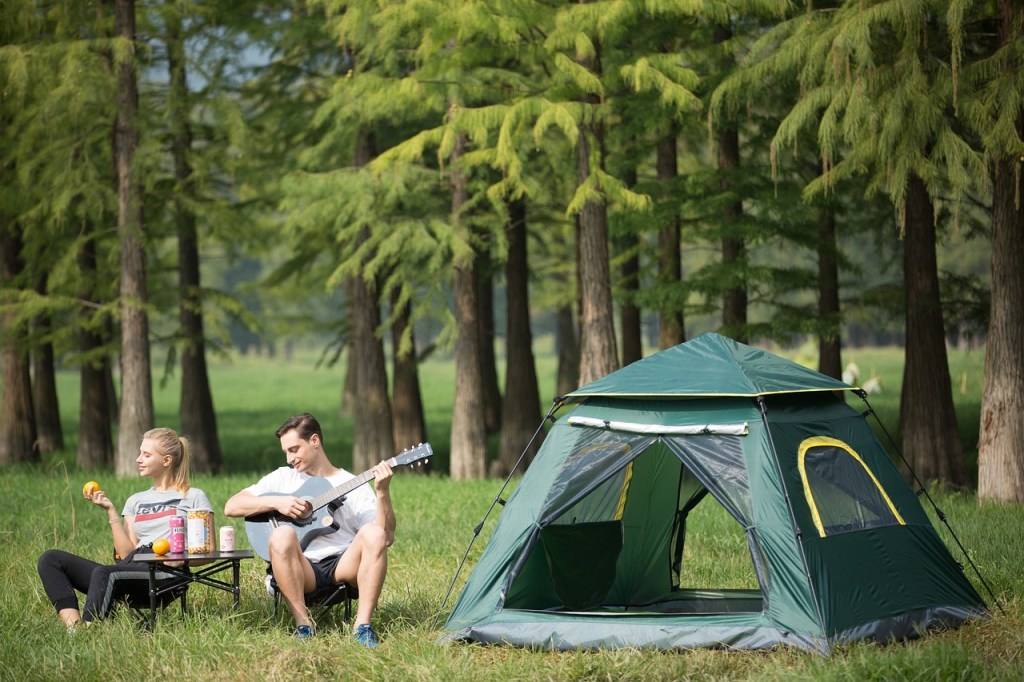
Tips for Packing Clothing Efficiently
- Layering: Pack clothes that can be layered for warmth and easily removed if it gets hot.
- Versatility: Choose items that can serve multiple purposes, such as a jacket that can be used for both rain and wind protection.
- Compression Bags: Use compression bags to save space and keep your clothes organized.
Recommendations for Different Weather Conditions
- Warm Weather: Focus on lightweight, breathable fabrics that wick moisture.
- Cold Weather: Pack thermal layers and a good insulating jacket.
- Wet Weather: Ensure you have waterproof clothing and extra dry clothes in case you get wet.
By packing the right clothing and footwear, you can ensure a comfortable and enjoyable camping experience, no matter the weather conditions.
Safety and Navigation
When camping, safety and navigation are crucial. Here’s a guide to essential safety gear and navigation tools to ensure a secure and enjoyable camping experience.
Essential Safety Gear
- First Aid Kit: A well-stocked first aid kit is a must-have for any camping trip. It should include bandages, antiseptic wipes, pain relievers, tweezers, and any personal medications. This kit can handle minor injuries and help in emergencies until professional help is available.
- Adventure Medical Kits Ultralight and Watertight .9 First Aid Kit – Compact and comprehensive, perfect for camping.
- Whistle: A whistle is a simple yet effective tool for signaling for help. It can be heard over long distances and is essential for personal safety, especially when hiking or exploring alone.
- Fox 40 Classic Whistle – Loud and durable, ideal for emergencies.
- Multi-Tool: A multi-tool is incredibly versatile, offering tools like pliers, knives, screwdrivers, and more. It’s handy for various tasks around the campsite and can be a lifesaver in emergency situations.
- Leatherman Wingman Multitool – Versatile and reliable, great for any camper.
Navigation Tools
- Maps: Even in the age of GPS, having a physical map of the area is essential. Maps don’t run out of battery or need a cell phone signal, and can be a reliable backup if technology fails.
- National Geographic Waterproof Trail Maps – Durable and detailed, perfect for outdoor adventures.
- Compass: A compass is a basic yet indispensable tool for navigation. It helps you find your bearings and navigate accurately.
- Suunto A-10 Field Compass – Easy to use and accurate, great for all skill levels.
- GPS Devices: Modern GPS devices are incredibly accurate and helpful for navigation, especially in remote areas. They can provide real-time location data and route planning.
- Garmin eTrex 10 GPS – Reliable and user-friendly, ideal for campers.

Tips for Staying Safe in the Wilderness
- Know Your Limits: Understand your physical capabilities and plan activities accordingly. Avoid pushing yourself too hard.
- Stay on Marked Trails: Venturing off marked trails increases the risk of getting lost or encountering dangerous terrain.
- Check Weather Conditions: Always check the weather forecast before your trip and be prepared for sudden changes in weather.
- Keep Food Secure: Store food in bear-proof containers or hang it high in a tree to avoid attracting wildlife.
Importance of Informing Someone About Your Camping Plans
Before heading out, inform a trusted person about your camping plans. Provide details such as your destination, route, and expected return time. This information can be crucial for rescuers in case of an emergency. Sharing your plans ensures that someone will know if you’re overdue and can alert authorities if needed.
By packing the right safety gear and navigation tools, you can ensure a secure and enjoyable camping trip. Stay prepared and informed to make the most of your outdoor adventures.
Lighting and Power
Having reliable lighting and power sources is essential for a successful camping trip. Here’s a guide to the essential gear and tips to keep your campsite illuminated and your devices charged.
Essential Lighting Gear
- Headlamps: Headlamps are a must-have for camping. They keep your hands free while providing bright, focused light. Ideal for setting up camp in the dark or night-time hiking.
- Black Diamond Spot 350 Headlamp – Durable and bright, perfect for all camping needs.
- Lanterns: Lanterns provide 360-degree illumination, making them perfect for lighting up your campsite or tent. They come in various sizes and power options.
- Coleman LED Lantern – Long-lasting and easy to use, great for general camp lighting.
- Flashlights: Flashlights are versatile and handy for quick lighting needs. They are useful for navigating the campsite or looking for items in the dark.
- ThruNight Rechargable Flashlight – Reliable and bright, ideal for any camper.
Power Solutions
- Portable Chargers: Keeping your devices charged is crucial, especially for safety and navigation tools. Portable chargers are compact and can power multiple devices.
- Anker PowerCore 10000 Portable Charger – Lightweight and powerful, suitable for all your charging needs.
- Solar Panels: Solar panels are a great eco-friendly option for longer trips. They can charge your devices directly from the sun.
- Goal Zero Nomad 7 Solar Panel – Efficient and portable, perfect for extended camping trips.
- Power Banks: High-capacity power banks can store a lot of energy and charge your devices multiple times.
- EF ECOFLOW Portable Power Station River 2 – High capacity and quick charging, ideal for keeping your gear powered.
Tips for Conserving Battery Life
- Use Power Saving Modes: Activate power-saving modes on your devices to extend battery life.
- Turn Off When Not in Use: Turn off lights and devices when they’re not needed to conserve energy.
- Charge During the Day: Use solar panels or power banks to charge devices during the day when you have access to sunlight.
Recommendations for Different Camping Needs
- Family Camping: Bring multiple lanterns to light up the entire campsite and extra power banks to keep everyone’s devices charged.
- Solo Camping: A headlamp and a portable charger are typically sufficient. Consider a small solar panel for longer trips.
- Backpacking: Opt for lightweight and compact options like headlamps and portable chargers. A small power bank should be enough for short trips.
By having the right lighting and power solutions, you can ensure a safe and enjoyable camping experience, no matter where you are.
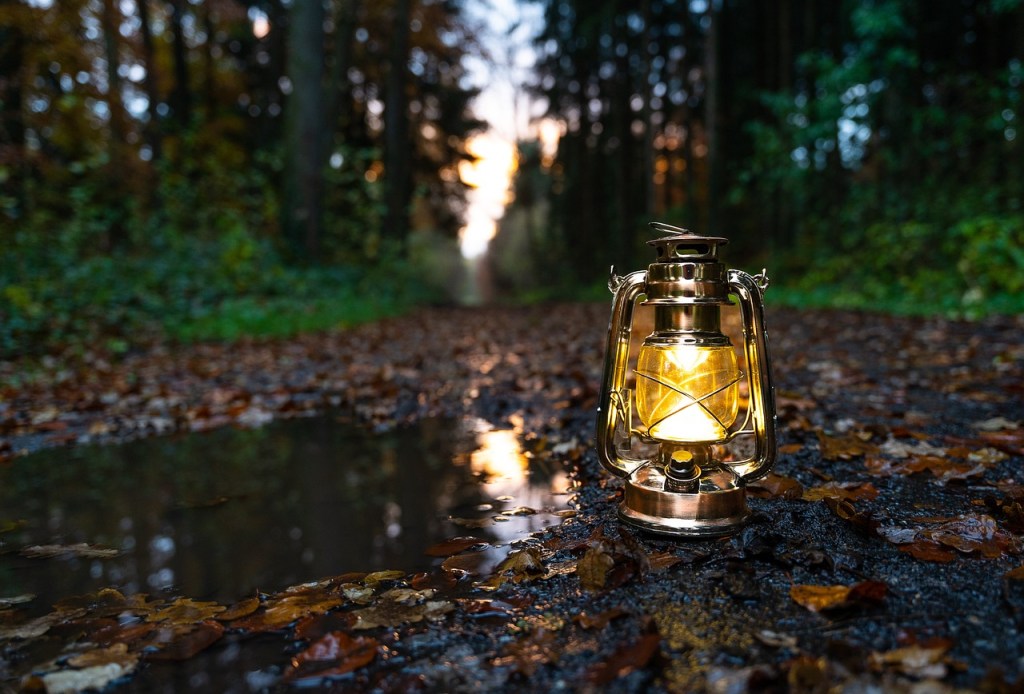
Comfort and Convenience: Camping Chairs and Other Camping Gear
When it comes to camping, comfort and convenience can make a big difference in your overall experience. Here are some essential items and tips to help you set up a comfortable and convenient campsite.
Essential Comfort Items
- Camping Chairs: A good camping chair can provide much-needed comfort after a day of activities. Look for chairs that are lightweight, foldable, and easy to carry.
- Coleman Camping Chair – Sturdy and comfortable, perfect for relaxing by the fire.
- Camping Tables: Portable tables are great for meals, games, and organizing your campsite. Choose one that is easy to set up and stable on various surfaces.
- Villey Folding Camping Table – Durable and compact, ideal for any campsite. The Woods and Coleman brands also have some nice options.
- Hammocks: Hammocks are perfect for lounging and napping in nature. They are easy to set up and provide a cozy place to relax.
- Wise Owl Outfitters Hammock – Comfortable and portable, great for relaxing anywhere.
Convenience Items
- Portable Shower: Staying clean in the wilderness can be a challenge if you’re not at a park with comfort stations, but a portable shower makes it easier. Look for models that are easy to fill and provide good water pressure.
- Ivation Portable Shower – Convenient and easy to use, perfect for a quick rinse.
- Privacy Tent: A privacy tent can serve as a changing room, shower area, or restroom. It’s a versatile addition to any campsite.
- WolfWise Pop-up Privacy Tent – Easy to set up and provides excellent privacy.
- Camping Toilet: A portable camping toilet adds convenience and comfort, especially when camping in remote areas without facilities.
- Camco Portable Travel Toilet – Practical and easy to clean, ideal for extended camping trips.
Tips for Setting Up a Comfortable Campsite
- Choose a Flat, Shaded Spot: When setting up your campsite, look for a flat area with some natural shade. This will make your tent more comfortable and help keep things cooler.
- Organize Your Gear: Keep your campsite organized by storing items in designated areas. Use storage bins or bags to keep things tidy.
- Set Up a Kitchen Area: Designate a specific area for cooking and eating. Set up your table and cooking gear here to make meal times more efficient and enjoyable.
Recommendations for Making Your Camping Experience Enjoyable
- Bring Extra Blankets: Even in summer, nights can get chilly. Extra blankets or a good sleeping bag will keep you warm and cozy.
- Pack Lightweight, Non-Bulky Items: Choose items that are lightweight and easy to pack. This will make your camping trip more manageable and enjoyable.
- Test Your Gear at Home: Before heading out, test your gear at home to ensure everything works properly and you know how to use it.
By incorporating these comfort and convenience items into your camping setup, you can enhance your camping experience and make it more enjoyable for everyone. Whether you’re lounging in a hammock, enjoying a meal at your camping table, or taking a refreshing shower, these essentials will help you create a comfortable and inviting campsite.
Gear Maintenance and Storage
Proper maintenance and storage of your camping gear are crucial for ensuring its longevity and performance. Here are some practical tips to keep your equipment in great shape.
Tips for Maintaining Your Camping Gear
- Clean Your Gear After Each Trip: Dirt, moisture, and debris can damage your equipment over time. After each camping trip, clean all items thoroughly. Wipe down tents, sleeping bags, and cooking gear to remove any grime.
- Dry Everything Completely: Moisture is your gear’s worst enemy. Make sure all your equipment, especially tents and sleeping bags, is completely dry before storing. This prevents mold and mildew from forming.
- Inspect for Damage: Check your gear for any signs of wear and tear. Look for holes, tears, or broken parts that need repair. Addressing these issues promptly can prevent further damage.
Proper Storage Solutions to Extend Gear Lifespan
- Store in a Cool, Dry Place: Keep your camping gear in a cool, dry environment. Avoid basements or garages if they are prone to dampness. A closet or a dedicated storage area inside your home is ideal.
- Use Proper Containers: Store small items like cooking utensils and repair kits in labeled plastic bins. Keep sleeping bags and tents in breathable cotton bags instead of tight stuff sacks to allow air circulation.
- Elevate and Protect: If possible, elevate your gear off the floor to protect it from potential water damage. Shelves or hanging systems work well for this purpose.
Cleaning and Repairing Common Camping Items
- Tents: Clean your tent with mild soap and water. For small tears, use a tent repair kit. Larger damages may require professional repair.
- Sleeping Bags: Follow the manufacturer’s instructions for cleaning. Many sleeping bags can be machine washed on a gentle cycle and air-dried.
- Cooking Gear: Wash all cookware with hot, soapy water. Check for any dents or damage and replace items if necessary.
Importance of Regular Gear Checks Before Trips
Before heading out on a camping trip, conduct a thorough check of all your gear. Ensure that tents are intact, sleeping bags are clean and dry, and all cooking equipment is functional. Regular checks help you avoid surprises and ensure a smooth and enjoyable camping experience.
By following these maintenance and storage tips, you can extend the life of your camping gear and be ready for many successful adventures in the great outdoors.
Gear Checklist
When preparing for a camping trip, having a comprehensive gear checklist is essential to ensure you have everything you need for a successful adventure. Here’s a basic checklist to get you started:
Comprehensive Checklist of Essential Camping Gear
- Shelter and Sleeping Gear
- Tent (with stakes and guylines)
- Sleeping bags
- Sleeping pads or air mattresses
- Camping pillows
- Cooking and Food Storage
- Camping stove or portable grill
- Fuel for stove
- Cookware set (pots, pans, utensils)
- Plates, bowls, and cutlery
- Coolers and food containers
- Bear-proof canisters (if needed)
- Clothing and Footwear
- Moisture-wicking shirts
- Waterproof jackets
- Thermal layers
- Hiking boots
- Water shoes
- Camp shoes
- Hydration and Water
- Water bottles or hydration packs
- Water filters or purification tablets
- Jerry cans for water storage
- Lighting and Power
- Headlamps
- Lanterns
- Flashlights
- Extra batteries or power banks
- Safety and Navigation
- First aid kit
- Whistle
- Multi-tool
- Maps, compass, and GPS device
- Comfort and Convenience
- Camping chairs
- Tables
- Hammocks
- Portable shower
- Privacy tent
- Camping toilet
- Miscellaneous Items
- Sunscreen
- Insect repellent
- Fire starters or waterproof matches
- Trash bags
Tips for Customizing the Checklist Based on Your Camping Trip
- Consider the Duration: Adjust quantities and types of gear based on how long you’ll be camping.
- Think About the Weather: Pack additional layers or waterproof gear if the forecast predicts rain or cold temperatures.
- Know Your Campsite: Some sites offer amenities like picnic tables and fire pits, which can influence what you need to bring.
Importance of Checking the List Before Packing
Before you start packing, go through your checklist and ensure each item is accounted for. This reduces the risk of forgetting important gear and ensures you’re well-prepared for any situation.
Resources for Downloadable and Printable Checklists
There are many resources online where you can find downloadable and printable checklists tailored to different types of camping trips. Websites like REI and KOA offer customizable options to suit your needs. Using these resources can help streamline your packing process and make your camping experience more enjoyable.
By following this comprehensive gear checklist and customizing it to fit your specific needs, you can ensure a smooth and enjoyable camping trip. Happy camping!
Camping Essentials for a Successful Camping Trip
Having the right gear is crucial for a successful camping trip. It ensures your safety, comfort, and overall enjoyment, allowing you to focus on the beauty of nature and the fun of camping. From selecting the perfect tent and sleeping bag to packing the right cooking equipment and clothing, each piece of gear plays a vital role in your outdoor adventure.
We hope the tips and recommendations provided in this guide help you prepare for your next camping trip. Remember, a well-planned and equipped camping experience can make all the difference between a good trip and a great one.
We’d love to hear from you! Share your personal camping gear tips and experiences in the comments below. Your insights can help fellow campers enhance their trips and discover new gear. Happy camping!


 Canadian Camping Life
Leave a reply to Exploring Canada’s National Parks: A Camper’s Guide – Canadian Camping Life Cancel reply