Camping as a family is a wonderful way to create lasting memories and strengthen bonds. The joy of spending time in nature, away from the distractions of daily life, allows families to connect in meaningful ways. Whether it’s roasting marshmallows over a campfire, exploring trails, or simply enjoying the serenity of the outdoors, camping offers unique experiences that kids and parents alike will cherish.
Successful family camping trips require thoughtful planning and preparation. This is especially true when camping with kids, as their needs and interests must be considered to ensure a smooth and enjoyable adventure. From choosing the right campsite to packing essential gear, each step plays a crucial role in creating a positive camping experience.
In this blog post, we’ll share some valuable Canadian family camping tips for camping with kids. We’ll cover everything from selecting family-friendly campgrounds and packing the right gear to planning activities that will keep the little ones entertained. Our goal is to provide you with practical advice that makes your family camping trips fun, safe, and stress-free. So, let’s dive into these tips and get ready for a fantastic outdoor adventure with your family!

Choosing the Right Campsite
When selecting a family-friendly campsite, consider factors like location, amenities, and safety. Look for campsites that offer easy access to restrooms, showers, and potable water. Having these facilities nearby can make your camping experience more comfortable and convenient, especially with kids. Additionally, choosing a site with shaded areas can provide relief from the sun and make your stay more pleasant.
Proximity to activities and attractions is also important. Opt for campgrounds with hiking trails, swimming areas, or playgrounds to keep the kids entertained. Campgrounds in national or provincial parks often offer educational programs and guided tours, adding an extra layer of fun and learning for children.
Safety is paramount. Ensure the campsite is well-maintained, free from hazardous terrain, and has clear emergency procedures. Some recommended family campgrounds in Canada include Jasper National Park in Alberta, Algonquin Provincial Park in Ontario, and Fundy National Park in New Brunswick. These sites are known for their family-friendly amenities, beautiful scenery, and various activities.
Selecting the right campsite sets the foundation for a successful camping trip. By considering factors like amenities, proximity to activities, and safety, you can ensure a memorable and enjoyable experience for the whole family.
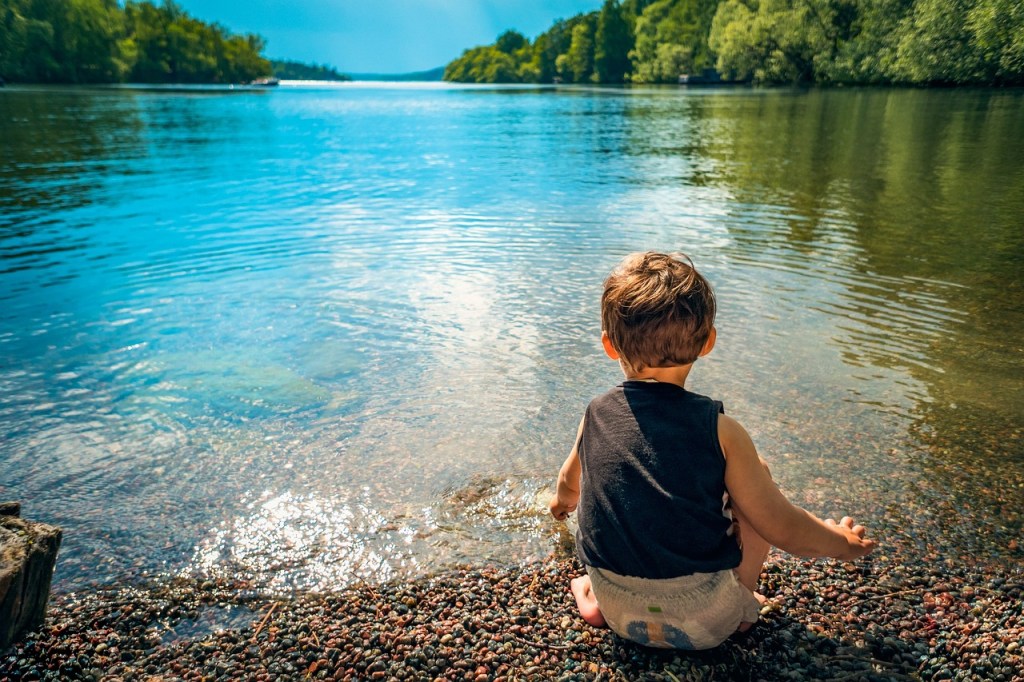
Essential Camping Gear for Families
When planning a camping trip with your family, having the right gear is crucial for comfort and convenience. Here’s an overview of essential camping gear that will make your adventure enjoyable and stress-free.
Family-Sized Tents and Sleeping Arrangements
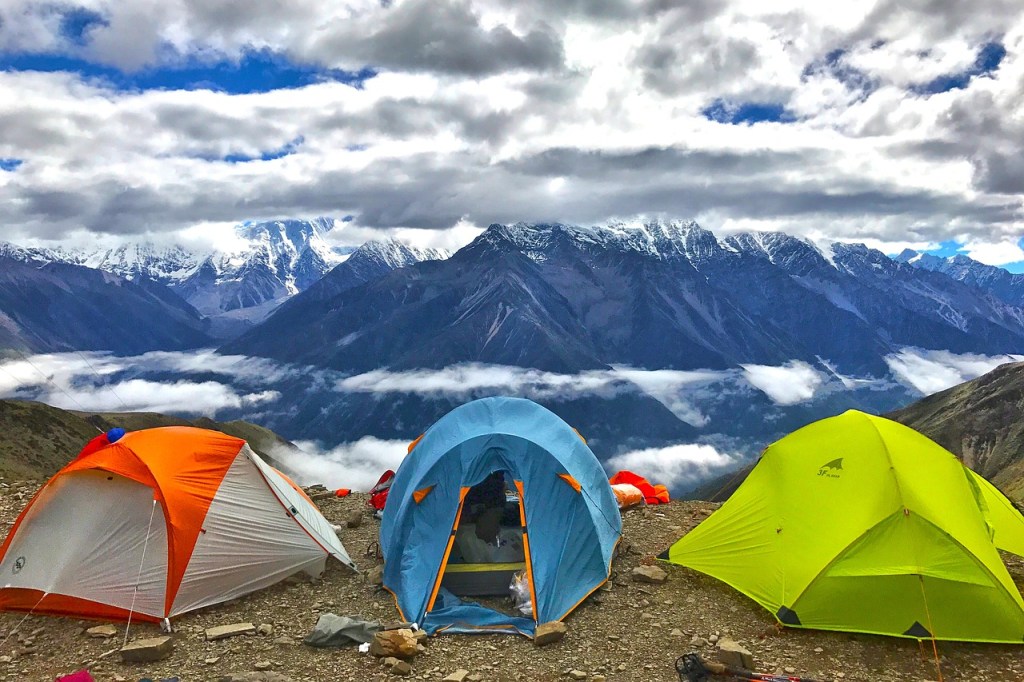
A spacious, family-sized tent is a must-have. Look for tents that provide enough room for everyone to sleep comfortably and store their belongings. Cabin-style tents are a popular choice as they offer more headroom and often come with room dividers for added privacy. For example, the Coleman Weathermaster Tent is known for its durability and ample space.
When it comes to sleeping arrangements, consider using sleeping bags that are suitable for the weather conditions you’ll encounter. Mummy sleeping bags are ideal for colder climates, while rectangular sleeping bags offer more room to move in milder temperatures. Additionally, sleeping pads or air mattresses can provide extra comfort and insulation from the ground.
Recommended Camping Gear Brands
Choosing reliable brands can ensure you have high-quality gear that lasts. Some recommended brands for family camping gear include:
- Coleman: Known for their durable tents, stoves, and coolers.
- REI Co-op: Offers a wide range of outdoor equipment, including family-friendly tents and sleeping bags.
- Kelty: Provides comfortable sleeping bags and sturdy tents suitable for family camping.
Investing in quality gear from these trusted brands can enhance your camping experience, making it more comfortable and enjoyable for the entire family. With the right equipment, you’ll be well-prepared to create lasting memories on your camping adventures.
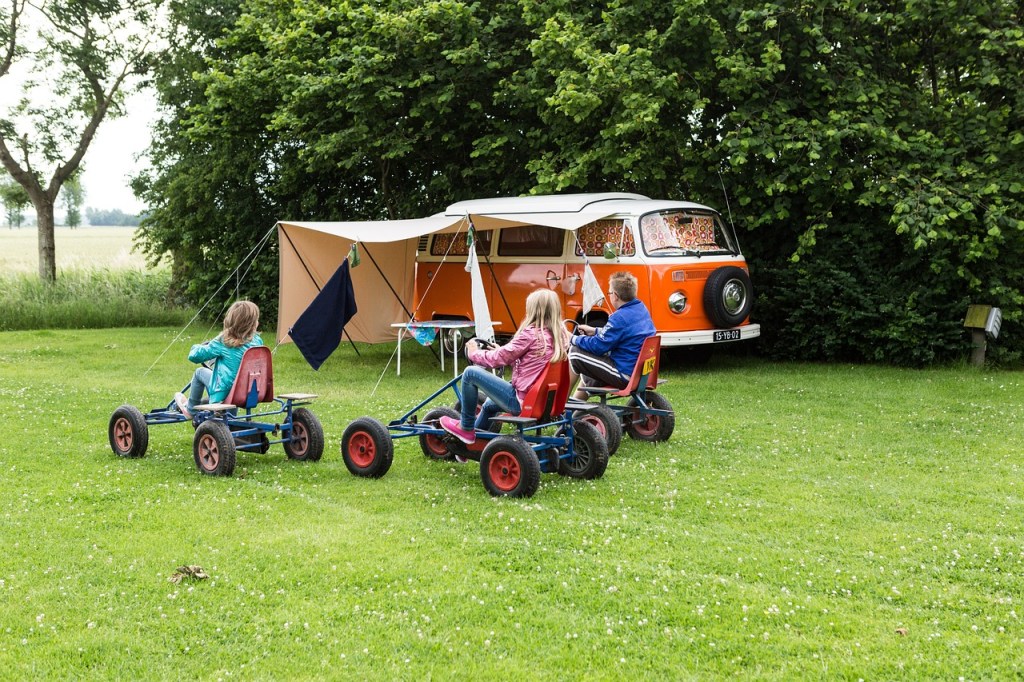
Packing for the Trip
Packing for a family camping trip can be a daunting task, but with a little planning and organization, it can be a breeze. Here are some tips to help you create a family camping checklist and pack efficiently.
Creating a Family Camping Checklist
Start by making a detailed checklist of all the items you’ll need for your trip. Include categories such as shelter, cooking, clothing, and safety. This will help ensure you don’t forget anything important. Your checklist should include items like:
- Tent and stakes
- Sleeping bags and pads
- Camping stove and cookware
- Food and snacks
- Clothing suitable for the weather
- First aid kit
- Flashlights and extra batteries
Tips for Packing Efficiently
- Use Clear Storage Bins: Pack items in clear storage bins so you can easily see what’s inside. This helps keep everything organized and accessible.
- Pack by Category: Group similar items together, such as all cooking gear in one bin and all sleeping gear in another. This makes it easier to find what you need quickly.
- Pack Light: Bring only what you need to avoid overpacking. Remember that you can often buy supplies at nearby stores if you run out of something.
- Check the Weather: Review the weather forecast and pack accordingly. Include rain gear and extra layers if necessary.
Important Items Not to Forget
- Medications: Ensure you bring any necessary medications for family members.
- Entertainment: Pack games, books, or toys to keep kids entertained.
- Chargers: Don’t forget chargers for your phone and other devices.
- Toiletries: Bring essentials like toothbrushes, toothpaste, and soap.
By following these tips and using a comprehensive checklist, you can pack efficiently and ensure you have everything you need for a successful family camping trip.
Planning Activities for Kids
Planning activities for kids is an essential part of making a family camping trip enjoyable and memorable. Here are some fun and educational activities that will keep your children entertained and engaged.
Fun and Educational Activities for Kids
Nature offers endless opportunities for kids to learn and have fun. Encourage your children to explore and appreciate the outdoors with these activities:
- Nature Walks: Take a walk through the forest or along a trail. Teach your kids about different plants, trees, and wildlife. Bring a guidebook to help identify various species.
- Scavenger Hunts: Create a list of items for your kids to find around the campsite, such as pinecones, specific leaves, or animal tracks. This activity helps develop observation skills and keeps them engaged.
- Games: Traditional camping games like tag, hide and seek, or flashlight tag are always a hit. They provide physical activity and help children bond with each other. There are quite a few games on Amazon to help inspire you and your kids to play together!
Encouraging Kids to Explore and Learn
Camping is a fantastic opportunity to foster a love for nature and learning in your children. Encourage them to:
- Collect and Categorize: Give your kids a notebook and let them collect and categorize items they find, such as rocks, leaves, or insects. This activity combines fun with education.
- Create Art: Use natural materials like sticks, leaves, and stones to create artwork. This can be a calming activity that also nurtures creativity.
- Storytelling: Gather around the campfire and encourage your kids to tell stories or read books about nature and camping adventures. Some of our favourites are:

Good Night Campsite – available on Amazon.ca
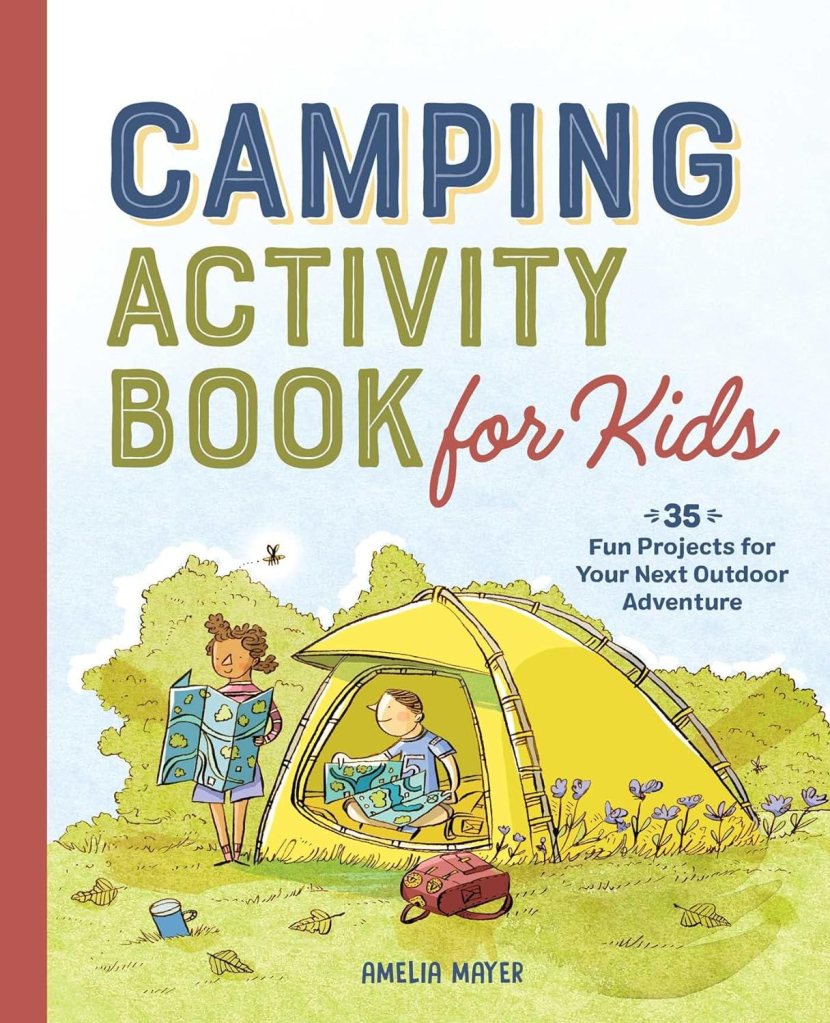
Camping Activity Book for Kids – available on Amazon.ca
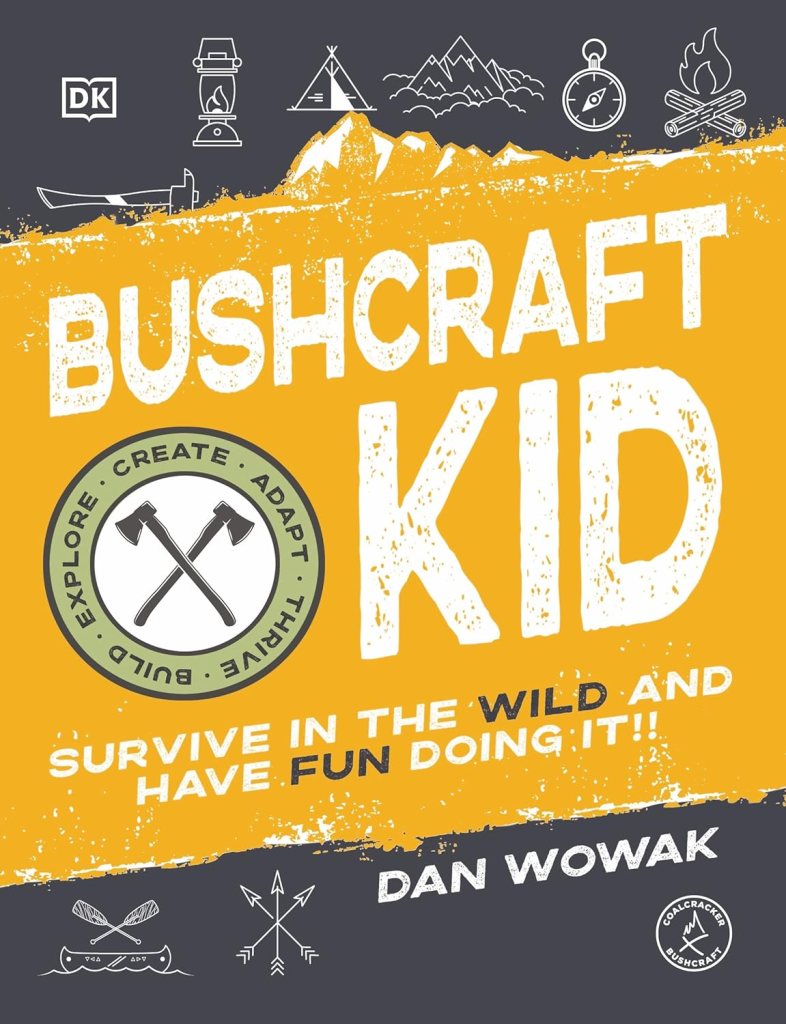
Bushcraft Kid Survival Book – available on Amazon.ca
By incorporating these activities into your camping trip, you can ensure that your kids have a fun, educational, and memorable experience. Encouraging exploration and learning will make your family camping trips even more enjoyable.
Meal Planning and Preparation
Easy and Kid-Friendly Camping Meals
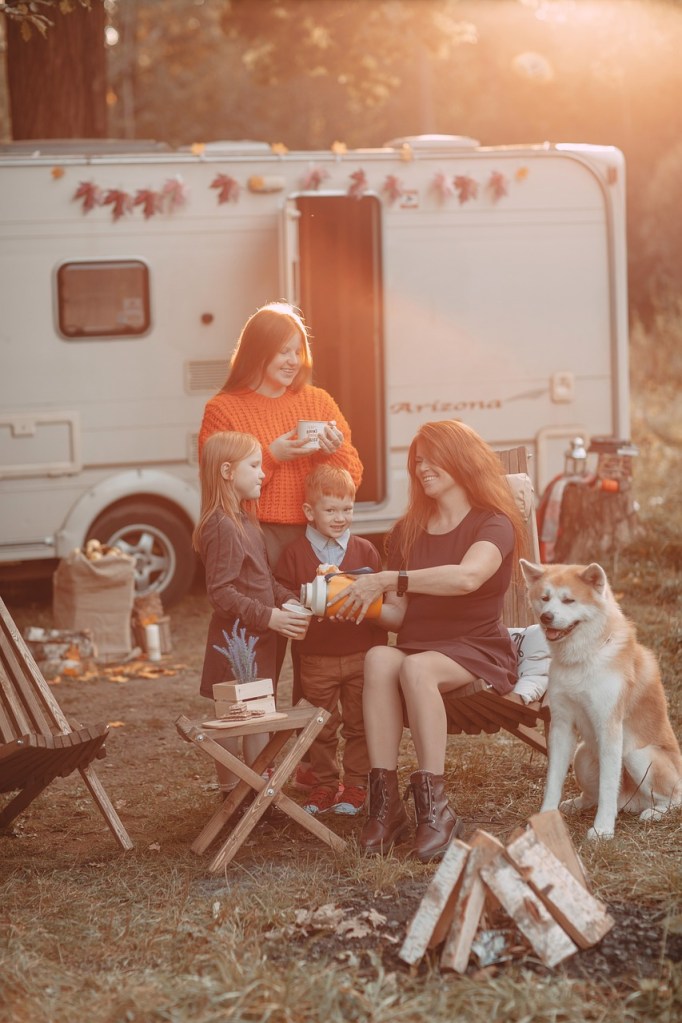
Camping with kids requires meal planning that is both simple and appealing to young appetites. Here are some easy and kid-friendly camping meals:
- Breakfast Burritos: Pre-cook scrambled eggs and sausage at home. Wrap them in tortillas with cheese, and simply warm them up at the campsite.
- Grilled Cheese Sandwiches: These are quick and easy to make over a campfire or portable grill. Add a slice of ham for extra protein.
- Hot Dogs and Veggies: Classic hot dogs are always a hit with kids. Pair them with grilled vegetables like bell peppers and corn on the cob for a balanced meal.
- S’mores: No camping trip is complete without s’mores. Roast marshmallows over the fire and sandwich them between graham crackers with a piece of chocolate.

Tips for Meal Prep and Cooking at the Campsite
Preparing meals while camping can be straightforward with a bit of planning. Here are some tips to make meal prep easier:
- Prep at Home: Chop vegetables, marinate meats, and measure out ingredients before leaving home. Store them in labeled zip-lock bags or containers.
- Use One-Pot Recipes: Simplify cooking and cleanup by sticking to one-pot recipes. Meals like chili, pasta, and stews are perfect for camping.
- Bring the Right Tools: Make sure you have the necessary cooking equipment, such as a portable stove, pots and pans, and utensils. Don’t forget matches or a lighter.
Keeping Food Safe and Fresh
Maintaining food safety is crucial when camping. Follow these tips to keep your food fresh and safe to eat:
- Use Coolers: Pack a high-quality cooler with plenty of ice to keep perishables like meat and dairy products cold. Consider using separate coolers for food and drinks to reduce the frequency of opening.
- Store Food Properly: Use airtight containers to store food and prevent contamination. Keep raw and cooked foods separate.
- Follow Food Safety Guidelines: Always cook food to the appropriate temperatures and avoid cross-contamination. Keep a food thermometer handy if needed.
By planning easy meals, prepping in advance, and following food safety tips, you can ensure a smooth and enjoyable camping experience for the whole family, even teens!
Safety Tips for Camping with Kids
Ensuring the Safety of Children at the Campsite
When camping with kids, safety is a top priority. Always supervise young children, especially near water or campfires. Establish clear boundaries and rules to keep kids within safe areas of the campsite. Make sure they know not to wander off alone.
First Aid Basics and Emergency Preparedness
Being prepared for emergencies is crucial. Pack a well-stocked first aid kit that includes bandages, antiseptic wipes, tweezers, and any necessary medications. Familiarize yourself with basic first aid procedures, such as treating cuts, burns, and insect bites. It’s also a good idea to have a plan for reaching the nearest medical facility in case of a serious emergency.
Educating Kids About Wildlife and Plant Safety
Teach children about the potential dangers they may encounter in the wilderness. Explain which plants to avoid, like poison ivy and mushrooms, and what to do if they see wildlife. Encourage them to observe animals from a distance and never to feed or approach them.
Additionally, equip kids with a whistle and teach them how to use it if they get lost. Establish a meeting point where everyone can regroup if someone gets separated from the group.
By focusing on these safety tips, you can ensure that your family camping trip is both fun and safe. Proper supervision, first aid knowledge, and education about the natural environment are key to a worry-free camping experience.
Setting Up the Campsite
Involving Kids in Setting Up the Campsite
Setting up the campsite can be a fun and educational experience for kids. Involving them in the process not only teaches valuable skills but also keeps them engaged and excited about the camping trip. Give children age-appropriate tasks such as gathering small sticks for the fire, helping to unpack gear, or holding tent poles. This inclusion makes them feel responsible and part of the team.
Tips for a Smooth and Efficient Setup
Start by arriving at your campsite early to give yourself plenty of daylight. Choose a flat, shaded area to set up your tent. Lay out all your gear before starting to ensure you have everything you need. Set up the tent first, as it is the most critical part of your shelter. Follow the instructions carefully and involve the kids in simpler tasks like hammering in tent stakes or unrolling sleeping bags.
Having a designated area for each part of your campsite, such as a cooking area, sleeping area, and play area, helps keep things organized. Use a checklist to make sure you haven’t forgotten any important steps or items.
Creating a Comfortable and Organized Campsite
Once your tent is set up, arrange your campsite for maximum comfort and convenience. Set up your cooking area away from the tent to avoid attracting animals. Place camping chairs and a table near the tent entrance for easy access. Use storage bins or bags to keep your gear organized and off the ground.
Make sure there is a designated area for waste disposal to keep the campsite clean. Keeping everything organized will make your camping experience more enjoyable and stress-free for the whole family.

Nighttime Routines and Sleep Tips
Establishing a Bedtime Routine
Creating a familiar bedtime routine is essential for ensuring kids settle down and sleep well while camping. Stick to the same pre-bedtime activities you do at home, such as brushing teeth, reading a story, or singing a lullaby. This consistency helps kids feel secure and signals that it’s time to sleep, even in a new environment.
Ensuring Kids Stay Warm and Comfortable at Night
Keeping kids warm and comfortable at night is crucial for a good night’s sleep. Dress them in layers, starting with moisture-wicking pajamas and adding thermal layers if needed. Use quality sleeping bags rated for the expected temperature, and consider adding a sleeping pad or inflatable mattress for extra insulation from the cold ground. Bringing extra blankets can also help keep everyone cozy.
Using Nightlights and Familiar Bedtime Items
Bringing familiar bedtime items from home can comfort kids and help them sleep better. Pack their favorite stuffed animals, blankets, or pillows. Using a nightlight in the tent can help ease any fears of the dark and make nighttime trips outside less daunting. Battery-operated lanterns or headlamps with a soft light setting work well for this purpose.
By establishing a bedtime routine, ensuring warmth and comfort, and using familiar bedtime items, you can help your kids feel at home in the tent and enjoy a restful night’s sleep while camping.

Keeping Kids Entertained
Games and Activities to Keep Kids Busy
Keeping kids entertained while camping is key to a successful trip. Classic outdoor games like tag, hide and seek, and frisbee can keep children active and engaged. For some quiet time, bring along a deck of cards or simple board games that are easy to transport and set up. Consider organizing a scavenger hunt to explore the natural surroundings and spark their curiosity.
Craft Ideas and DIY Projects
Camping offers a wonderful opportunity for kids to get creative with nature-inspired crafts. Collect leaves, rocks, and sticks to make nature art or paint rocks with fun designs. Another idea is to create a nature journal where kids can draw what they see and write about their experiences. DIY projects, like building small forts with branches and leaves or making friendship bracelets, can also provide hours of fun.
Screen-Free Entertainment Options
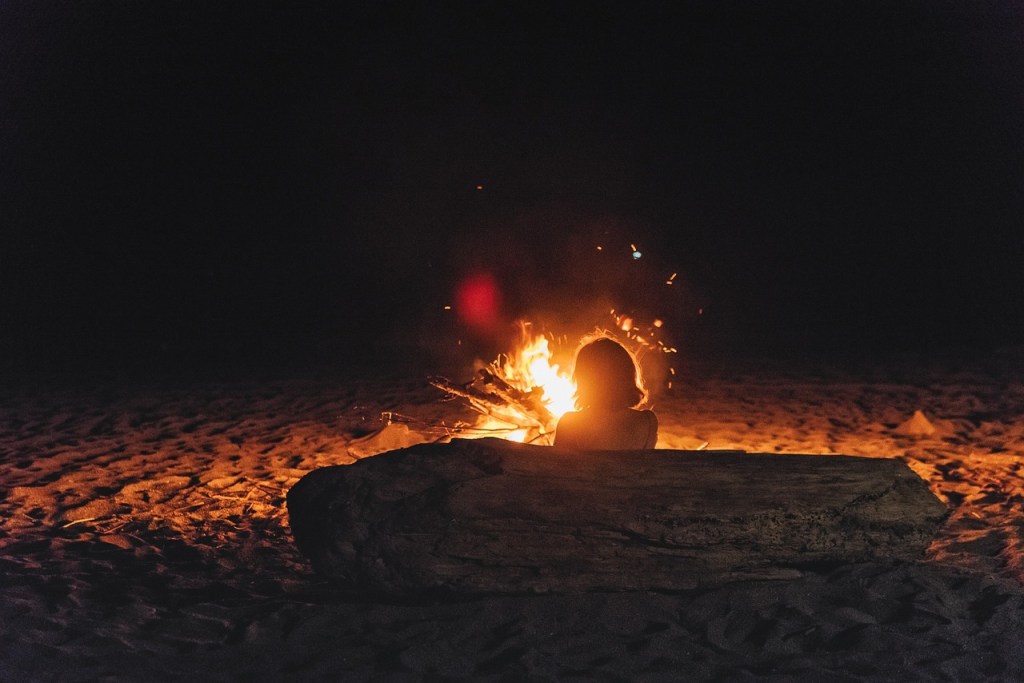
Encouraging screen-free entertainment helps kids connect more with the outdoors. Storytelling around the campfire is a great way to bond and use imagination. Bring along some binoculars for bird watching or a simple guidebook to identify plants and animals. Star gazing at night can also be a magical experience; bring a star chart to help identify constellations.
By planning a variety of games, crafts, and nature activities, you can keep kids entertained and engaged throughout your camping trip. These activities not only provide fun but also create lasting memories and foster a deeper appreciation for the outdoors.

Teaching Kids Camping Skills
Basic Camping Skills for Kids to Learn
Teaching kids basic camping skills is a great way to foster their love for the outdoors. Start with simple tasks like setting up a tent, gathering firewood, and tying basic knots. These skills not only help during the camping trip but also build confidence and a sense of accomplishment.
Encouraging Responsibility and Independence
Camping provides an excellent opportunity for kids to take on responsibilities. Give them age-appropriate tasks such as helping with meal preparation, packing their own gear, or keeping the campsite tidy. Encouraging responsibility helps children develop independence and understand the importance of teamwork and cooperation in a family camping setting.
Fun Ways to Teach Camping Skills
Make learning camping skills fun and engaging by turning tasks into games or challenges. For example, create a scavenger hunt that includes finding items needed for the campfire or setting up a tent. Use storytelling to explain safety rules and survival tips, making the lessons memorable and enjoyable. Hands-on activities like building a small campfire (under adult supervision) or using a compass to find directions can be both educational and entertaining.
By teaching kids essential camping skills in a fun and supportive environment, you help them become more confident and capable campers. These skills not only enhance their camping experience but also instill a lifelong appreciation for nature and the great outdoors.
Dealing with Bad Weather
Preparing for Rain and Cold Weather
Bad weather can sometimes catch you by surprise during a camping trip. It’s essential to be prepared for rain and cold weather to keep everyone comfortable and safe. Pack waterproof clothing, extra layers, and a good quality tent with a rainfly. Bringing tarps can also help create dry areas outside your tent for cooking or sitting.
Indoor Activities and Games for Rainy Days
Rainy days can be challenging, especially with kids who need to stay entertained. Prepare by bringing indoor activities and games. Card games, board games, and books are great for keeping kids occupied. Portable art supplies like coloring books, crayons, and craft kits can also be fun and creative ways to pass the time inside the tent or under a shelter.
Keeping Morale High During Bad Weather
Maintaining a positive attitude is crucial when dealing with bad weather. Encourage kids to see it as part of the adventure. Plan some fun indoor activities and perhaps tell stories or sing songs together. Warm drinks like hot chocolate and comfort foods can help lift spirits. Staying flexible and keeping a sense of humor can make all the difference in keeping morale high during less-than-ideal weather conditions.
By preparing well and having a variety of activities on hand, you can ensure that bad weather doesn’t dampen the fun of your family camping trip.
Maintaining Hygiene and Cleanliness
Tips for Staying Clean and Hygienic at the Campsite
Keeping clean at a campsite can be challenging but is essential for health and comfort. Pack biodegradable soap for washing hands, dishes, and bodies. Bring hand sanitizer for quick cleanups and baby wipes for an easy way to wipe down surfaces and little hands. Set up a handwashing station using a water container with a spigot, a small basin, and a towel.
Kid-Friendly Hygiene Practices
Teach kids to maintain good hygiene with simple practices. Encourage them to wash their hands before meals and after using the bathroom. Make it fun by singing a handwashing song or using colorful soap. Show them how to brush their teeth using a water bottle to rinse. Ensure they have easy access to hygiene supplies by keeping them in a designated spot.
Dealing with Limited Facilities
When camping at sites with limited facilities, plan ahead. Portable toilets or potty chairs can be very useful. Dispose of waste properly by using biodegradable bags and following campsite rules. For showering, solar showers or a simple washcloth bath can help you stay clean. Dry shampoo and leave-in conditioner are great for maintaining hair hygiene when showers aren’t available.
By staying organized and keeping hygiene practices simple, you can ensure that everyone in the family stays clean and healthy, making your camping trip more enjoyable.
Leaving No Trace
Teaching Kids About Environmental Responsibility
Teaching kids about environmental responsibility is an important part of camping. Explain to them why it’s essential to protect nature and how their actions can impact the environment. Make it fun by turning it into a game or a story about being nature’s heroes.
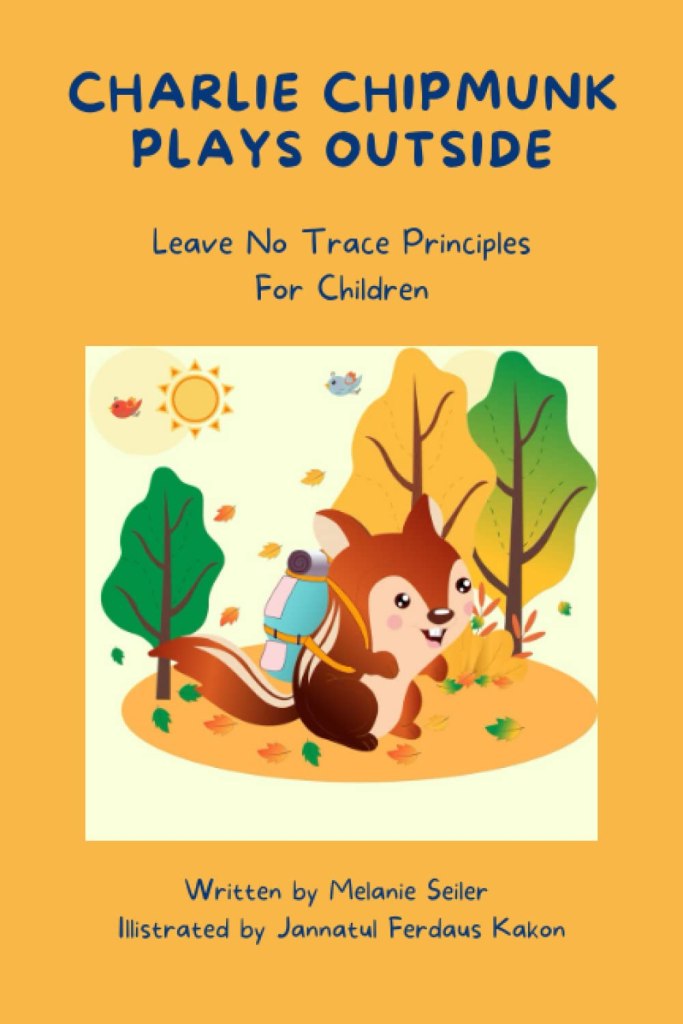
Leave No Trace Principles Book – available on Amazon.ca
Practicing Leave No Trace Principles
Practicing Leave No Trace principles helps ensure that natural spaces remain beautiful and unspoiled for future campers. Teach kids the seven principles: plan ahead, travel and camp on durable surfaces, dispose of waste properly, leave what you find, minimize campfire impact, respect wildlife, and be considerate of other visitors. Show them how to pick up trash, even if it’s not theirs, and how to use designated paths and campsites.
Encouraging Respect for Nature
Encouraging respect for nature starts with small actions. Remind kids to stay on trails, not to pick plants or disturb animals, and to leave rocks and sticks where they find them. Use positive reinforcement and praise when they follow these guidelines. Explain the reasons behind these actions to help them understand the bigger picture. By fostering a love and respect for nature, you’re helping to raise the next generation of responsible campers who will care for our natural spaces.
Implementing these practices ensures a more enjoyable and sustainable camping experience for everyone.
Tips for Long Camping Trips
Planning and Pacing for Extended Trips
When planning a long camping trip, it’s important to pace yourself and your family to avoid burnout. Start by creating a detailed itinerary that includes travel time, setup, and relaxation. Make sure to allow for flexibility so you can adjust plans as needed. Pack enough supplies, including food, water, and camping gear, to last the duration of your trip. It’s also wise to plan for rest days where you stay at the campsite and enjoy the surroundings without major activities.
Keeping Kids Engaged Over Longer Periods
Keeping kids entertained on long camping trips can be challenging, but with a little creativity, it can be fun. Bring along a variety of games, books, and outdoor toys to keep them occupied. Plan activities like nature scavenger hunts, storytelling sessions around the campfire, and craft projects using natural materials. Involve them in daily tasks like setting up the tent, gathering firewood, and cooking, which can be both educational and engaging. Many parks have websites complete with calendars of events for families, such as nature walks, fireworks, craft nights, and learning opportunities with wildlife.
Balancing Adventure and Downtime
Balancing adventure and downtime is key to a successful long camping trip. Plan exciting activities like hiking, swimming, and exploring local attractions, but also ensure there is ample time for relaxation. Set up a comfortable campsite with cozy seating and shady spots for reading or napping. Encourage kids to take breaks and enjoy quiet moments in nature. This balance helps maintain energy levels and keeps everyone in good spirits throughout the trip.
By planning thoughtfully, keeping kids engaged, and balancing activities with rest, your family can enjoy a memorable and enjoyable long camping trip.
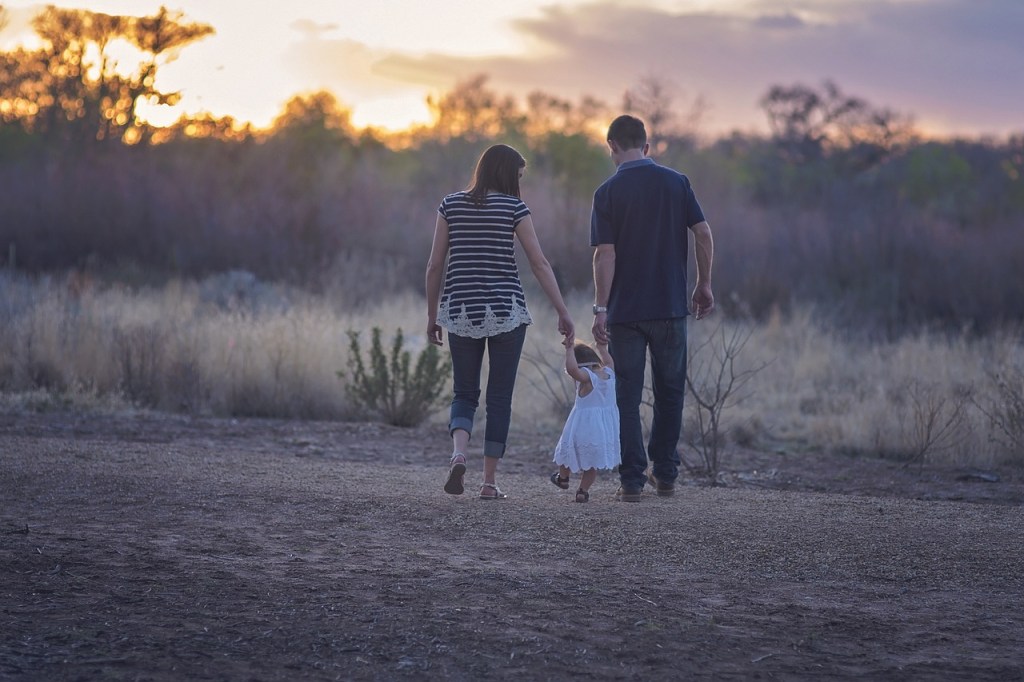
Creating Lasting Memories
Importance of Family Bonding During Camping Trips
Camping trips are a wonderful opportunity for families to bond and create lasting memories. Away from the distractions of daily life, you can enjoy quality time together, strengthening your relationships. Whether it’s setting up the tent, cooking meals, or exploring nature, these shared experiences foster a sense of unity and togetherness.
Capturing Memories Through Photos and Journals
To keep these memories alive, make a habit of capturing moments through photos and journals. Encourage your kids to take pictures of their favorite spots or activities. Creating a camping journal where everyone can jot down their thoughts and experiences can be a fun way to preserve memories. These photos and entries will become cherished keepsakes that you can look back on and reminisce about for years to come.
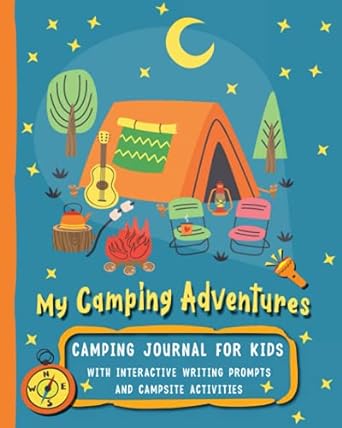
Camping Journal for Kids – available on Amazon.ca
Reflecting On and Sharing Experiences
After the trip, take time to reflect on and share your experiences. Gather as a family to discuss what each person enjoyed the most and any funny or memorable moments. Sharing stories and looking through photos together helps reinforce the positive memories and experiences you had during the trip. It also builds anticipation and excitement for future camping adventures.
By focusing on family bonding, capturing moments, and reflecting on your experiences, you can create lasting memories that will be treasured by your family for years to come.
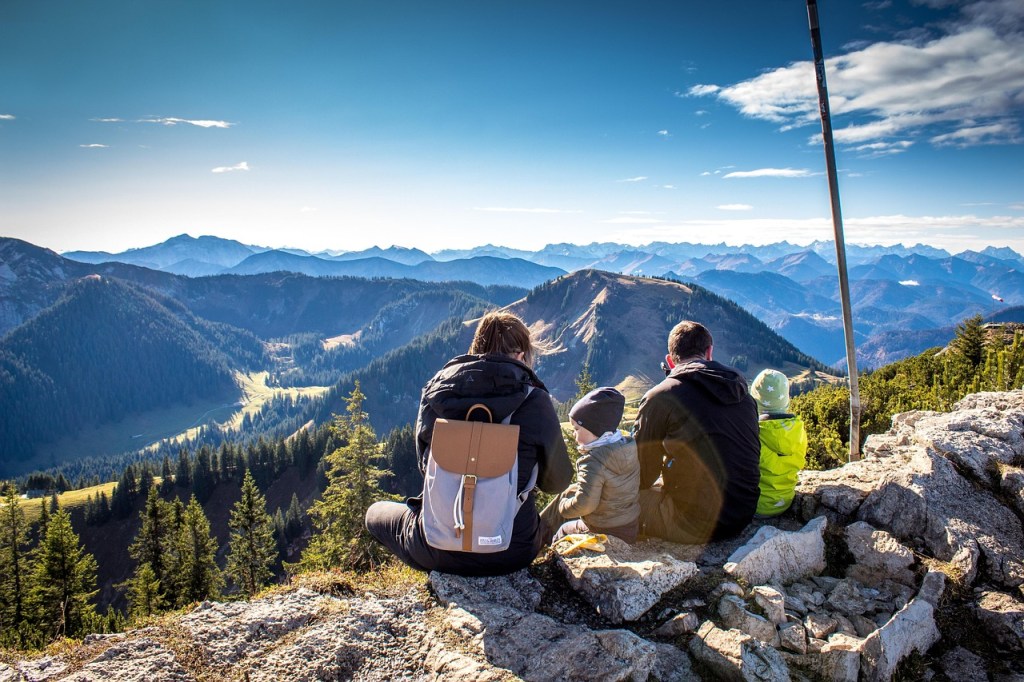
Your Family Camping Adventure
Camping with your family can be a rewarding and memorable experience. By following these Canadian family camping tips for camping with kids, you can ensure a smooth and enjoyable trip. From choosing the right campsite and packing essential gear to planning kid-friendly meals and activities, preparation is key to a successful adventure.
Remember to involve your kids in setting up the campsite and teach them basic camping skills to foster their independence and confidence. Keep safety in mind at all times, and be prepared for any weather conditions. Create lasting memories by capturing special moments through photos and journals, and encourage your children to appreciate and respect nature.
Family camping trips are a wonderful way to bond, explore the great outdoors, and create cherished memories that will last a lifetime. Embrace the opportunity to disconnect from the hustle and bustle of daily life and reconnect with each other in a beautiful natural setting.
We’d love to hear about your own family camping experiences and any additional tips you might have. Share your stories and suggestions in the comments below, and let’s build a supportive community of fellow Canadian campers. Happy camping!


 Canadian Camping Life
Leave a reply to Best Provincial Parks for Camping in Canada: Best Camping Destinations – Canadian Camping Life Cancel reply