Today, we’re diving into some of the best provincial parks for camping in Canada. From Ontario’s stunning lakes to British Columbia’s majestic mountains, these parks offer a range of beautiful landscapes perfect for any camping adventure.
Whether you’re looking for family-friendly campgrounds or remote backcountry sites, we’ve got you covered. We’ll highlight top destinations, share tips for your trips, and explain why these parks are must-visit spots for every camper.
Let’s explore Canada’s provincial parks and start planning your next outdoor adventure!

Benefits of Camping in Provincial Parks in Canada
Camping in provincial parks offers a unique and enriching experience for outdoor enthusiasts. One of the main benefits is the opportunity to connect with nature in a well-preserved environment. Provincial parks are known for their stunning landscapes, from lush forests and serene lakes to rugged mountains and coastal views. They provide a perfect escape from the hustle and bustle of city life, allowing campers to relax and enjoy the tranquility of nature.
Another advantage is the variety of recreational activities available. Many provincial parks offer hiking trails, canoe routes, fishing spots, and wildlife viewing opportunities. These activities are designed to cater to different interests and skill levels, ensuring that there is something for everyone. Additionally, provincial parks often have well-maintained campgrounds with amenities such as picnic areas, restrooms, and visitor centers, making them accessible and convenient for families and solo adventurers alike.
Camping in Canada: Differences Between Provincial Parks and National Parks
While both provincial and national parks offer beautiful natural settings for camping, there are some key differences. Provincial parks are managed by the individual provinces, while national parks are overseen by the federal government. This often means that provincial parks are more focused on regional conservation efforts and showcasing the unique features of their specific area.
National parks, on the other hand, tend to cover larger areas and often have more extensive infrastructure and visitor services. They are designed to protect significant natural and cultural heritage sites on a national scale. Both types of parks are wonderful for camping, but provincial parks can provide a more localized and intimate experience, highlighting the diverse natural beauty of each province in Canada.
Algonquin Provincial Park, Ontario
Overview of the Park
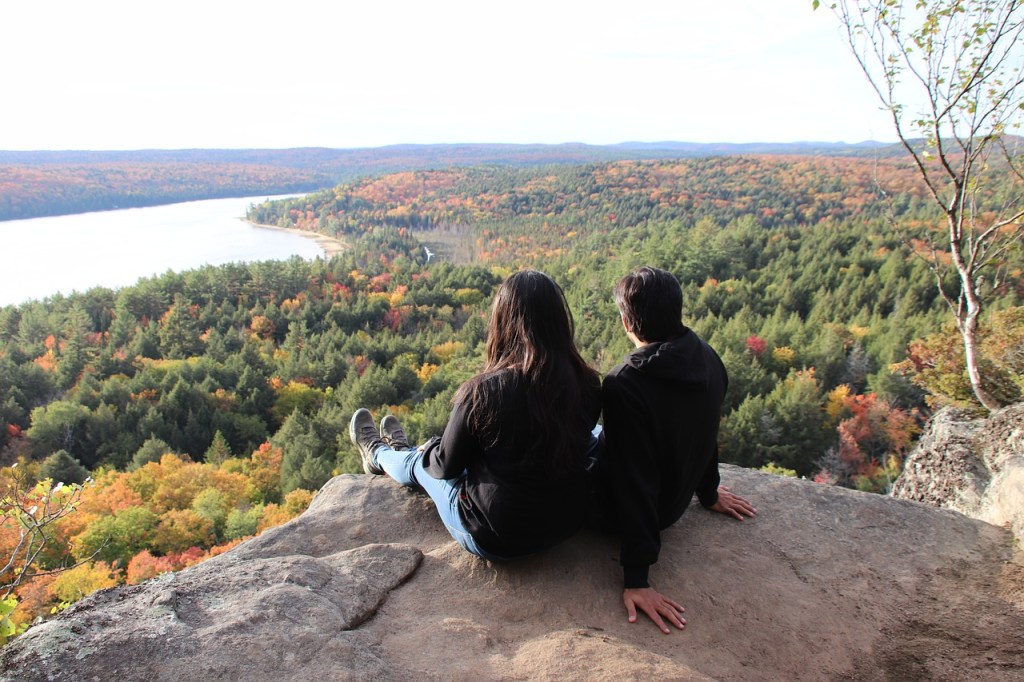
Algonquin Provincial Park is one of the oldest and most renowned parks in Ontario, Canada. Spanning over 7,600 square kilometers, it features a diverse landscape of forests, lakes, and rivers. This park is a haven for outdoor enthusiasts, offering a variety of recreational activities and stunning natural beauty. Its vast wilderness and rich biodiversity make it an excellent destination for camping and exploring the great outdoors. Drive through the park and you’re sure to see wildlife, like moose, bears, and more!
Popular Campsites and Activities
Algonquin Provincial Park boasts numerous campsites, each offering unique experiences. Some of the popular campsites include:
- Mew Lake Campground: Open year-round, it offers both car camping and winter camping with access to hiking and biking trails.
- Rock Lake Campground: Known for its scenic views and proximity to Rock Lake, it’s a great spot for canoeing and fishing.
- Lake of Two Rivers Campground: Centrally located, it provides easy access to many of the park’s attractions and is ideal for families.
Activities in Algonquin are diverse and cater to all types of campers. Popular activities include:
- Hiking: With over 20 interpretive hiking trails, there’s something for every skill level. The Lookout Trail and Centennial Ridges Trail offer breathtaking views.
- Canoeing: Algonquin is famous for its canoe routes, with over 2,000 kilometers of interconnected lakes and rivers. The Canoe Lake route is a popular trip.
- Wildlife Watching: The park is home to a variety of wildlife, including moose, black bears, and a wide array of bird species.
Tips for Visiting Algonquin
To make the most of your visit to Algonquin Provincial Park, consider the following tips:
- Book Early: Campsites, especially during peak seasons, can fill up quickly. Make reservations well in advance.
- Prepare for Weather: Weather in Algonquin can be unpredictable. Pack accordingly, including rain gear and warm clothing.
- Follow Park Regulations: Respect the park’s rules and guidelines to preserve its natural beauty and ensure the safety of all visitors.
- Explore Beyond the Campground: Take the time to explore the park’s trails and waterways to fully appreciate its natural beauty.
Algonquin Provincial Park offers a perfect mix of adventure and relaxation, making it a must-visit destination for campers in Ontario.
Pacific Rim National Park Reserve, British Columbia
Overview of the Park
Pacific Rim National Park Reserve is a stunning coastal park located on the west coast of Vancouver Island in British Columbia. It spans over 500 square kilometers and is divided into three regions: Long Beach, the Broken Group Islands, and the West Coast Trail. This park is renowned for its rugged coastline, sandy beaches, and temperate rainforests. The natural beauty and diverse ecosystems make it a favorite destination for campers and outdoor enthusiasts.
Popular Campsites and Activities
Long Beach Unit: This area offers several campsites, including the Green Point Campground, which is the only vehicle-accessible campground in the park. It provides easy access to the beautiful Long Beach, a perfect spot for beachcombing, surfing, and picnicking.
Broken Group Islands: This unit is ideal for those interested in kayaking and canoeing. It consists of over 100 islands and islets, providing a unique and adventurous camping experience. There are several designated campsites accessible only by boat.
West Coast Trail: This 75-kilometer trail is one of the most famous hiking routes in Canada. It offers a challenging but rewarding experience with breathtaking views, wildlife sightings, and diverse landscapes. There are several backcountry campsites along the trail for hikers.
Popular activities in Pacific Rim National Park Reserve include:
- Hiking: Numerous trails range from easy walks to challenging hikes.
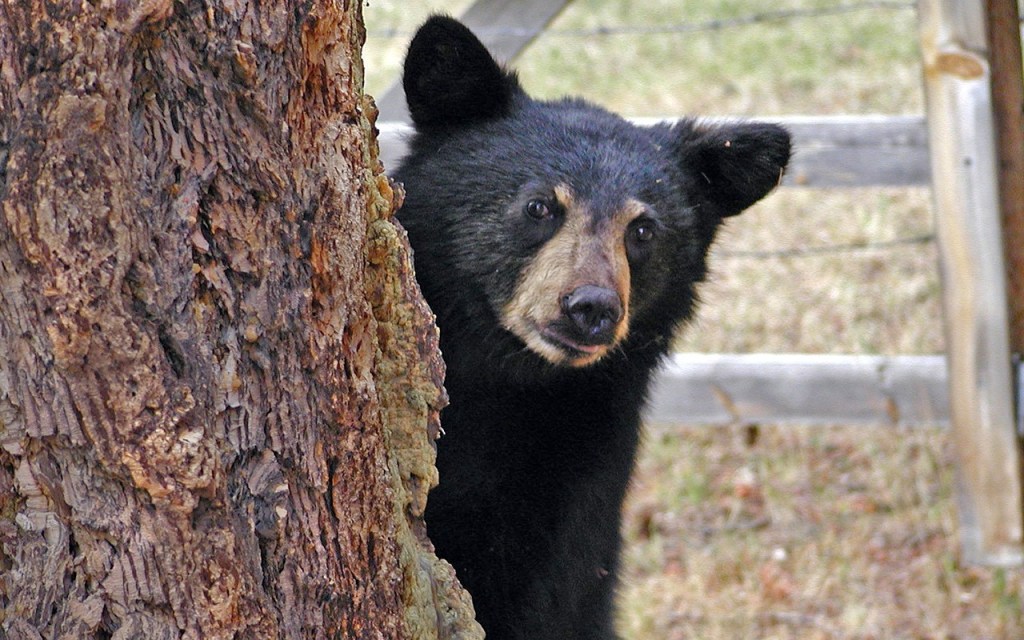
- Wildlife Watching: The park is home to a variety of wildlife, including whales, sea otters, and black bears.
- Beach Activities: Enjoy surfing, swimming, and exploring tide pools.
Tips for Visiting Pacific Rim National Park Reserve
- Reservations: Campsites, especially at Green Point Campground, fill up quickly. Make reservations in advance to secure your spot.
- Prepare for Weather: The weather can be unpredictable, with rain common even in the summer. Pack waterproof clothing and gear.
- Leave No Trace: Follow the Leave No Trace principles to preserve the park’s natural beauty. Pack out all trash and respect wildlife.
- Safety First: Be cautious when exploring coastal areas and trails. The West Coast Trail is challenging and requires proper preparation and physical fitness.
Pacific Rim National Park Reserve offers a unique and unforgettable camping experience, with its stunning landscapes and diverse activities. Whether you’re hiking the West Coast Trail or relaxing on Long Beach, this park is a must-visit for any camper in British Columbia.
Banff National Park, Alberta
Overview of the Park
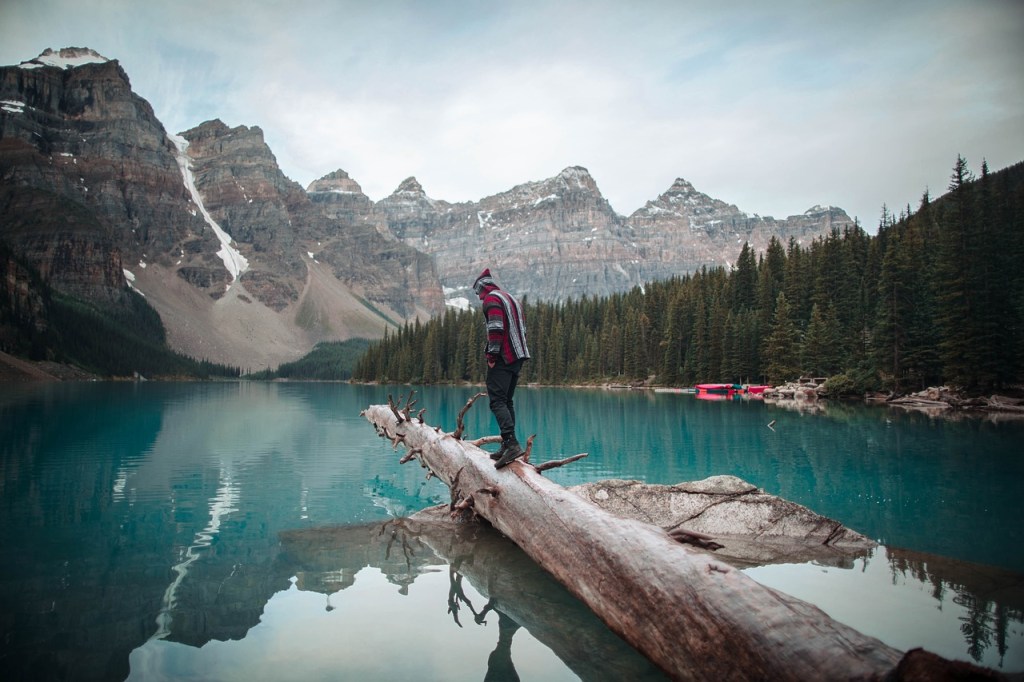
Banff National Park, located in Alberta, is Canada’s oldest national park and one of its most famous. Established in 1885, the park spans over 6,600 square kilometers and is part of the Canadian Rocky Mountain Parks UNESCO World Heritage site. Banff is renowned for its stunning mountain landscapes, turquoise lakes, and abundant wildlife. The park offers a perfect blend of natural beauty and recreational opportunities, making it a premier destination for camping and outdoor activities.
Popular Campsites and Activities
Campsites: Banff National Park has several well-equipped campgrounds suitable for all types of campers. Some of the popular campsites include:
- Tunnel Mountain Campground: Located close to the town of Banff, this campground offers sites for tents and RVs, along with modern amenities like hot showers and flush toilets.
- Two Jack Lakeside Campground: Known for its scenic views of Two Jack Lake and Mount Rundle, this campground is ideal for tent campers looking for a tranquil setting.
- Lake Louise Campground: Located near the iconic Lake Louise, this campground is perfect for exploring the lake and its surrounding trails.
Activities: Banff National Park offers a wide range of activities for visitors:
- Hiking: With over 1,600 kilometers of maintained trails, hikers can explore everything from easy walks to challenging mountain treks. Popular trails include the Johnston Canyon Trail and the Plain of Six Glaciers Trail.
- Canoeing and Kayaking: Paddle on the stunning lakes like Moraine Lake and Lake Louise for an unforgettable experience.
- Wildlife Viewing: The park is home to diverse wildlife, including grizzly bears, elk, and bighorn sheep. Early morning and late evening are the best times for sightings.
Tips for Visiting Banff
- Plan Ahead: Banff is a popular destination, especially in the summer. Make campground reservations early and plan your activities in advance.
- Be Weather-Prepared: Mountain weather can be unpredictable. Pack layers and be ready for sudden changes in temperature.
- Respect Wildlife: Maintain a safe distance from animals and follow park guidelines to ensure both your safety and the protection of wildlife.
- Explore Beyond the Crowds: While popular spots like Lake Louise can be crowded, there are many less-visited trails and lakes that offer equally stunning views and experiences.
Banff National Park is a must-visit destination for anyone looking to experience the natural beauty of Alberta. Whether you’re camping by a lake or hiking through the mountains, Banff offers an unforgettable outdoor adventure.
Fundy National Park, New Brunswick
Overview of the Park
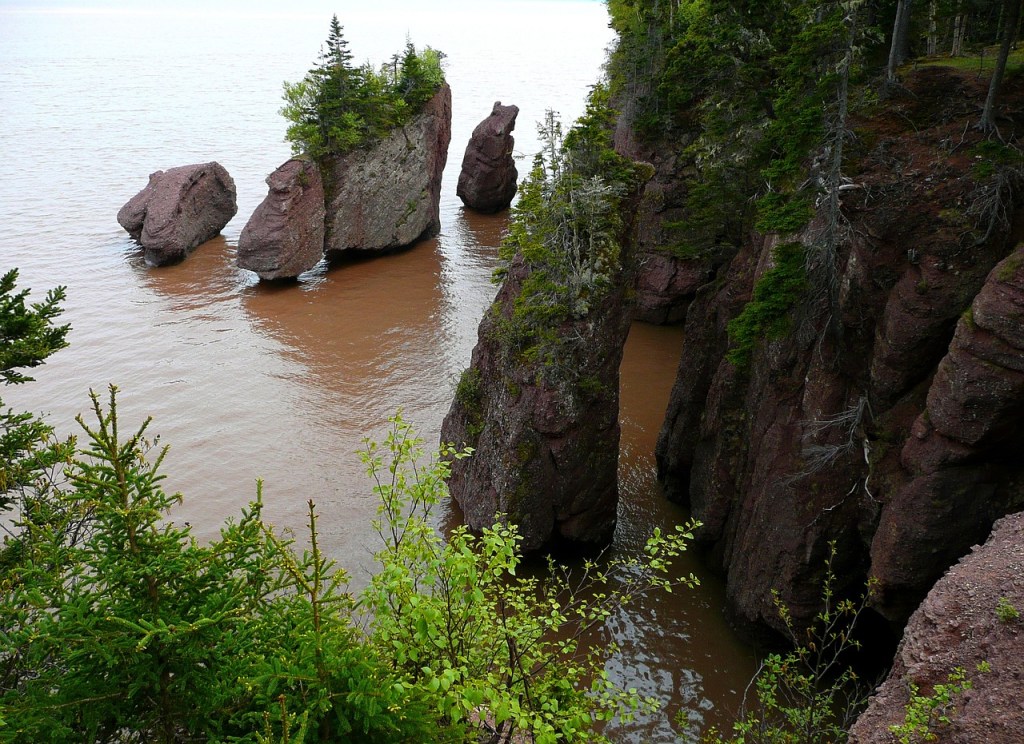
Fundy National Park, located on the rugged coastline of New Brunswick, is famous for having the world’s highest tides. Covering over 200 square kilometers, the park offers a diverse range of landscapes, from lush forests and waterfalls to coastal cliffs and sandy beaches. Fundy National Park is a paradise for nature lovers and outdoor enthusiasts, providing a perfect setting for camping and exploring.
Popular Campsites and Activities
Campsites: Fundy National Park has several campgrounds that cater to different types of campers:
- Chignecto North Campground: This large campground offers sites for tents and RVs, with amenities like hot showers, flush toilets, and a playground. It is nestled in the forest, providing a peaceful setting.
- Headquarters Campground: Located near the park’s visitor center, this campground offers easy access to trails and the park’s amenities. It is suitable for both tents and RVs.
- Point Wolfe Campground: This campground is located near the Point Wolfe River and is known for its scenic views and proximity to hiking trails. It offers a mix of tent and RV sites.
Activities: Fundy National Park offers a variety of activities for visitors:
- Hiking: The park has over 100 kilometers of trails, ranging from easy walks to challenging hikes. Popular trails include the Dickson Falls Trail and the Fundy Footpath.
- Tide Watching: Experience the dramatic tides by visiting the Hopewell Rocks or walking on the ocean floor at low tide.
- Canoeing and Kayaking: Paddle on the park’s lakes and rivers for a serene experience.
Tips for Visiting Fundy National Park
- Check the Tides: Plan your activities around the tides to fully experience the park’s unique tidal phenomena.
- Pack for All Weather: The weather in Fundy can change quickly, so bring layers and rain gear.
- Book in Advance: Campsites can fill up quickly, especially in the summer. Make reservations early to secure your spot.
- Explore Off the Beaten Path: While popular sites are a must-see, don’t miss the lesser-known trails and spots for a more tranquil experience.
Fundy National Park offers an unforgettable camping experience with its stunning natural beauty and diverse activities. Whether you’re hiking the trails, watching the tides, or simply relaxing at your campsite, Fundy is a fantastic destination for campers in New Brunswick.
Gros Morne National Park, Newfoundland and Labrador
Overview of the Park
Gros Morne National Park, located on the west coast of Newfoundland, is a UNESCO World Heritage site known for its dramatic landscapes and geological features. Covering nearly 1,800 square kilometers, the park offers a diverse range of environments, from towering fjords and lush forests to sweeping coastal areas. Gros Morne is a paradise for nature lovers and adventurers, providing numerous opportunities for exploration and relaxation.
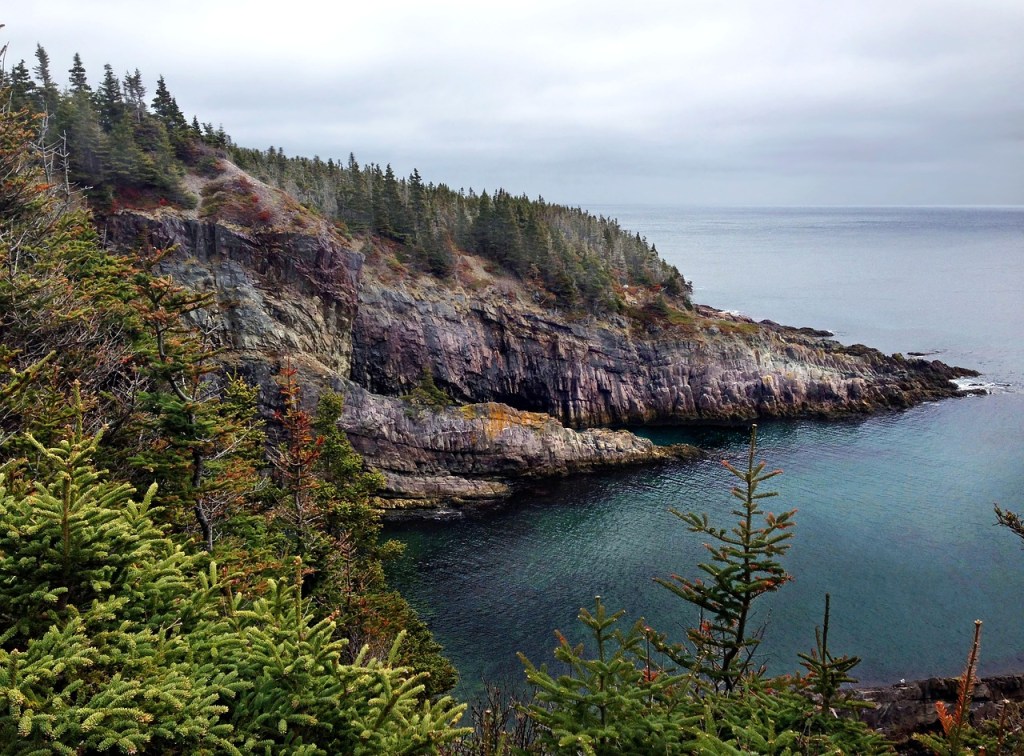
Popular Campsites and Activities
Campsites: Gros Morne National Park offers several campgrounds, each with its unique charm:
- Berry Hill Campground: This centrally located campground is perfect for exploring the park. It offers sites for tents and RVs, along with amenities such as hot showers and flush toilets.
- Lomond Campground: Nestled on the shores of Bonne Bay, this campground provides stunning views and easy access to hiking trails. It’s suitable for both tents and RVs.
- Green Point Campground: Located on a coastal terrace, this campground offers beautiful ocean views and a peaceful setting. It’s ideal for those looking to enjoy the coastal scenery.
Activities: Gros Morne National Park is known for its diverse activities:
- Hiking: The park boasts numerous trails, from short walks to challenging hikes. The Gros Morne Mountain Trail and the Green Gardens Trail are popular choices for their spectacular views.
- Boat Tours: Explore the Western Brook Pond Fjord on a boat tour to witness the stunning cliffs and waterfalls.
- Wildlife Watching: The park is home to moose, caribou, and a variety of bird species. Keep an eye out for wildlife along the trails and coast.
Tips for Visiting Gros Morne
- Prepare for Weather: The weather in Gros Morne can be unpredictable. Pack layers and rain gear to stay comfortable.
- Make Reservations: Campsites can fill up quickly, especially during peak season. Reserve your spot in advance.
- Explore the Trails: Take the time to explore the park’s trails. Each trail offers unique views and experiences, from coastal paths to mountain hikes.
- Respect the Environment: Follow the Leave No Trace principles to help preserve the park’s natural beauty for future visitors.
Gros Morne National Park offers an unforgettable camping experience with its breathtaking landscapes and diverse activities. Whether you’re hiking the trails, exploring the fjords, or relaxing at your campsite, Gros Morne is a must-visit destination for campers in Newfoundland and Labrador.
Mont-Tremblant National Park, Quebec
Overview of the Park
Mont-Tremblant National Park, located in Quebec, is the province’s oldest and largest park, covering over 1,500 square kilometers. It is renowned for its beautiful landscapes, including rolling hills, pristine lakes, and dense forests. The park offers a perfect blend of natural beauty and outdoor activities, making it an ideal destination for campers and nature lovers.
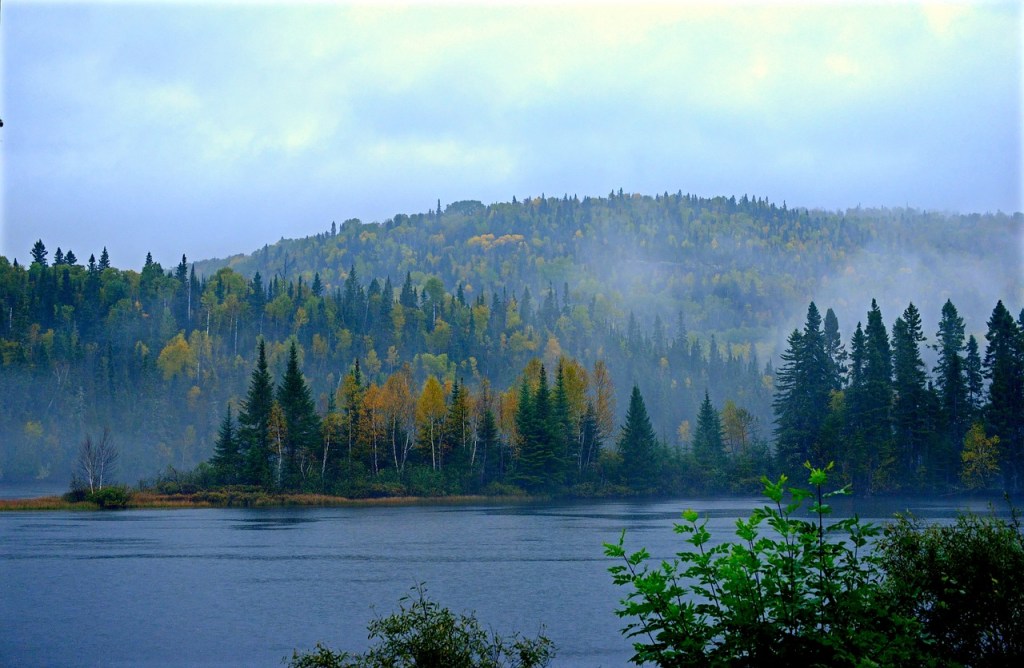
Popular Campsites and Activities
Campsites: Mont-Tremblant National Park has several campgrounds that cater to various camping preferences:
- La Diable Sector: This area offers several campgrounds, including the popular Lac Monroe campground, which is great for families and provides easy access to the lake and trails.
- La Pimbina Sector: Known for its peaceful environment, this sector features the L’Assomption campground, which is perfect for those looking for a quieter camping experience.
- Backcountry Camping: For more adventurous campers, the park offers numerous backcountry sites accessible by hiking or canoeing. These sites provide a more secluded and immersive experience in nature.
Activities: Mont-Tremblant National Park is packed with activities for visitors:
- Hiking: The park boasts over 80 kilometers of hiking trails, ranging from easy walks to challenging hikes. The La Roche and La Coulée trails offer stunning views of the park’s landscapes.
- Canoeing and Kayaking: The park’s many lakes and rivers are perfect for paddling. Rent a canoe or kayak and explore the serene waters.
- Wildlife Watching: The park is home to a variety of wildlife, including deer, beavers, and numerous bird species. Keep an eye out for these animals along the trails and waterways.
Tips for Visiting Mont-Tremblant National Park
- Plan Ahead: Campsites, especially during peak seasons, can fill up quickly. Make reservations in advance to secure your spot.
- Pack Accordingly: Weather in Mont-Tremblant can be variable. Bring layers, rain gear, and appropriate footwear for hiking.
- Respect Wildlife: Maintain a safe distance from animals and follow park guidelines to ensure both your safety and the protection of wildlife.
- Explore the Waterways: Don’t miss out on canoeing or kayaking in the park’s beautiful lakes and rivers. It’s a great way to see the park from a different perspective.
Mont-Tremblant National Park offers a wonderful camping experience with its diverse landscapes and numerous activities. Whether you’re hiking, paddling, or simply enjoying the natural beauty, this park is a must-visit destination for campers in Quebec.
Riding Mountain National Park, Manitoba
Overview of the Park
Riding Mountain National Park is a stunning natural gem located in Manitoba. Covering 3,000 square kilometers, it features a unique mix of prairie, forest, and lake ecosystems. The park sits atop the Manitoba Escarpment, offering diverse landscapes and rich biodiversity. It’s a fantastic destination for camping, with its vast wilderness and numerous recreational opportunities.

Popular Campsites and Activities
Campsites: Riding Mountain National Park has several campgrounds that cater to different camping preferences:
- Wasagaming Campground: This large, well-equipped campground is located near the town of Wasagaming. It offers sites for tents and RVs, along with amenities like hot showers, flush toilets, and a playground.
- Lake Audy Campground: Situated in a more remote area of the park, this campground offers a quieter, more rustic camping experience. It’s great for those who want to get closer to nature and enjoy some peace and tranquility.
- Backcountry Camping: For the more adventurous, the park offers backcountry camping sites accessible by hiking or canoeing. These sites provide a more secluded and immersive experience.
Activities: Riding Mountain National Park offers a variety of activities for visitors:
- Hiking and Biking: The park has over 400 kilometers of trails, suitable for both hiking and biking. Popular trails include the Lakeshore Trail and the Bald Hill Trail.
- Wildlife Viewing: The park is home to a diverse range of wildlife, including bison, elk, and black bears. The Bison Enclosure near Lake Audy is a great place to see these majestic animals up close.
- Water Activities: Clear Lake is perfect for swimming, boating, and fishing. You can rent kayaks, canoes, and paddleboards to explore the lake.
Tips for Visiting Riding Mountain National Park
- Make Reservations: Campsites can fill up quickly, especially in the summer. Reserve your spot in advance.
- Pack for All Weather: Weather in Riding Mountain can be unpredictable. Bring layers, rain gear, and appropriate footwear.
- Respect Wildlife: Maintain a safe distance from animals and follow park guidelines to ensure both your safety and the protection of wildlife.
- Explore the Trails: Take the time to explore the park’s extensive trail system. Each trail offers unique views and experiences.
Riding Mountain National Park offers a wonderful camping experience with its diverse landscapes and activities. Whether you’re hiking the trails, paddling on Clear Lake, or simply enjoying the natural beauty, this park is a must-visit destination for campers in Manitoba.
Prince Albert National Park, Saskatchewan
Overview of the Park
Prince Albert National Park, located in central Saskatchewan, is a beautiful and diverse natural area that spans over 3,800 square kilometers. The park features a mix of boreal forest, aspen parkland, and prairie, providing a rich habitat for various wildlife species. Known for its stunning landscapes, including lakes, rivers, and rolling hills, Prince Albert National Park offers a tranquil escape for campers and outdoor enthusiasts.
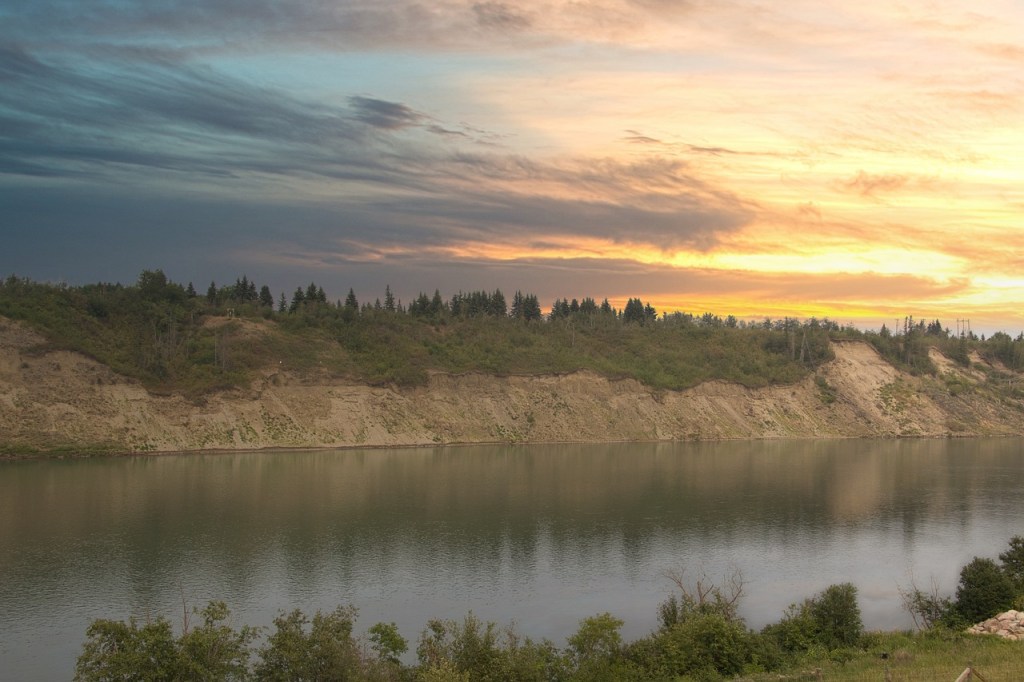
Popular Campsites and Activities
Campsites: The park offers several campgrounds catering to different camping styles:
- Beaver Glen Campground: This well-equipped campground is located near Waskesiu Lake and provides amenities such as hot showers, flush toilets, and electrical hookups. It’s ideal for families and those seeking a comfortable camping experience.
- Namekus Lake Campground: A more rustic option, this campground offers a peaceful setting with basic facilities. It’s perfect for those looking to immerse themselves in nature.
- Backcountry Camping: For adventurous campers, the park provides numerous backcountry sites accessible by hiking or canoeing. These sites offer a more secluded and immersive experience.
Activities: Prince Albert National Park is packed with activities for visitors:
- Hiking and Biking: The park boasts over 150 kilometers of trails, ranging from easy walks to challenging hikes. The Kingsmere River Trail and the Boundary Bog Trail are popular choices for their scenic views.
- Wildlife Viewing: The park is home to a variety of wildlife, including elk, bison, and black bears. The Grey Owl’s Cabin hike offers a chance to see the historical cabin of the famous conservationist.
- Water Activities: Waskesiu Lake is perfect for swimming, boating, and fishing. Rent a kayak or canoe to explore the lake’s serene waters.
Tips for Visiting Prince Albert National Park
- Plan Ahead: Campsites, especially at Beaver Glen, can fill up quickly. Make reservations early to secure your spot.
- Pack for Variable Weather: The weather in Prince Albert National Park can change quickly. Bring layers, rain gear, and appropriate footwear for hiking.
- Respect Wildlife: Maintain a safe distance from animals and follow park guidelines to ensure both your safety and the protection of wildlife.
- Explore the Waterways: Take the opportunity to canoe or kayak on Waskesiu Lake and other bodies of water for a unique perspective of the park.
Prince Albert National Park offers a wonderful camping experience with its diverse landscapes and activities. Whether you’re hiking, paddling, or simply enjoying the natural beauty, this park is a must-visit destination for campers in Saskatchewan.
Kluane National Park and Reserve, Yukon
Overview of the Park
Kluane National Park and Reserve is a breathtaking wilderness area located in the southwestern corner of the Yukon. Spanning over 22,000 square kilometers, it is home to Canada’s highest peak, Mount Logan, and the world’s largest non-polar icefields. The park’s dramatic landscapes include towering mountains, lush valleys, and pristine lakes, making it a paradise for outdoor enthusiasts and adventure seekers.
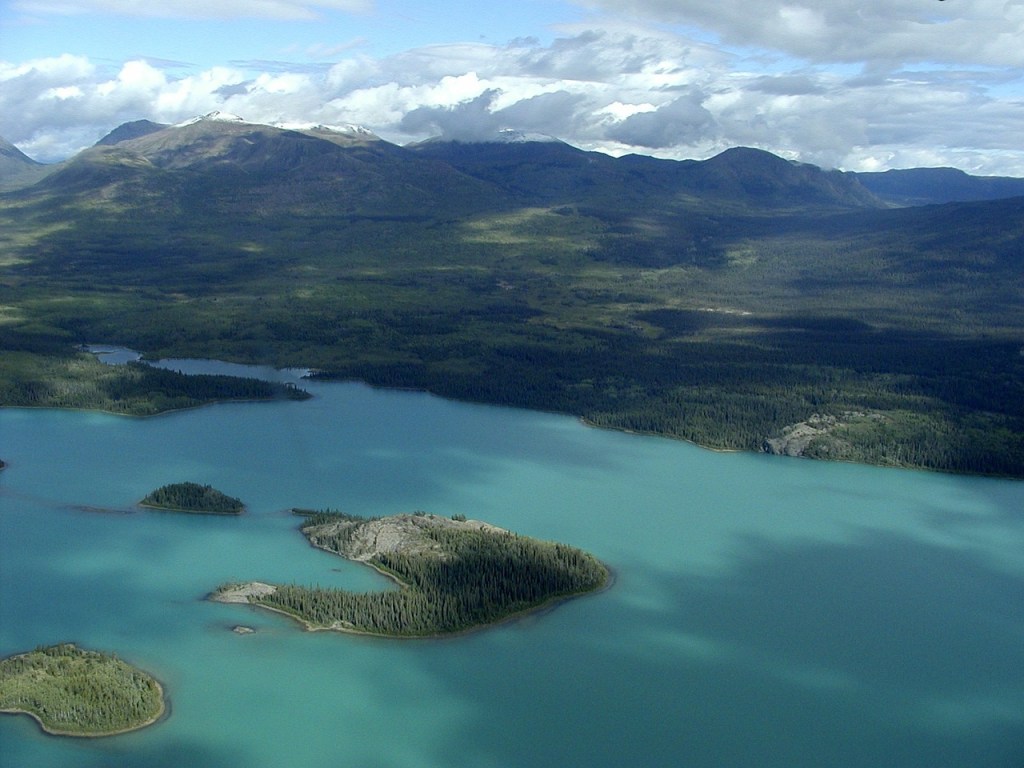
Popular Campsites and Activities
Campsites: Kluane National Park offers several camping options to suit different preferences:
- Kathleen Lake Campground: This is the most accessible and popular campground in the park. It offers sites for tents and RVs, with basic amenities like picnic tables, fire pits, and toilets. The campground is situated near the beautiful Kathleen Lake, providing easy access to water activities and hiking trails.
- Backcountry Camping: For those seeking a more rugged experience, the park provides numerous backcountry camping opportunities. These sites are accessible by hiking or paddling and offer a chance to immerse yourself in the park’s remote wilderness.
Activities: Kluane National Park is renowned for its diverse activities:
- Hiking: The park features a variety of trails, from short walks to challenging multi-day hikes. The King’s Throne and St. Elias Lake trails are popular for their stunning views.
- Wildlife Viewing: The park is home to a rich variety of wildlife, including grizzly bears, Dall sheep, and mountain goats. Keep a respectful distance and bring binoculars for the best viewing experience.
- Boating and Fishing: Kathleen Lake and other bodies of water in the park offer excellent opportunities for boating and fishing. Canoeing and kayaking are also popular activities.
Tips for Visiting Kluane
- Prepare for Weather: The weather in Kluane can be unpredictable. Pack layers, rain gear, and warm clothing to stay comfortable.
- Plan Ahead: Make reservations for Kathleen Lake Campground if you plan to stay there, especially during peak season. For backcountry camping, ensure you have the necessary permits and gear.
- Respect Wildlife: Follow park guidelines to keep a safe distance from wildlife. Store food properly to avoid attracting animals to your campsite.
- Explore Safely: Due to the park’s remote and rugged nature, be sure to carry a map, compass, and plenty of supplies. Let someone know your plans before heading into the backcountry.
Kluane National Park and Reserve offers an unparalleled wilderness experience with its stunning landscapes and diverse activities. Whether you’re hiking its majestic trails or camping by a serene lake, Kluane is a must-visit destination for adventurers in the Yukon.
Nahanni National Park Reserve, Northwest Territories
Overview of the Park
Nahanni National Park Reserve, located in the Northwest Territories, is a UNESCO World Heritage Site known for its breathtaking natural beauty and unique geological features. Covering over 30,000 square kilometers, the park is home to the stunning South Nahanni River, dramatic canyons, hot springs, and Virginia Falls, which is nearly twice the height of Niagara Falls. Nahanni’s remote and rugged terrain offers a truly wild and unforgettable experience for outdoor enthusiasts.
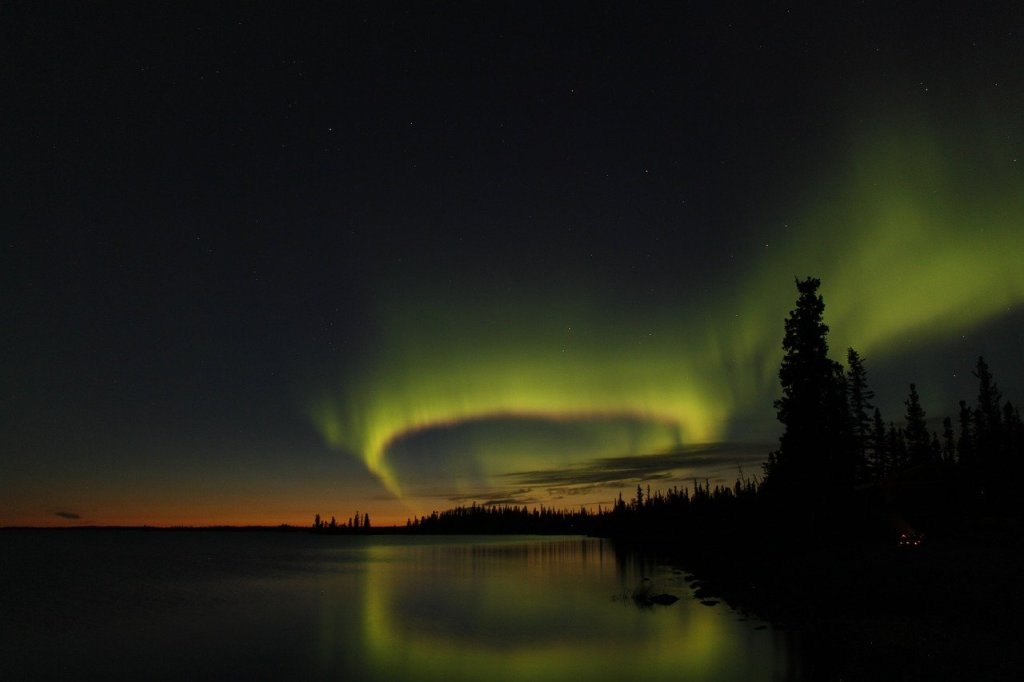
Popular Campsites and Activities
Campsites: Camping in Nahanni is primarily a backcountry experience, with a few designated sites for those embarking on river trips or multi-day hikes:
- Virginia Falls Campground: Located near the iconic Virginia Falls, this campground offers basic facilities and stunning views. It’s a great starting point for exploring the surrounding area.
- Backcountry Campsites: Scattered along the South Nahanni River and its tributaries, these sites provide a more rustic camping experience. They are accessible by river trips or hiking.
Activities: Nahanni National Park Reserve offers a variety of adventurous activities:
- Canoeing and Rafting: The South Nahanni River is renowned for its world-class whitewater paddling. Canoeists and rafters can enjoy thrilling rapids, serene stretches, and incredible scenery.
- Hiking: The park has several challenging trails that offer breathtaking views. The Cirque of the Unclimbables and the Sunblood Mountain Trail are popular among experienced hikers.
- Wildlife Viewing: Nahanni is home to diverse wildlife, including grizzly bears, moose, and caribou. Birdwatchers can also spot various species along the river and in the forests.
Tips for Visiting Nahanni
- Prepare for Remote Conditions: Nahanni is remote and rugged. Ensure you have all necessary supplies, including food, water, and camping gear. Satellite communication devices are recommended.
- Get Permits: Backcountry camping and river trips require permits. Plan ahead and obtain the necessary permits from Parks Canada.
- Respect Wildlife: Follow park guidelines to minimize your impact on wildlife and ensure your safety. Store food properly to avoid attracting animals.
- Be Ready for Weather Changes: Weather in Nahanni can be unpredictable. Pack layers and waterproof gear to stay comfortable.
Nahanni National Park Reserve offers an unparalleled wilderness experience with its dramatic landscapes and challenging adventures. Whether you’re paddling the South Nahanni River or hiking through its rugged terrain, Nahanni is a must-visit destination for those seeking an extraordinary outdoor experience in the Northwest Territories.
Your Canada Camping Adventure Awaits
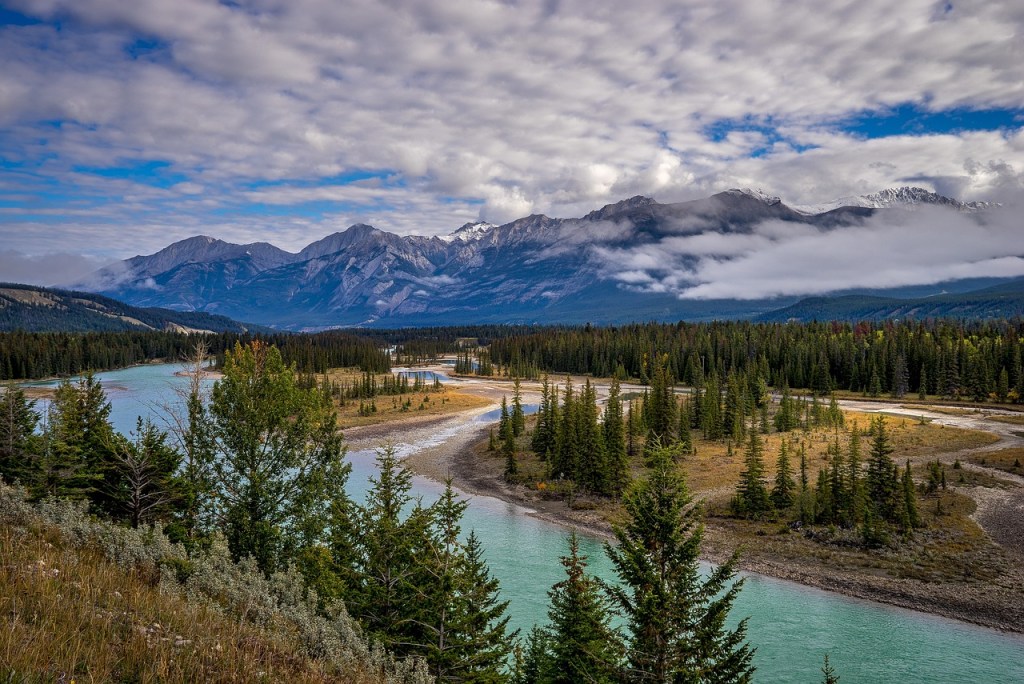
We’ve journeyed through some of the best provincial parks for camping in Canada, each offering unique landscapes and unforgettable experiences. From the stunning lakes of Algonquin Provincial Park in Ontario to the rugged beauty of Kluane National Park in Yukon, Canada’s provincial parks are treasure troves of natural beauty and outdoor adventure.
Whether you’re a seasoned camper or just starting out, these parks offer something for everyone. Imagine waking up to the sound of birds at Gros Morne, hiking the scenic trails of Mont-Tremblant, or paddling along the serene waters of Prince Albert. Each park provides an opportunity to connect with nature and create lasting memories.
We invite you to share your camping experiences and tips in the comments below. Have you discovered a hidden gem or a must-try activity in one of these parks? Your stories and advice can help fellow campers make the most of their adventures. Let’s build a community of outdoor enthusiasts who support and inspire each other. Happy camping, and we can’t wait to hear about your next adventure!


 Canadian Camping Life
Leave a reply to Canadian Family Camping Tips for Camping with Kids – Canadian Camping Life Cancel reply