Camping in Canada is a favorite pastime for many families and adventure seekers. However, the timing of your camping trips can make a huge difference in your experience. Choosing the right season for camping can help you avoid common pitfalls and make the most of your outdoor adventure.
Canada’s diverse landscape and climate mean that camping conditions vary widely throughout the year. Each season offers its own set of benefits and challenges. For example, while summer is popular for its warm weather and long days, it can also bring crowded campgrounds and the need for careful sun protection. On the other hand, winter camping offers the quiet beauty of snowy landscapes but requires more preparation and specialized gear to stay warm.
Our guide will walk you through what to expect in each season, highlighting the pros and cons, top locations to visit, and essential tips to keep in mind. Whether you’re looking to enjoy the fresh blooms of spring, the sunny days of summer, the crisp air of fall, or the serene beauty of winter, this guide will help you determine the best time to go camping in Canada. Get ready to plan your next unforgettable outdoor adventure!
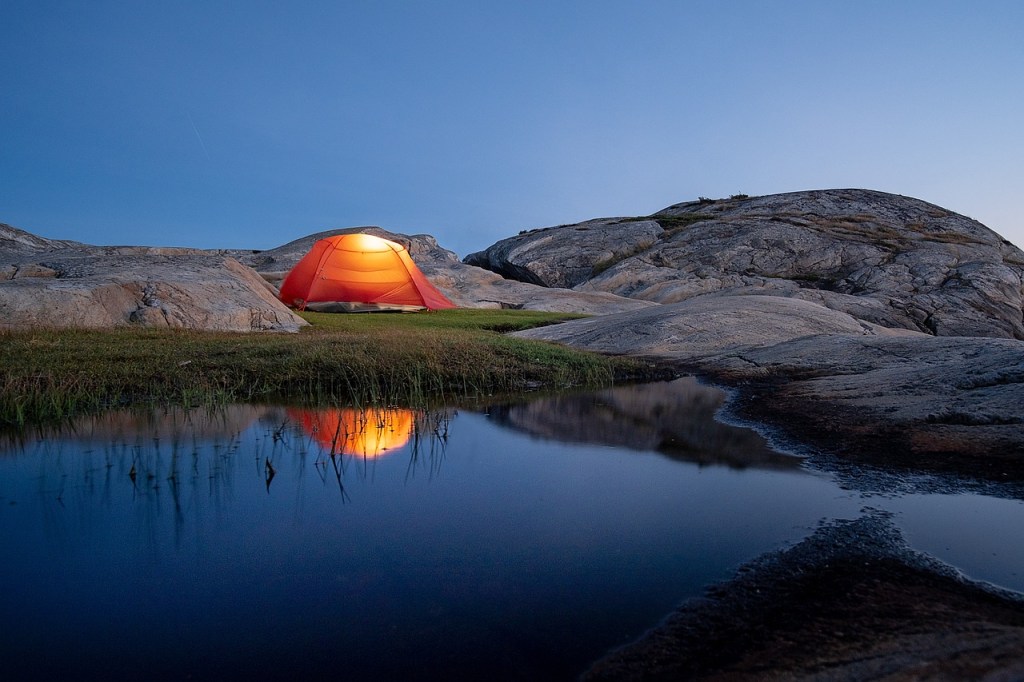
Spring Camping in Canada
Pros and Cons
Spring camping in Canada has its unique charms and challenges. One of the main advantages is the mild weather, which makes for comfortable days and nights. There are also fewer bugs compared to the summer, making it easier to enjoy outdoor activities. However, spring weather can be unpredictable, with possible rain showers that can make camping a bit tricky. It’s important to be prepared for these conditions to fully enjoy your spring camping experience.
Best Locations
Algonquin Park, Ontario: This park is a year-round favorite, known for its stunning lakes and wildlife. Spring is the perfect time to visit as the park comes alive with blooming flowers and active animals. It’s also less crowded than in the peak summer months.
Pacific Rim National Park, British Columbia: This park offers beautiful coastal scenery and mild spring temperatures. The Long Beach area is particularly popular for its breathtaking views and the chance to spot migrating whales.
Both parks offer unique spring experiences and are well-equipped with campgrounds and facilities to make your trip enjoyable.
Tips for Spring Camping
Essential gear for spring: When packing for a spring camping trip, it’s crucial to include waterproof gear. A good quality rain jacket, waterproof boots, and a sturdy tent with a rainfly are must-haves. Additionally, a warm sleeping bag suitable for cooler nights will ensure you stay comfortable.
Staying dry and warm: Layering is key to staying warm during spring camping. Start with a moisture-wicking base layer, add a thermal layer, and finish with a waterproof outer layer. This setup will keep you warm and dry regardless of the weather.
Spring-specific safety tips: Since spring weather can change rapidly, it’s important to check the weather forecast frequently and be prepared for sudden changes. Make sure your campsite is on high ground to avoid flooding from spring rains. Bringing along a portable weather radio can help you stay updated on any approaching storms.
For an extra layer of comfort, consider bringing a camping mat to insulate yourself from the cool ground.
By following these tips and being prepared with the right gear, you can make the most of your spring camping adventure in Canada. Whether you’re exploring the rugged beauty of Algonquin Park or the coastal wonders of Pacific Rim National Park, spring camping offers a unique and refreshing outdoor experience.
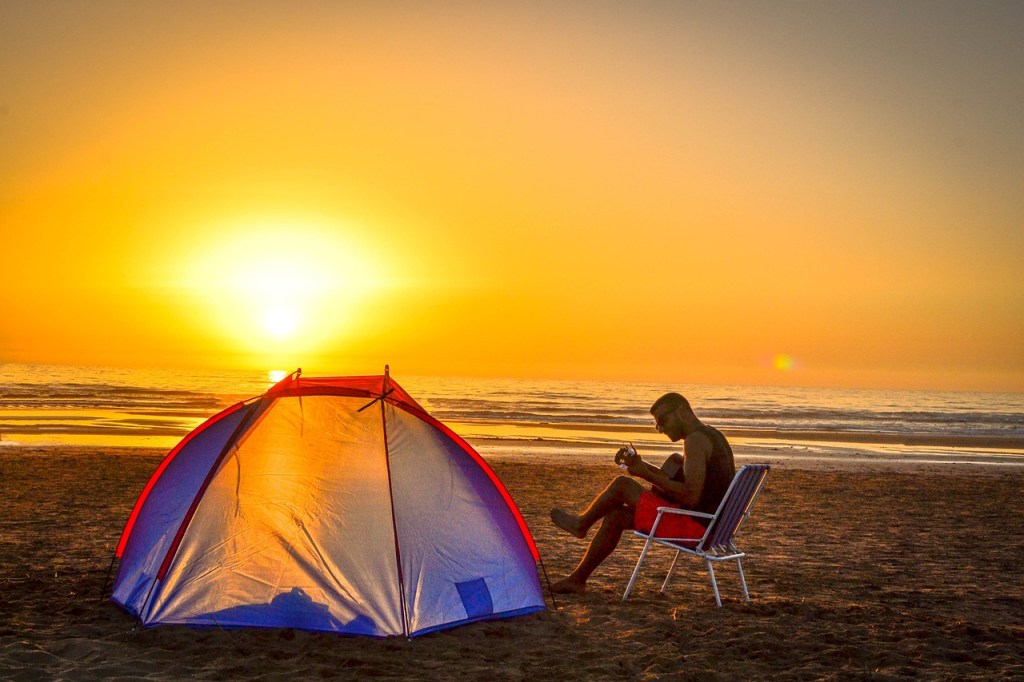
Summer Camping in Canada
Popular Spots
Banff National Park, Alberta: Known for its breathtaking mountain views, Banff National Park is a summer camping paradise. The park offers a variety of campgrounds, from well-equipped sites to more rustic options. Lake Louise and Moraine Lake are must-see destinations, providing stunning backdrops for hiking and photography.
Jasper National Park, Alberta: Jasper is perfect for those seeking a mix of adventure and tranquility. The park is less crowded than Banff, making it a great spot for families. Highlights include the Athabasca Falls, Maligne Lake, and the expansive Columbia Icefield. Campgrounds like Wapiti and Whistlers offer excellent facilities.
Fundy National Park, New Brunswick: This park is famous for having the world’s highest tides. Fundy offers unique coastal camping experiences with scenic trails and ocean views. The park’s Point Wolfe and Chignecto campgrounds are popular choices. Don’t miss the Hopewell Rocks, where you can walk on the ocean floor at low tide.
Crowd Management
Summer is the busiest season for camping in Canada, so it’s essential to plan ahead. Here are some tips for managing crowds:
Booking campsites in advance: Popular campgrounds, especially in national parks, fill up quickly during summer. It’s a good idea to reserve your campsite several months in advance. Websites like Parks Canada allow you to book campsites online, ensuring you have a spot when you arrive.
Tips for avoiding crowded areas: Consider camping during weekdays instead of weekends, as this can significantly reduce the number of people you encounter. Look for less popular trails and campgrounds within the parks. Early morning hikes can also help you avoid the busiest times of the day. Another great resource is to look up subreddits on the area you are visiting – locals are happy to post hidden gems, such as secret beaches, quieter hiking trails, and local activities that the general public might miss.
Heat Safety
Summer camping means enjoying warm weather, but it also requires taking precautions against the heat. Here are some key tips to stay safe and comfortable:
Hydration and sun protection: Always carry plenty of water and drink regularly, even if you don’t feel thirsty. Using a hydration pack can make it easier to stay hydrated while hiking. Protect yourself from the sun by wearing a wide-brimmed hat, sunglasses, and sunscreen with at least SPF 30. Reapply sunscreen every two hours and after swimming.
Camping near water bodies: Camping near lakes or rivers can provide a natural way to cool down. Swimming and water activities can help you stay comfortable during hot days. Just ensure the water is safe for swimming and follow any posted guidelines.
Recognizing and treating heat-related illnesses: Be aware of the signs of heat exhaustion and heat stroke, which include heavy sweating, weakness, dizziness, nausea, and confusion. If you or someone in your group shows these symptoms, move to a shaded or cool area, drink water, and cool down with wet cloths or a fan. In severe cases, seek medical attention immediately.
To help manage the heat, consider products like the LifeStraw Personal Water Filter for clean drinking water on the go and the Coleman Portable Shade Shelter for a break from the sun. Even better, invest in a Clam Shelter as they are much more durable! These items are popular among campers for their practicality and ease of use.
By preparing for the crowds and heat, you can fully enjoy the beauty and adventure of summer camping in Canada. Whether you’re exploring the majestic Rocky Mountains or the unique coastal landscapes of Fundy, summer offers endless possibilities for unforgettable camping experiences.
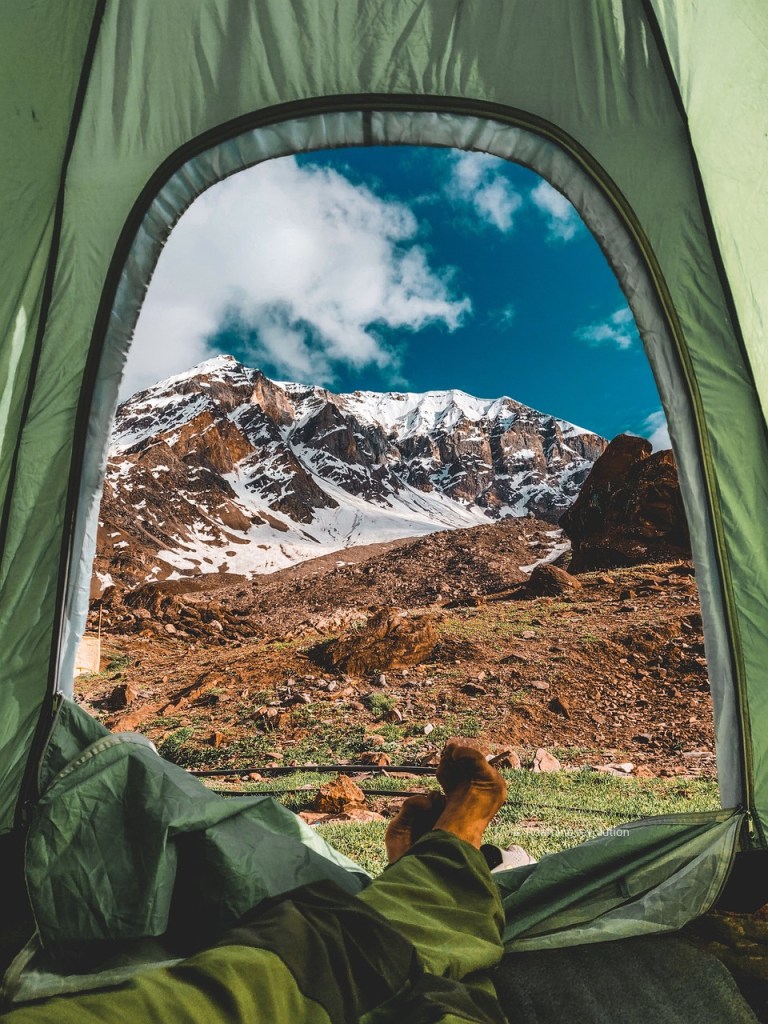
Fall Camping in Canada
Benefits of Fall Camping
Fall camping in Canada is a favorite for many outdoor enthusiasts, and it’s easy to see why. One of the main benefits is the cooler temperatures, which make hiking and other activities more enjoyable. You won’t have to deal with the intense heat of summer, and you’ll likely encounter fewer bugs, making for a more comfortable experience.
Another major draw of fall camping is the stunning fall foliage. As the leaves change colors, the landscapes transform into beautiful displays of reds, oranges, and yellows. This makes for picturesque views and great photo opportunities. Fall is also a quieter time in many campgrounds, as the summer rush has ended. This means you can enjoy the serenity and peace of nature without the crowds.
Scenic Spots
Cape Breton Highlands, Nova Scotia: Cape Breton Highlands is a fantastic destination for fall camping. The Cabot Trail, which winds through the park, offers some of the most breathtaking views of fall foliage in the country. The mix of coastal scenery and colorful forests is simply stunning. There are several campgrounds within the park, such as Broad Cove and Ingonish Beach, that provide excellent facilities and easy access to the trail.
Prince Edward Island National Park, PEI: This park is another excellent spot for fall camping. Known for its rolling dunes and beautiful beaches, Prince Edward Island National Park becomes even more magical in the fall. The cooler weather is perfect for exploring the park’s many trails, and the vibrant autumn colors add an extra layer of beauty. Campgrounds like Stanhope and Cavendish offer great amenities and scenic views.
Both of these parks provide unique fall experiences that highlight the natural beauty of Canada during this season. They are well-equipped with campgrounds that cater to families and solo campers alike.
What to Pack for Fall Camping
Packing the right gear is crucial for a successful fall camping trip. The key to staying comfortable is layering your clothing. Start with a moisture-wicking base layer to keep sweat away from your skin. Add a thermal layer for warmth, and finish with a waterproof outer layer to protect against rain and wind.
For staying warm at night, a good quality sleeping bag rated for lower temperatures is essential. The Teton Sports Celsius sleeping bag is a popular choice due to its warmth and comfort. Pair it with a sleeping pad to insulate yourself from the cold ground.
Other fall-specific gear includes a portable camping heater, like the Mr. Heater Buddy, which can be a lifesaver during chilly evenings. Don’t forget to bring a reliable flashlight or headlamp, as the days are shorter in the fall. The Black Diamond Spot headlamp is highly recommended for its brightness and durability.
By packing appropriately, you can enjoy all the benefits of fall camping in Canada without worrying about the changing weather.
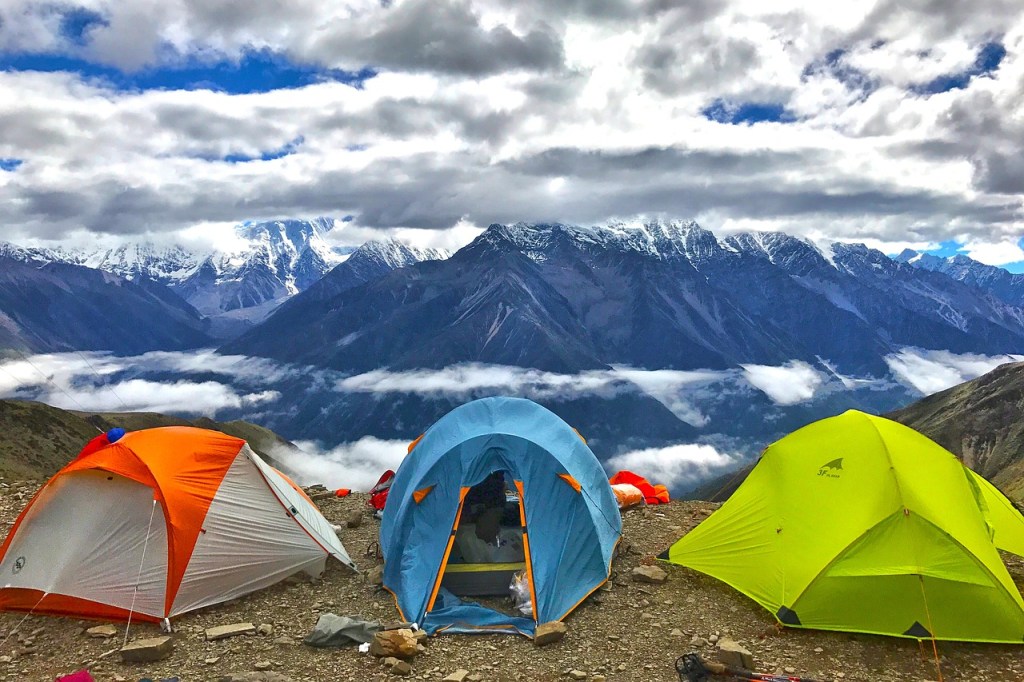
Winter Camping in Canada
Tips for Staying Warm
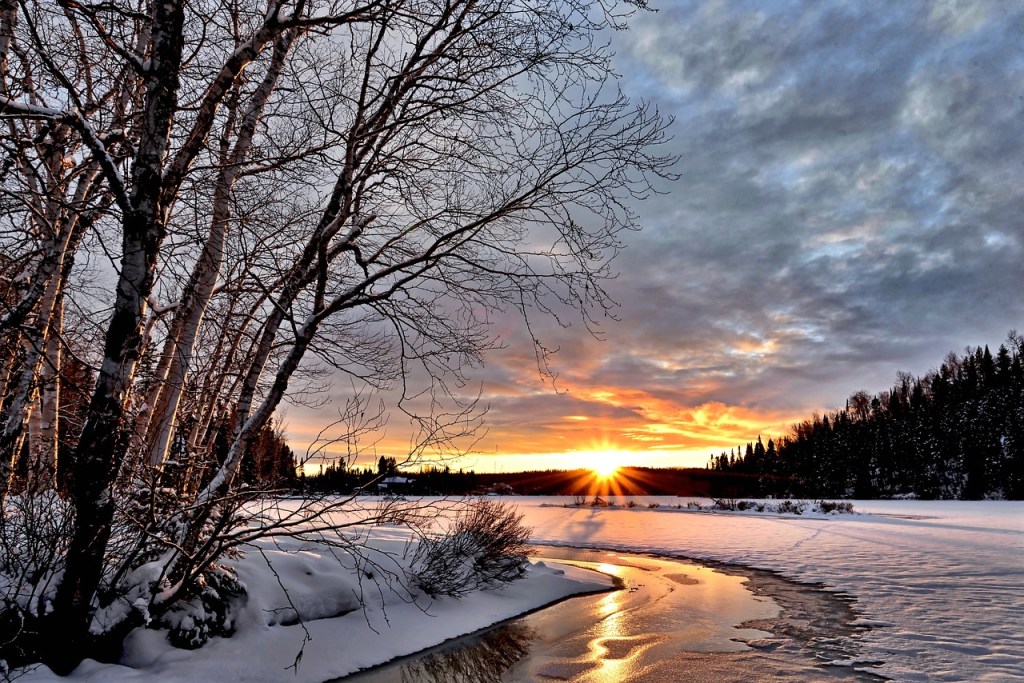
Winter camping in Canada can be an amazing experience if you stay warm and comfortable. Here are some key tips:
Proper clothing and layering: Dressing in layers is essential for winter camping. Start with a moisture-wicking base layer to keep sweat away from your skin. Add an insulating layer like fleece or down to retain body heat. Finally, top it off with a waterproof and windproof outer layer to protect against the elements. Don’t forget warm accessories like hats, gloves, and thermal socks. Products like the Merino Wool Base Layer Set and the Columbia Men’s Frost Fighter Insulated Jacket are great options.
Using the right sleeping bag: A high-quality sleeping bag rated for cold temperatures is crucial. Look for one that is rated at least 10 degrees lower than the lowest temperature you expect to encounter. The Teton Sports Celsius XXL sleeping bag is a popular choice for winter campers due to its warmth and roomy design. Pair it with an insulated sleeping pad like the Therm-a-Rest NeoAir XTherm to add an extra layer of warmth between you and the cold ground.
Best Locations
Kluane National Park, Yukon: Kluane National Park is a winter wonderland, offering stunning landscapes and plenty of snow. The park is home to Mount Logan, Canada’s highest peak, and provides excellent opportunities for snowshoeing, cross-country skiing, and winter hiking. Kathleen Lake Campground is a great spot for winter camping, offering basic facilities and breathtaking views.
Riding Mountain National Park, Manitoba: This park is another fantastic winter camping destination. Riding Mountain offers a mix of forested areas and open plains, creating beautiful winter scenery. The park’s designated winter camping sites provide a unique experience with the chance to see wildlife like elk and bison. Enjoy activities like snowshoeing on the Moon Lake Trail or skating on Clear Lake.
Both of these parks offer unique winter experiences, from the rugged beauty of the Yukon to the serene landscapes of Manitoba. They are well-equipped for winter adventurers looking for a true Canadian winter experience.
Safety Precautions
Winter camping comes with its own set of challenges, so it’s important to follow safety precautions:
Handling snow and ice: Navigating snowy and icy conditions can be tricky. Always carry traction devices like microspikes or crampons for your boots to prevent slipping. Trekking poles can also help with balance and stability. It’s essential to clear snow away from your tent area to create a solid, level surface to sleep on.
Staying safe in extreme cold: Hypothermia and frostbite are serious risks in winter camping. Keep an eye on your body temperature and avoid staying out in the cold for too long without breaks. Make sure to stay hydrated and eat high-energy foods to keep your body fueled. Portable hand warmers, like HotHands, can provide quick warmth in an emergency.
Additionally, always inform someone of your camping plans and expected return time. A reliable communication device, like the Garmin inReach Mini, is a valuable tool for emergencies, especially in remote areas with no cell service.
By following these tips and choosing the right gear, you can enjoy a safe and memorable winter camping experience in Canada. Embrace the beauty and tranquility of the snowy landscapes, and create unforgettable memories with your family and friends.
Monthly Breakdown: Best Times to Camp
January to March
Winter camping is best suited for those who enjoy the cold and the beauty of snow-covered landscapes. This time of year is perfect for winter camping enthusiasts who are equipped with the right gear and knowledge.
Ideal locations and activities: In January, head to Kluane National Park in Yukon, where you can experience the serene beauty of snow-covered mountains and frozen lakes. Activities like snowshoeing and cross-country skiing are popular here. Another great destination is Riding Mountain National Park in Manitoba, where you can enjoy winter hiking and the chance to see wildlife in their winter habitats.
In February, consider Jasper National Park in Alberta, which offers a variety of winter sports and the Jasper in January festival. By March, Fundy National Park in New Brunswick begins to transition to spring, providing a mix of snowy and early spring conditions, perfect for those who want a taste of both seasons.
April to June
Spring is a wonderful time to camp, with blooming flowers and milder temperatures. It’s ideal for those who prefer fewer crowds and the fresh, invigorating feel of the season.
Spring camping highlights: April is great for visiting Algonquin Park in Ontario, known for its beautiful spring flowers and active wildlife. This is a prime time for birdwatching and spotting animals coming out of hibernation.
In May, head to Pacific Rim National Park in British Columbia. The coastal scenery is stunning with the fresh spring blooms, and you can enjoy the quieter trails before the summer rush.
June is perfect for camping in Prince Edward Island National Park, PEI, where you can enjoy the mild weather and blooming wildflowers. The beaches start to warm up, making it a pleasant time for coastal walks and exploring the dunes.
July to September
Summer is the peak camping season, offering the warmest weather and the longest days. It’s perfect for family trips and exploring Canada’s vast landscapes.
Popular destinations and tips: July is an excellent time to visit Banff National Park in Alberta. The park is bustling with activity, and you can enjoy hiking, canoeing, and taking in the breathtaking views of the Rockies. Just be sure to book your campsite well in advance due to high demand.
In August, Jasper National Park in Alberta is a great choice, offering slightly fewer crowds than Banff but with equally stunning scenery and outdoor activities.
September is ideal for visiting Fundy National Park in New Brunswick. The weather is still warm, and you can experience the dramatic tides and beautiful coastal trails. As summer winds down, the parks are less crowded, making for a more peaceful experience.
October to December
Fall and early winter camping can be incredibly rewarding, with crisp air and stunning autumn colors. It’s a great time for those who enjoy quieter campsites and cooler weather.
Best spots for autumn foliage and early snow: October is prime time for visiting Cape Breton Highlands in Nova Scotia. The Cabot Trail offers some of the best fall foliage views in the country, and the cooler weather is perfect for hiking.
In November, Prince Edward Island National Park, PEI, remains a beautiful spot for fall camping. The crowds have thinned out, and you can enjoy the serene beaches and trails in a peaceful setting.
By December, winter starts to set in, and Riding Mountain National Park in Manitoba offers a transition to winter camping. The early snow creates a picturesque setting, and you can enjoy activities like snowshoeing and early winter hikes.
By choosing the right times and places to camp, you can experience the best of what each season has to offer in Canada. Whether you prefer the warmth of summer or the quiet beauty of winter, there’s a perfect camping adventure waiting for you.
Special Considerations for Each Province
Ontario
Ontario offers a diverse range of camping experiences throughout the year. In the summer, head to Algonquin Provincial Park for canoeing and wildlife spotting. Fall is perfect for a visit to Killarney Provincial Park to enjoy the stunning autumn colors and hike “The Crack.” Winter campers can explore Arrowhead Provincial Park, which offers winter camping with trails for snowshoeing and ice skating. Spring is ideal for visiting Bon Echo Provincial Park to see the beautiful blooms and enjoy the quieter trails.
Alberta
Alberta is known for its breathtaking Rocky Mountain camping experiences. In the summer, Banff National Park offers incredible hiking trails, crystal-clear lakes, and abundant wildlife. Jasper National Park is great for fall camping, with fewer crowds and stunning scenery. For winter adventures, Kananaskis Country provides excellent opportunities for snowshoeing and cross-country skiing. Springtime is perfect for exploring Waterton Lakes National Park, where you can see the park’s diverse flora and fauna coming to life.
British Columbia
British Columbia boasts both coastal and mountain camping spots. In the summer, Pacific Rim National Park Reserve is perfect for beachside camping and whale watching. Garibaldi Provincial Park is ideal for fall, offering scenic hikes and stunning alpine views. Winter camping can be enjoyed in Mount Seymour Provincial Park, where you can go snowshoeing and enjoy the snowy landscapes. Spring is great for visiting Golden Ears Provincial Park, known for its lush forests and waterfalls.
Quebec
Quebec’s unique provincial parks offer a variety of seasonal activities. In the summer, Mont-Tremblant National Park is perfect for hiking and water activities. Fall is best experienced in Jacques-Cartier National Park, where the vibrant fall foliage is breathtaking. Winter camping can be enjoyed in Parc National de la Gaspésie, with its snow-covered peaks and opportunities for winter sports. Springtime is ideal for visiting Parc National du Mont-Mégantic, where you can enjoy the fresh spring air and blooming flowers.
By considering the unique features and seasonal highlights of each province, you can choose the best time and place for your camping adventure in Canada. Whether you prefer the vibrant fall colors, the quiet beauty of winter, or the fresh blooms of spring, there is a perfect camping spot waiting for you in each province.
Finding Your Perfect Camping Season in Canada
Camping in Canada offers incredible experiences year-round, from the vibrant colors of fall to the snowy serenity of winter. Each season has its unique advantages, making it possible to enjoy outdoor adventures no matter when you decide to go camping. Summer is perfect for those who love warm weather and longer days, while spring and fall provide cooler temperatures and stunning natural beauty. Winter camping offers a peaceful and magical experience for those prepared to brave the cold.
Exploring different seasons can give you a deeper appreciation of Canada’s diverse landscapes and climates. Whether you prefer the bustling activity of summer or the quiet solitude of winter, there is always something new to discover. Trying out camping in various seasons helps you find your favorite time to connect with nature and enjoy outdoor activities.
We invite you to share your own tips and experiences for camping in different seasons. Your insights can help fellow campers make the most of their adventures. Feel free to leave your thoughts and stories in the comments section below.

 Canadian Camping Life
Leave a comment