Planning a multi-day hiking trip in Canada can be an exciting and rewarding experience. Multi-day hikes allow you to immerse yourself in nature, challenge yourself physically, and create lasting memories with friends or family. The key to a successful hiking trip is thorough planning.
One of the main benefits of multi-day hiking is the chance to explore remote areas that you can’t reach on a day hike. You get to enjoy stunning landscapes, from towering mountains to serene lakes and lush forests. However, these trips also come with challenges. You need to be prepared for changing weather conditions, carry all your gear, and ensure you have enough food and water.
Canada’s diverse landscapes offer endless opportunities for multi-day hikes. Whether you’re trekking through the Rockies, exploring coastal trails, or discovering hidden gems in national parks, there’s something for everyone. The beauty of these varied environments makes the effort of planning and preparation worthwhile. With the right approach, you can enjoy a safe, enjoyable, and unforgettable hiking adventure in Canada.
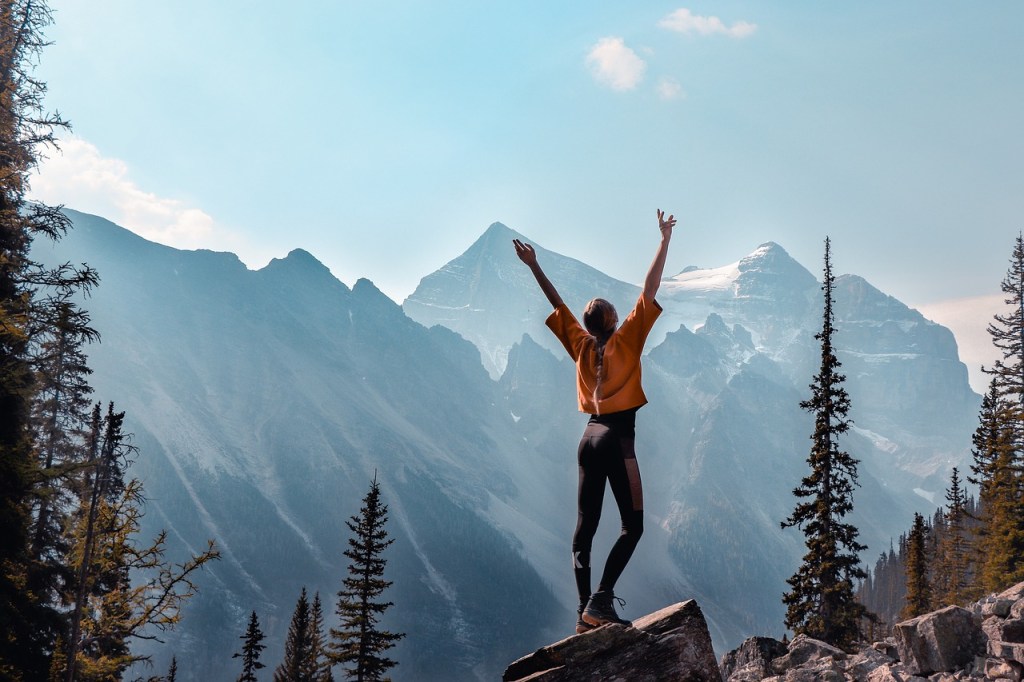
Choosing the Right Trail for Your Hiking Trip
Choosing the right trail is a crucial part of planning a multi-day hiking trip in Canada. Here are some important factors to consider:
Difficulty Level, Distance, and Elevation Gain
First, assess the difficulty level of the trail. Consider your physical fitness and experience. Some trails are better suited for seasoned hikers, while others are perfect for beginners. Distance and elevation gain are also key factors. A longer trail with significant elevation gain will be more challenging and require more preparation and endurance. Make sure the trail you choose matches your ability and fitness level.
Popular Multi-Day Backpacking Trails in Canada
Canada is home to many amazing trails. Here are a few popular ones:
West Coast Trail
Located in British Columbia, the West Coast Trail is a famous multi-day backpacking trail in the Pacific Rim National Park Reserve. It spans 75 km and is known for its stunning coastal views and challenging terrain. This trail involves climbing over 100 ladder systems, trekking through deep mud, crossing fast-flowing rivers, and enduring rough weather, including heavy wind and rain. Before embarking on this hike, it’s essential to understand the physical demands and necessary preparations. Hikers must watch a mandatory safety primer video and receive updates on tides, weather, and trail conditions during registration. Reservations can be made starting January 22, 2024.
Bruce Trail
Stretching over 890 km from Niagara to Tobermory in Ontario, the Bruce Trail offers diverse landscapes, including forests, waterfalls, and cliffs. As Canada’s oldest and longest marked footpath, it connects hikers to the wonders of the Niagara Escarpment. The Bruce Trail Conservancy works to protect and preserve this natural wonder. The trail is marked with blazes to guide hikers, and it’s important to follow the Bruce Trail Users’ Code to ensure a safe and enjoyable experience. The trail is accessible to explorers of all ages and provides various ways to explore, including hiking, birding, and photography.
East Coast Trail
The East Coast Trail in Newfoundland and Labrador covers over 300 km and features beautiful coastal scenery, including sea stacks, lighthouses, and wildlife. The trail takes you past towering cliffs, deep fjords, a natural wave-driven geyser called the Spout, and historic sites. With 25 paths to explore, it offers a range of experiences from easy to strenuous hikes. The East Coast Trail Association maintains the trail and encourages support for its maintenance, development, and protection.
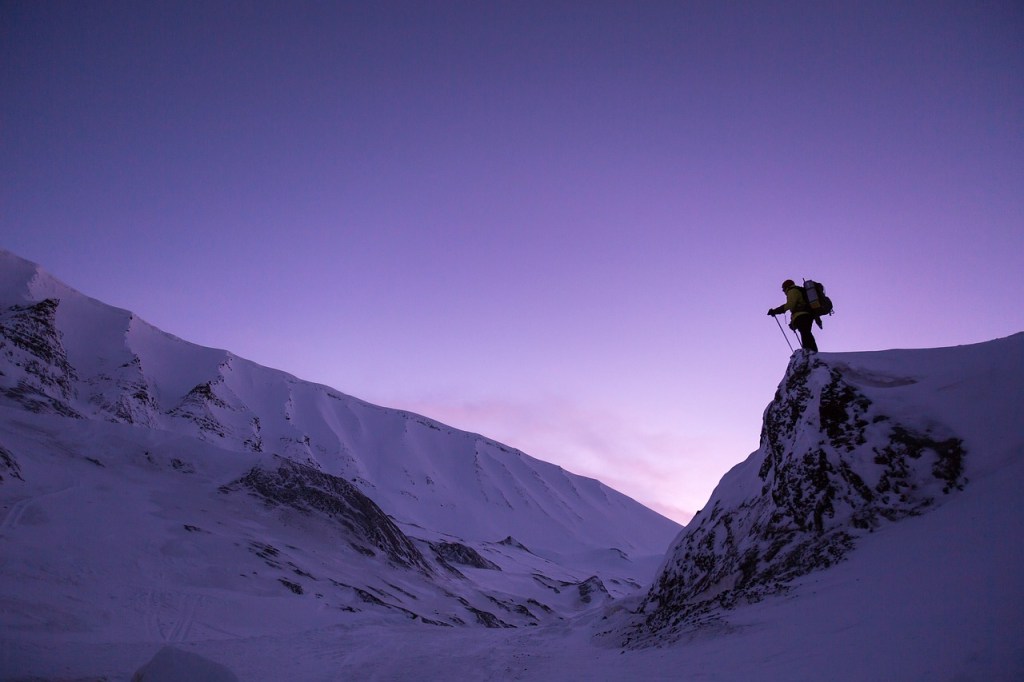
West Coast Trail: Hike of a Lifetime
The West Coast Trail, located on Vancouver Island in British Columbia, is an iconic backcountry, multi-day backpacking trail that even experienced hikers find challenging. Hikers climb more than 100 ladder systems with heavy packs, trudge through deep mud, wade through fast-flowing rivers, and endure rough West Coast weather, which often includes heavy wind and rain. Before deciding to reserve a spot on the West Coast Trail, it’s important that you and your group fully understand what to expect on the journey.
Important Updates for 2024
Hiker safety is a top priority. In 2024, a mandatory West Coast Trail Hiker Primer Video is available online and at orientation centers. Viewing this video is crucial for your well-being and safety throughout your hike. The video covers essential information on tides, weather conditions, human-wildlife coexistence, trail maintenance, and more. Additionally, during the registration process at the trailheads, staff will provide updates and necessary permits.
Reservations
To reserve, call 1-877-RESERVE or visit www.reservation.pc.gc.ca. Make sure to plan ahead, as spots fill up quickly for this popular trail.
Preparation Guide
The West Coast Trail is not for everyone. It requires physical fitness, proper gear, and an understanding of the challenges involved. There are strict guidelines on who will be issued a permit to hike on this trail.
If you find this trail is not for you, here are some alternative options to consider:
- Juan de Fuca Provincial Park and Marine Trail, located on Vancouver Island, BC
- Strathcona Provincial Park, also on Vancouver Island, BC
- Wild Pacific Trail in Ucluelet, BC
- Wild Side Trail on Flores Island, Ahousaht, BC
- Jasper National Park in Alberta
- Banff National Park, also in Alberta
- Bruce Peninsula National Park in Southern Ontario
Download the West Coast Trail Hiker Preparation Guide for detailed information on what to expect and how to prepare for this adventure.
Bruce Trail: Experience the Niagara Escarpment
The Bruce Trail connects you to the wonders of the Niagara Escarpment with over 900 km of main trail and 450 km of side trails. It offers diverse landscapes, including cobble beaches, open meadows, waterfalls, rocky crevices, and old-growth forests.
Trail Navigation and Safety
The trail is marked with painted rectangles called blazes to guide hikers. Follow these blazes and use a map or the Bruce Trail App to navigate. The Bruce Trail Conservancy encourages hikers to follow the Bruce Trail Users’ Code to ensure safety and respect for the environment.
Supporting the Trail
The Bruce Trail Conservancy relies on members, volunteers, and donors to maintain the trail and protect the Niagara Escarpment. Joining an organized hike or supporting the conservancy through membership helps preserve this natural treasure.
East Coast Trail: Explore Newfoundland’s Coastline
The East Coast Trail offers 336 km of wilderness paths along North America’s easternmost coastline. It combines wilderness hiking with historic communities, taking you past towering cliffs, sea stacks, deep fjords, and more.
Trail Highlights
The trail features attractions such as the Spout, a natural wave-driven geyser, and historic sites. The East Coast Trail Association maintains the trail and offers support for hikers through advisories and events.
Supporting the Trail
With over 14,000 visitors completing 65,000 hikes a year, the East Coast Trail relies on support for maintenance and development. Donations and participation in events like the Trail Raiser Community Hike help keep the trail in excellent condition.
Explore these stunning trails and experience the diverse beauty of Canada’s landscapes. Whether you choose the challenging West Coast Trail, the historic Bruce Trail, or the scenic East Coast Trail, you’re in for an unforgettable adventure. Happy hiking!
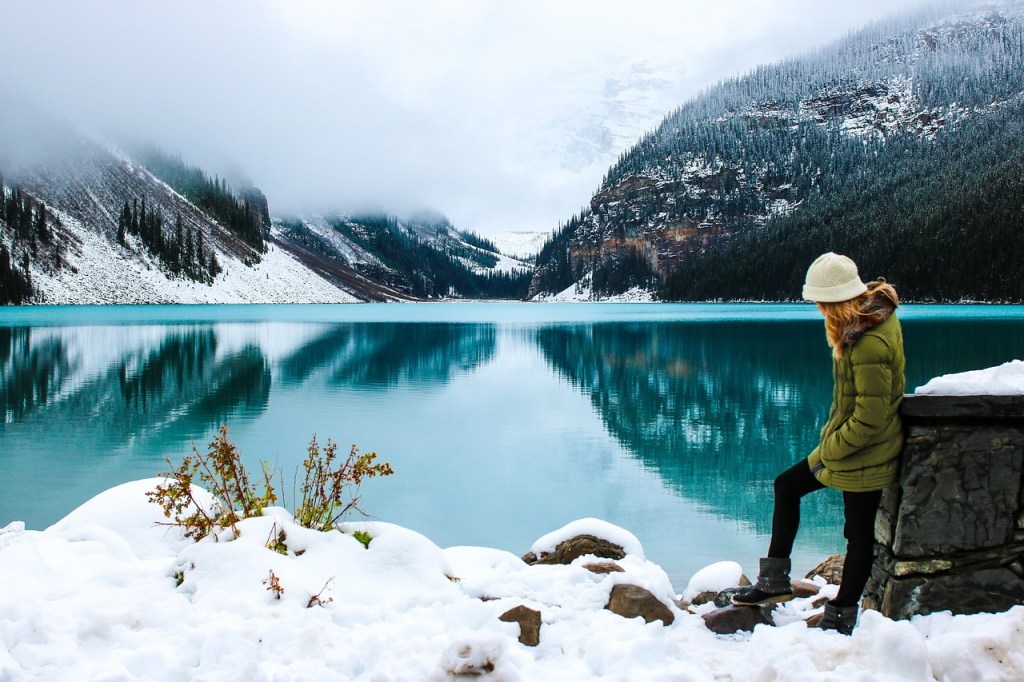
Planning Your Canadian Backpacking Trip Itinerary
When planning your itinerary for a multi-day hiking trip in Canada, it’s important to break down the hike into manageable days. Here are some tips to help you plan effectively:
Consider the Time of Year and Weather Conditions
The time of year and weather conditions play a significant role in planning your hike. Some trails are best hiked in summer when the weather is warm and the days are longer. Others may be accessible in spring or fall. Always check the weather forecast before you leave and be prepared for sudden changes. In Canada, weather can be unpredictable, so pack accordingly and be ready to adapt.
By considering these factors, you can choose a trail that offers a rewarding and enjoyable multi-day hiking experience in Canada’s beautiful outdoors.
How to Break Down the Hike into Manageable Days
Start by researching the total distance of your chosen trail. Divide this distance by the number of days you have planned for your hike. For example, if you have a 50 km trail and plan to hike for 5 days, aim to cover about 10 km per day. Adjust this based on the difficulty of the terrain and your fitness level. Remember to factor in rest days if needed.
Estimating Hiking Times and Distances
A good rule of thumb is to estimate hiking times based on an average speed of 3-5 km per hour. This can vary greatly depending on the terrain, weather, and the weight of your backpack. Steeper or more rugged sections will take longer. Use maps and trail guides to estimate the time required for each section of the trail. Apps and GPS devices can also be helpful for more accurate planning.
Planning Rest Stops and Overnight Locations
Identify suitable rest stops and overnight locations along the trail. Look for designated campsites, shelters, or flat areas where you can set up camp. National and provincial parks often have established campsites with facilities such as water sources and toilets. Plan your days so that you reach these points with enough time to set up camp and relax before nightfall.
Consider the availability of water sources when choosing your overnight locations. Make sure you have access to water for drinking, cooking, and cleaning. Also, take note of any potential hazards like wildlife or harsh weather conditions that might affect your chosen spots.
By carefully planning your itinerary, you can ensure a smooth and enjoyable multi-day hiking trip in Canada.

Packing Essentials for Multi-Day Trip Hikes
Packing the right gear is essential for a successful multi-day hiking trip in Canada. Here are some must-have items and recommendations:
Must-Have Gear for a Multi-Day Hike
- Backpack: A comfortable and sturdy backpack is crucial. The Osprey Atmos AG 65 is a popular choice due to its anti-gravity suspension and adjustable harness, making it perfect for long hikes.
- Tent: A lightweight, durable tent is essential. The MSR Hubba Hubba NX 2-Person Tent is known for its easy setup, weather resistance, and compact design, making it ideal for Canadian weather conditions.
- Sleeping Bag: Choose a sleeping bag that suits the lowest temperatures you expect. The Therm-a-Rest Questar 20F/-6C is a great option, offering warmth, comfort, and packability.
- Sleeping Pad: A sleeping pad adds comfort and insulation. The Therm-a-Rest NeoAir Xlite is lightweight and packs down small, providing excellent support.
- Cooking Equipment: A portable stove like the Jetboil Flash Cooking System is efficient and easy to use. Combine it with a lightweight cookware set like the GSI Outdoors Pinnacle Camper Cookset for cooking meals on the trail.
Clothing Recommendations
- Layering: Layering is key to staying comfortable. Start with a moisture-wicking base layer like the Icebreaker Merino 200 Oasis. Add an insulating layer such as the Patagonia Nano Puff Jacket for warmth, and finish with a waterproof and windproof outer layer like the Arc’teryx Beta AR Jacket.
- Weather-Appropriate Attire: Be prepared for all weather conditions. Pack a hat, gloves, and extra socks. Merino wool socks like those from Darn Tough are great for hiking, as they wick moisture and prevent blisters.
- Footwear: Good hiking boots are essential. The Salomon Quest 4D 3 GTX boots are a popular choice for their support, durability, and waterproofing.
Importance of Lightweight and Multi-Functional Items
Choosing lightweight and multi-functional gear can make your hike more enjoyable. For example, a jacket that doubles as a pillow or a cooking pot that can be used for both boiling water and eating meals saves space and reduces weight. The Sea to Summit Alpha Pot is a versatile option that’s lightweight and durable.
By packing smartly with these essentials, you’ll be well-prepared for a memorable multi-day hiking trip in Canada. Happy hiking!
Food and Water Preparation
Preparing food and water for a multi-day hiking trip in Canada is crucial for staying energized and hydrated. Here’s how to plan your meals and ensure you have safe drinking water:
Meal Planning for Multi-Day Hikes
When planning meals, focus on lightweight, non-perishable foods that are easy to prepare. Here are some ideas:
- Breakfast: Instant oatmeal packets are a great option. They are light, easy to cook, and provide a good energy boost. You can also bring powdered milk and dried fruit to add to your oatmeal.
- Lunch: Tortillas with peanut butter or cheese are convenient and packable. Add some trail mix or granola bars for extra energy.
- Dinner: Freeze-dried meals are popular for hiking trips. Brands like Mountain House offer a variety of tasty options that only require hot water. Alternatively, pack instant noodles or pasta with dehydrated vegetables and a protein source like canned tuna or chicken.
Snacks: Keep your energy up with snacks like nuts, dried fruit, energy bars, and jerky. These are easy to carry and provide quick energy.
Cooking Tips: A portable stove like the Jetboil Flash Cooking System is perfect for heating water quickly. Don’t forget to bring lightweight cookware and utensils.
Water Sources and Purification Methods
Reliable water sources are essential. Plan your route to include streams, rivers, or lakes. Always purify water before drinking. Here are some popular methods:
- Water Filters: The Sawyer Mini Water Filtration System is compact and effective, as are LifeStraw Personal Water Filters.
- Purification Tablets: Aquatabs are lightweight and easy to use, making water safe to drink in about 30 minutes.
- UV Purifiers: The SteriPEN Adventurer Opti uses UV light to kill bacteria and viruses, purifying water quickly.
Importance of Balancing Nutrition and Weight
When packing food, aim for a balance of carbohydrates, proteins, and fats to keep your energy levels stable. Choose high-calorie, nutrient-dense foods that don’t weigh much. This balance ensures you get the nutrition you need without carrying too much weight, making your hike more enjoyable.
By planning your meals and water carefully, you can stay fueled and hydrated throughout your multi-day hiking trip in Canada.

Backpacking Canada: Safety and Emergency Preparedness
Staying safe on your multi-day hiking trip in Canada is a top priority. Here’s how to create a solid safety plan and ensure you’re prepared for emergencies:
Creating a Safety Plan
Before setting out, inform a friend or family member of your backpacking itinerary. Provide them with details of your planned route, expected return date, and check-in points. This way, if something goes wrong, they can alert authorities.
Carry a detailed map of the area and a reliable compass. While GPS devices are handy, they can fail due to battery issues or signal problems. Knowing how to navigate with a map and compass is a crucial skill.
First Aid Kit Essentials and Basic First Aid Knowledge
A well-stocked first aid kit is essential for any hiking trip. Here are some must-have items:
- Adhesive bandages in various sizes
- Sterile gauze pads and adhesive tape
- Antiseptic wipes and antibiotic ointment
- Tweezers, scissors, and safety pins
- Pain relievers like ibuprofen or acetaminophen
- Blister treatment, such as moleskin
- An emergency blanket
You can find comprehensive kits like the Adventure Medical Kits Ultralight/Watertight .7 on Amazon.ca, which is compact and well-equipped for multi-day backpacking.
Having basic first aid knowledge is also important. Know how to treat common hiking injuries like cuts, blisters, sprains, and insect bites. Taking a basic first aid course can be very beneficial.
Emergency Communication Devices
In remote areas, mobile phone coverage can be unreliable. Consider carrying an emergency communication device to ensure you can call for help if needed:
- Satellite Phones: These phones work anywhere and are a reliable way to communicate in emergencies. The Garmin inReach Mini is a popular choice for its compact size and two-way messaging capabilities.
- Personal Locator Beacons (PLBs): These devices send out a distress signal to emergency services, indicating your location. The ACR ResQLink View is a highly-rated PLB that can be a lifesaver in critical situations.
By creating a safety plan, packing a first aid kit, and carrying reliable communication devices, you can be well-prepared for any emergency on your multi-day hiking trip in Canada. Stay safe and enjoy the adventure!
Physical Preparation and Training
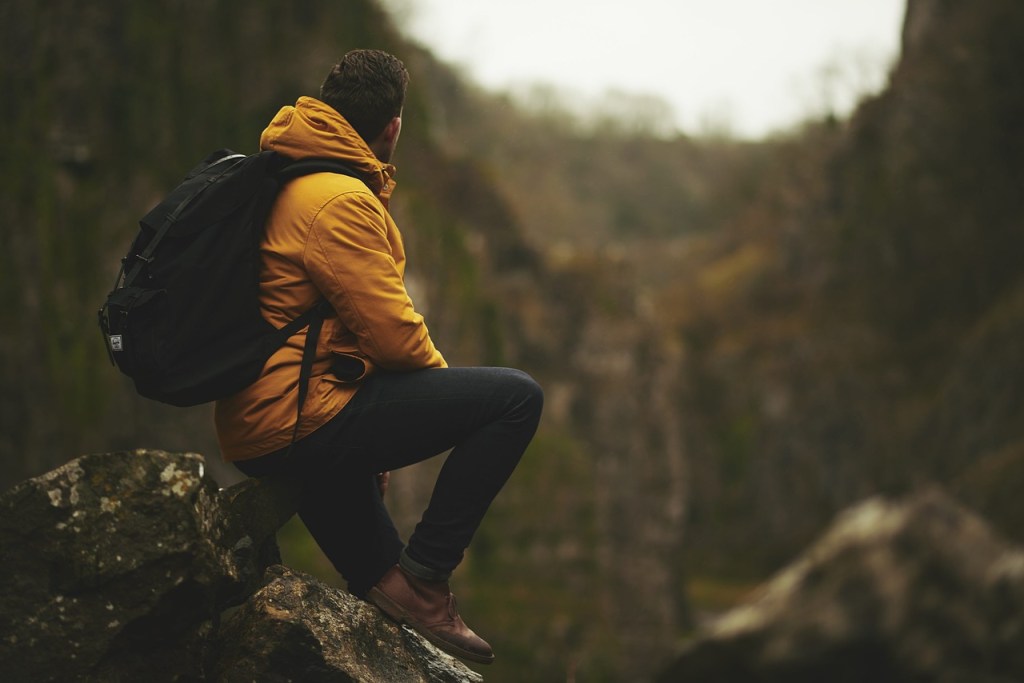
Preparing your body for a multi-day hiking trip in Canada is crucial for a successful and enjoyable experience. Here’s how to get ready:
Importance of Physical Fitness for Multi-Day Hikes
Physical fitness plays a key role in multi-day hiking. Being fit helps you handle the physical demands of hiking for several days, carrying a heavy backpack, and navigating challenging terrain. Good fitness levels also reduce the risk of injuries and fatigue, allowing you to enjoy the hike more.
Training Tips: Building Endurance, Strength, and Flexibility
To prepare for your hike, focus on building endurance, strength, and flexibility:
- Endurance: Start by incorporating regular cardio workouts like walking, jogging, cycling, or swimming into your routine. Gradually increase the duration and intensity of these workouts to build stamina.
- Strength: Strength training helps you carry your backpack more comfortably. Focus on exercises that target your legs, core, and upper body. Squats, lunges, planks, and push-ups are excellent choices. Consider using resistance bands or weights to enhance your workouts.
- Flexibility: Stretching improves your flexibility and reduces the risk of injuries. Incorporate a regular stretching routine, focusing on your legs, back, and shoulders. Yoga can be particularly beneficial for improving flexibility and balance.
Practice Hikes and Testing Gear Before the Trip
Doing practice hikes is a great way to prepare. Start with shorter hikes and gradually increase the distance and difficulty. Practice hikes help you build endurance and strength, and they allow you to get used to carrying your backpack.
Testing your gear before the trip is also important. Wear the clothing and footwear you plan to use, and ensure they are comfortable and suitable for long hikes. Pack your backpack with the gear you’ll bring and hike with it to get used to the weight and adjust the fit as needed.
By focusing on physical preparation and training, you can ensure that you’re ready for the challenges of a multi-day hiking trip in Canada. Being fit and well-prepared will make your adventure more enjoyable and memorable. Happy hiking!
Navigation and Trail Skills
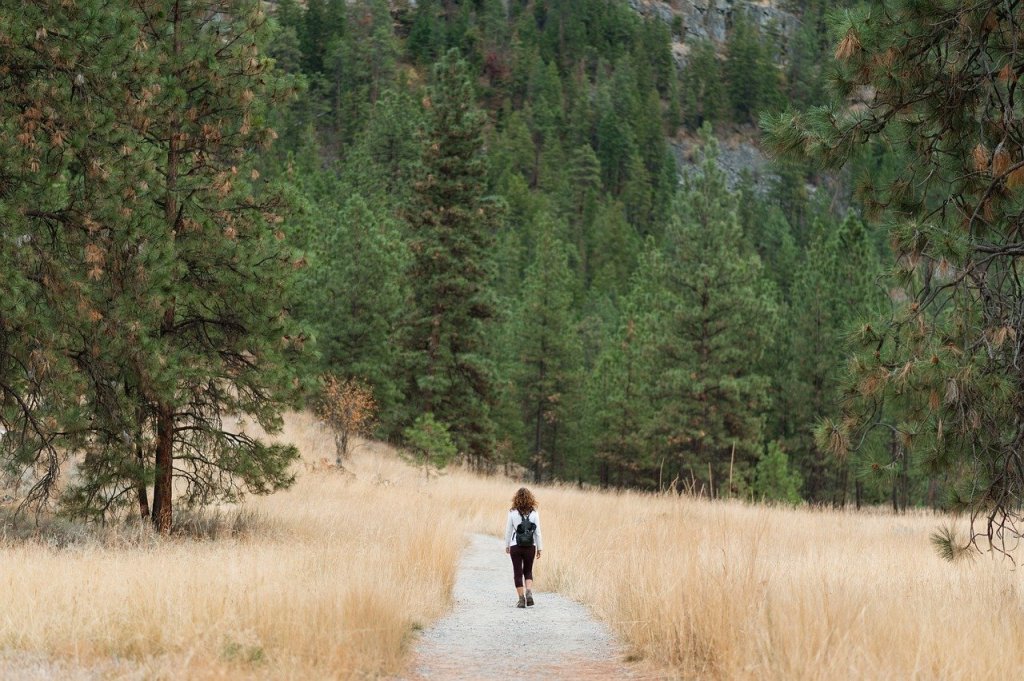
Proper navigation skills are crucial for a successful multi-day hiking trip in Canada. Here are some basics to help you stay on track:
Basics of Navigation: Reading Maps, Using a Compass, GPS Devices
Understanding how to read a map and use a compass is essential. Start by familiarizing yourself with topographic maps, which show elevation changes and terrain features. Learn to identify key landmarks and understand the map’s scale.
A compass is a reliable tool for navigation. The Suunto MC-2 Compass is a great choice for its accuracy and durability. Practice using the compass with your map to set bearings and navigate through unfamiliar terrain.
GPS devices are also useful for hiking. The Garmin eTrex 22x is popular for its user-friendly interface and reliable performance. While GPS devices can be very helpful, always carry a map and compass as backups in case the device fails.
Understanding Trail Markers and Signs
Trail markers and signs are your guides along the path. Familiarize yourself with the types of markers used in Canadian parks, such as painted blazes on trees or rocks, cairns (piles of stones), and official trail signs. Pay attention to these markers to stay on the correct trail.
Techniques for Staying on the Trail and Avoiding Getting Lost
To avoid getting lost, stick to marked trails and avoid shortcuts. Regularly check your map and compass or GPS to ensure you’re on the right path. If you need to leave the trail, use landmarks to mark your location and take note of your direction.
Stay aware of your surroundings and make mental notes of significant features. If you do lose your way, stay calm. Retrace your steps to the last known point and try to reorient yourself using your map and compass or GPS.
By mastering these navigation and trail skills, you can confidently explore the beautiful hiking trails of Canada and ensure a safe and enjoyable adventure.

Leave No Trace Principles
Respecting nature and minimizing your impact is essential when hiking, especially on a multi-day trip. By following Leave No Trace principles, we can help preserve the natural beauty of Canada’s trails for future generations.
Importance of Respecting Nature and Minimizing Your Impact
When you hike, you become part of the environment. Your actions can either harm or protect the wilderness. By minimizing your impact, you help maintain the pristine condition of natural areas, ensuring that wildlife can thrive and that other hikers can enjoy the same beauty you do.
Key Principles
- Dispose of Waste Properly: Pack out everything you bring in, including food scraps and litter. Use biodegradable soap and dispose of wastewater at least 200 feet away from streams or lakes. Consider using a portable toilet or waste bag for human waste.
- Respect Wildlife: Observe animals from a distance and do not feed them. Feeding wildlife can harm their health, alter natural behaviors, and expose them to predators. Keep your food and trash secured to prevent attracting animals.
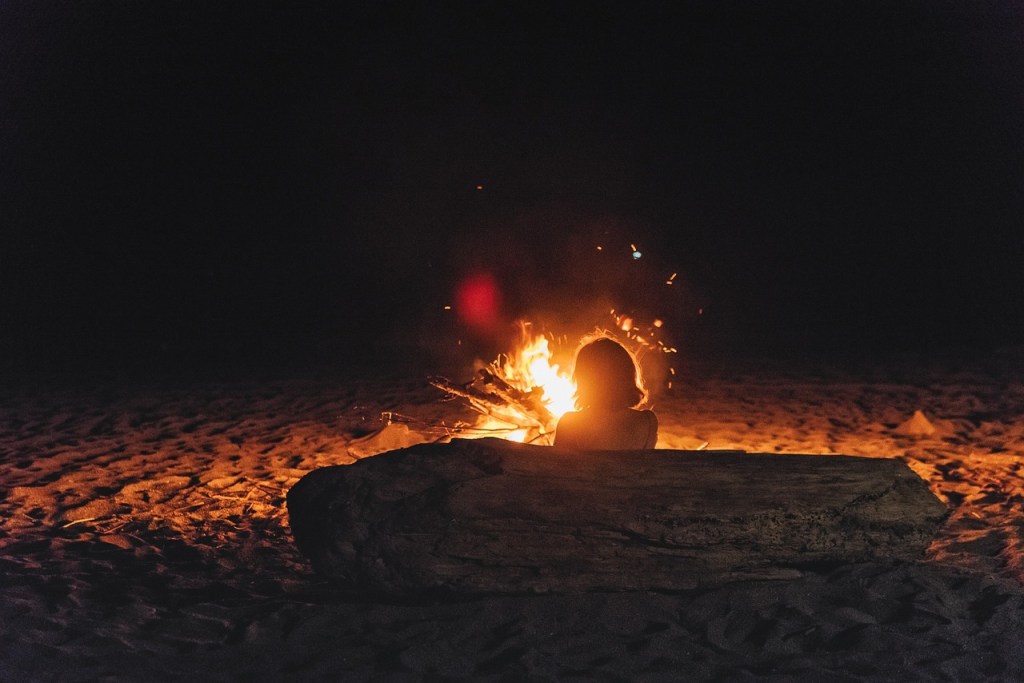
- Minimize Campfire Impact: Use a camp stove for cooking instead of a fire. If you must have a fire, use established fire rings and keep fires small. Burn all wood and coals to ash, and put out campfires completely before leaving.
Encouraging Eco-Friendly Practices Among Fellow Hikers
Lead by example and share Leave No Trace principles with other hikers. Encourage others to follow these guidelines and explain why they are important. By fostering a community of responsible hikers, we can collectively protect our natural spaces.
Throughout this blog, we will reiterate the importance of Leave No Trace principles. These practices ensure that Canada’s beautiful hiking trails remain unspoiled for everyone to enjoy. Remember, every small action counts when it comes to protecting the environment.

Best Practices for Campsite Selection
Choosing the right campsite is crucial for a safe and comfortable multi-day hiking trip in Canada. Here’s how to select and set up a great campsite:
Choosing a Safe and Suitable Campsite
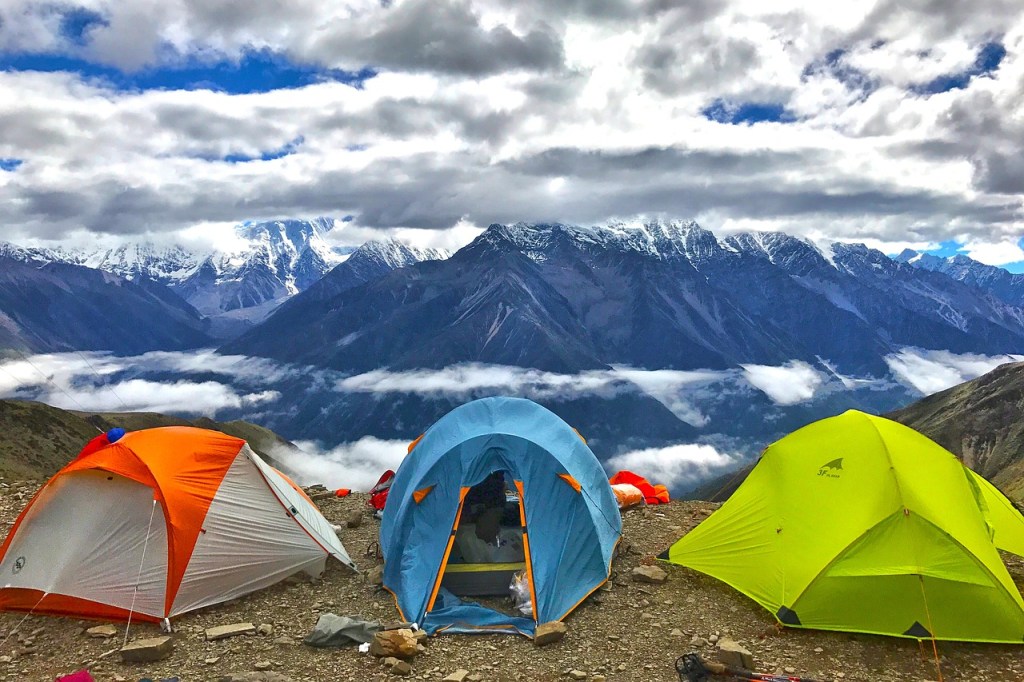
When selecting a campsite, look for flat ground that is free of rocks and roots to ensure a comfortable sleeping area. Avoid setting up too close to water sources like rivers or lakes, as these areas can be prone to flooding and attract wildlife. Instead, choose a site at least 200 feet away from water. Look for natural shelters like trees or rocks that can provide some protection from wind and rain.
Setting Up Your Tent and Camp Efficiently
Once you’ve chosen your site, set up your tent on the flattest part of the ground. Make sure the tent is properly staked and guy lines are secured to prevent it from blowing away in strong winds.
Organize your camp efficiently by designating areas for cooking, sleeping, and waste management. Keep your cooking area downwind and at least 100 feet from your tent to avoid attracting animals. Use a lightweight, portable stove for easy and efficient meal preparation.
Camp Hygiene and Waste Management
Maintaining hygiene at your campsite is essential. Use biodegradable soap for washing dishes and yourself, and dispose of wastewater at least 200 feet from water sources. A compact hygiene kit, such as the Sea to Summit Pocket Shower, can be very useful.
For waste management, pack out all trash and food scraps. Use a bear-proof canister, like the Ursack Major Bear Resistant Sack, to store food and scented items. Follow Leave No Trace principles by using established toilet facilities where available, or dig a cathole at least 6-8 inches deep and 200 feet from water sources and trails if needed.
By following these best practices, you can ensure a safe, clean, and enjoyable camping experience on your multi-day hiking trip in Canada.
Weather Considerations and Adaptability
Preparing for different weather conditions is crucial when planning a multi-day hiking trip in Canada. Here’s how to stay safe and comfortable no matter what Mother Nature throws your way:
Preparing for Different Weather Conditions
- Rain: Rain is common in many parts of Canada, so be sure to pack a reliable rain jacket, like the Columbia Watertight II. Waterproof pants and gaiters can also help keep you dry. Pack a lightweight tarp or rainfly to cover your campsite and gear.
- Snow: If you’re hiking in areas where snow is possible, bring insulated clothing and a four-season tent. The Marmot Trestles 15 Sleeping Bag is a good option for colder weather. Pack extra layers, including thermal base layers, gloves, and a hat.
- Heat: In warmer weather, staying cool and hydrated is key. Wear breathable, moisture-wicking clothing and a wide-brimmed hat to protect from the sun. A hydration system like the CamelBak Crux Reservoir is essential for easy access to water.
Importance of Flexible Planning and Adapting to Changing Conditions
Weather can be unpredictable, so having a flexible plan is important. Check the weather forecast before you leave and be prepared to change your route or itinerary if conditions become unsafe. Always have a backup plan for shelter and know the locations of safe spots along your trail where you can wait out bad weather.
Strategies for Staying Comfortable and Safe in Various Weather Scenarios
- Layering: Dress in layers that you can add or remove as needed to regulate your body temperature. Start with a moisture-wicking base layer, add an insulating layer, and finish with a waterproof outer layer.
- Stay Dry: Keeping dry is essential for staying warm. Pack extra socks and clothes in waterproof bags like the Sea to Summit Lightweight Dry Sacks.
- Sun Protection: Use sunscreen, sunglasses, and protective clothing to avoid sunburn and heat exhaustion.
By preparing for different weather conditions and staying adaptable, you can enjoy a safe and comfortable multi-day hiking trip in Canada.
Your Adventure Awaits: Embrace the Canadian Wilderness
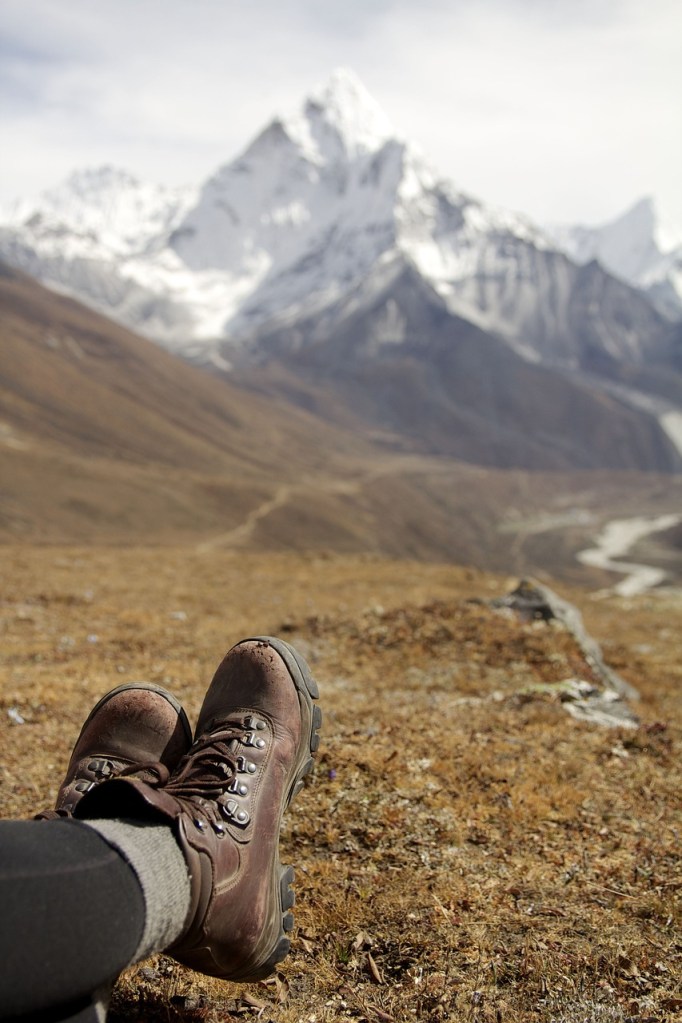
Planning a successful multi-day hiking trip in Canada involves choosing the right trail, packing essential gear, ensuring safety, preparing for all weather conditions, and following Leave No Trace principles. By paying attention to these travel details, you can enjoy a memorable and rewarding adventure.
We hope these tips help you feel confident and excited about your upcoming hike. We’d love to hear about your own hiking experiences and any tips you have for fellow hikers. Sharing your stories can inspire and assist others in their planning.
Canada offers some of the most beautiful and diverse hiking trails in the world. So, get out there and explore the stunning landscapes, from coast to coast. Enjoy every step of your journey and take in the natural beauty that Canada has to offer. Happy hiking!

 Canadian Camping Life
Leave a comment