Canada’s national parks are treasures that showcase the country’s stunning natural beauty and diverse landscapes. From the towering peaks of the Rockies to the serene shores of the Atlantic, these parks offer something for everyone. They are not only places of recreation but also vital areas for conservation, protecting the unique flora and fauna of our great country.
Exploring Canada’s national parks provides an opportunity to connect with nature in a meaningful way. Each park has its own distinct character, offering a wide range of activities such as hiking, wildlife viewing, and water sports. Whether you are looking for a peaceful retreat in the woods or an adventurous expedition in the mountains, you can find it in Canada’s national parks.
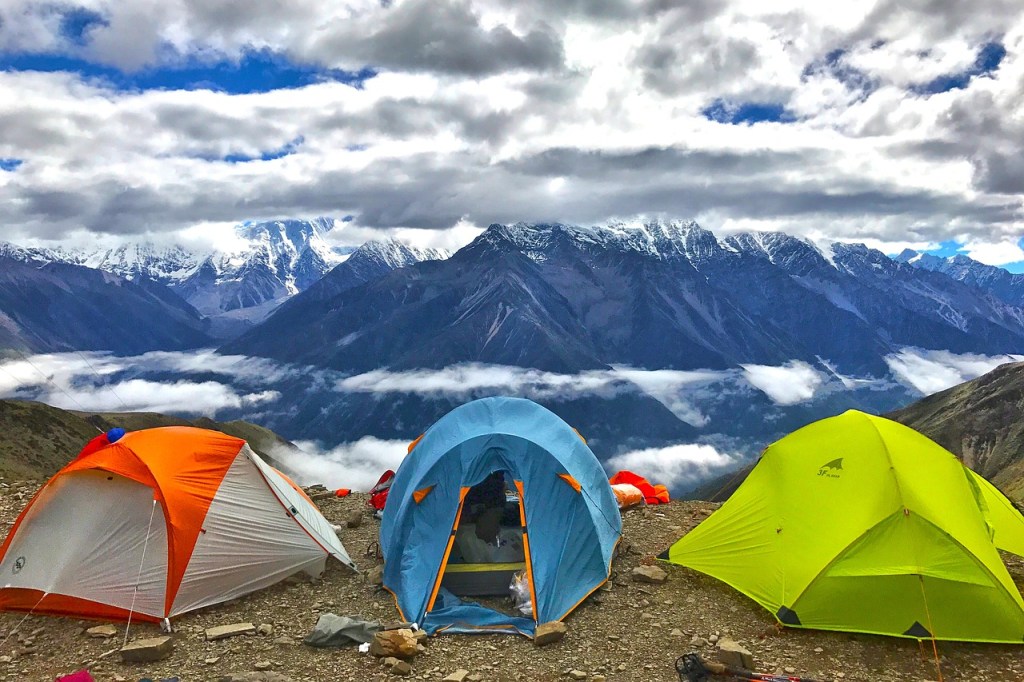
Camping in these parks is a fantastic way to experience the great outdoors. It allows you to fully immerse yourself in the natural environment, enjoying the sights and sounds of the wilderness. With numerous campgrounds and facilities, Parks Canada makes it easy for families to plan their trips and create lasting memories. Camping also promotes a healthy lifestyle and fosters a deeper appreciation for nature, making it a perfect choice for Canadian families looking to explore and enjoy the country’s national parks.
The Significance of Canada’s National Parks
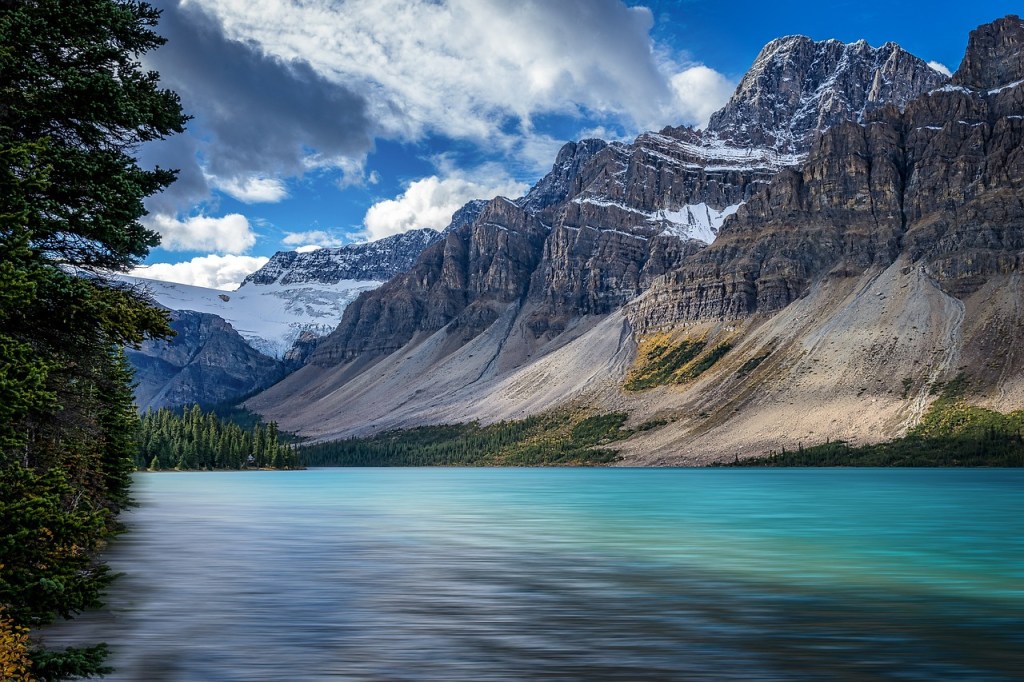
Canada’s national parks hold a special place in the hearts of Canadians. These parks are not just beautiful places to visit; they are a vital part of the country’s culture and heritage. They represent the diverse landscapes and ecosystems that make Canada unique.
Parks Canada plays a crucial role in protecting and preserving these natural areas. Established over a century ago, Parks Canada is the agency responsible for managing national parks and ensuring they remain pristine for future generations. Their work includes maintaining park facilities, protecting wildlife, and educating the public about the importance of conservation.
The natural beauty and biodiversity found in Canada’s national parks are truly remarkable. From the rugged mountains of Banff to the lush forests of Cape Breton Highlands, each park offers something different. You can find everything from majestic glaciers and serene lakes to diverse wildlife like moose, bears, and countless bird species. These parks provide a haven for nature to thrive and a place for people to reconnect with the outdoors.
Visiting Canada’s national parks is more than just a vacation; it’s a chance to experience the country’s natural heritage firsthand. Whether you’re camping, hiking, or simply enjoying the scenery, these parks offer a unique and enriching experience for everyone.
Top National Parks to Visit
Canada is home to some of the most beautiful national parks in the world. Here are a few you won’t want to miss:
Banff National Park
Banff National Park is one of Canada’s most famous parks, known for its stunning mountain scenery and crystal-clear lakes. Key activities here include hiking, canoeing, and wildlife viewing. Popular spots like Lake Louise and Moraine Lake offer breathtaking views and excellent photo opportunities. For campers, Banff has numerous campgrounds equipped with facilities such as restrooms, showers, and picnic areas. RV sites are also available for those traveling with larger vehicles.

Jasper National Park of Canada
Jasper National Park is another gem in the Canadian Rockies. It’s the largest national park in the Rockies and offers a range of activities, including hiking, fishing, and stargazing. The park is part of a designated dark sky preserve, making it a fantastic place for night-time sky watching. Campers can enjoy well-maintained campgrounds with amenities like fire pits, potable water, and sanitary facilities. Jasper’s campgrounds are perfect for both tents and RVs.
Yoho National Park of Canada
Yoho National Park may be smaller than Banff and Jasper, but it’s packed with natural beauty. Visitors can marvel at the towering Takakkaw Falls, hike the scenic trails around Emerald Lake, and explore the fascinating Burgess Shale fossil beds. Yoho’s campgrounds are cozy and provide essential amenities such as washrooms, potable water, and cooking shelters. This park is ideal for families looking for a quieter but equally stunning alternative to the more famous parks.
Kootenay National Park
Kootenay National Park is known for its diverse landscapes, from hot springs to glaciers. A visit to Radium Hot Springs is a must, offering a relaxing soak with beautiful mountain views. Hiking trails such as the Stanley Glacier trail provide opportunities to see wildlife and stunning scenery. Campers will find several campgrounds with modern facilities, including showers, flush toilets, and fire pits. Kootenay is great for families seeking a mix of adventure and relaxation.
Gros Morne National Park of Canada
Located in Newfoundland, Gros Morne National Park is a UNESCO World Heritage site known for its dramatic fjords and unique geological features. Activities include boat tours, hiking, and exploring the park’s distinctive rock formations. Campers can stay in well-equipped campgrounds with amenities like hot showers, kitchen shelters, and laundry facilities. Gros Morne offers a truly unique camping experience with its striking landscapes and coastal charm.
Riding Mountain National Park
Riding Mountain National Park in Manitoba offers a mix of forest, prairie, and lakes. It’s a great spot for wildlife viewing, with a chance to see bison, elk, and black bears. The park features a range of outdoor activities, including hiking, biking, and fishing. Campers can enjoy the park’s campgrounds, which come with modern amenities such as washrooms, showers, and fire pits. The park’s diverse environment makes it an exciting destination for camping families.
Cape Breton Highlands National Park
Cape Breton Highlands National Park in Nova Scotia is famous for the Cabot Trail, a scenic drive with stunning coastal views. The park offers excellent hiking, whale watching, and fishing opportunities. Campgrounds here are well-maintained and include facilities like restrooms, showers, and cooking shelters. The park’s mix of mountains and coastline provides a beautiful backdrop for any camping trip.

Waterton Lakes National Park of Canada
Waterton Lakes National Park in Alberta features striking landscapes where the prairies meet the mountains. Activities include hiking, boating, and wildlife watching. The park’s campgrounds offer essential amenities such as washrooms, potable water, and picnic tables. Waterton is known for its peaceful atmosphere and beautiful scenery, making it a perfect spot for family camping.
Bruce Peninsula National Park
Bruce Peninsula National Park in Ontario is famous for its rugged coastline, clear blue waters, and limestone cliffs. Popular activities include hiking the Bruce Trail, snorkeling, and exploring the Grotto, a picturesque sea cave. Campers will find well-equipped campgrounds with amenities like showers, restrooms, and picnic areas. The park’s natural beauty and unique features make it an exciting destination for outdoor enthusiasts.
Each of these parks offers unique experiences and facilities to ensure a comfortable and enjoyable camping trip. Whether you’re looking for adventure, relaxation, or a bit of both, Canada’s national parks have something for everyone.
Banff National Park
Overview of Banff’s Landscape and Popular Activities
Banff National Park, located in Alberta, is a paradise for nature lovers. The park is famous for its breathtaking mountain scenery, turquoise lakes, and abundant wildlife. Visitors can enjoy a variety of activities such as hiking, canoeing, and wildlife viewing. Popular spots like Lake Louise and Moraine Lake offer stunning views and excellent photo opportunities. During winter, the park transforms into a haven for skiing and snowboarding.
Camping Options within Banff
Banff offers a range of camping options to suit different needs. There are several campgrounds equipped with amenities such as restrooms, showers, and picnic areas. Some of the well-known campgrounds include:
- Tunnel Mountain Campgrounds: These are close to the town of Banff and offer full hookups for RVs, as well as sites for tents.
- Two Jack Lakeside and Two Jack Main Campgrounds: These are ideal for a more rustic camping experience, with beautiful views of the lake and surrounding mountains.
- Lake Louise Campground: Located near Lake Louise, this campground offers sites for both tents and RVs, with easy access to hiking trails and the lake.
Tips for Making the Most of Your Visit
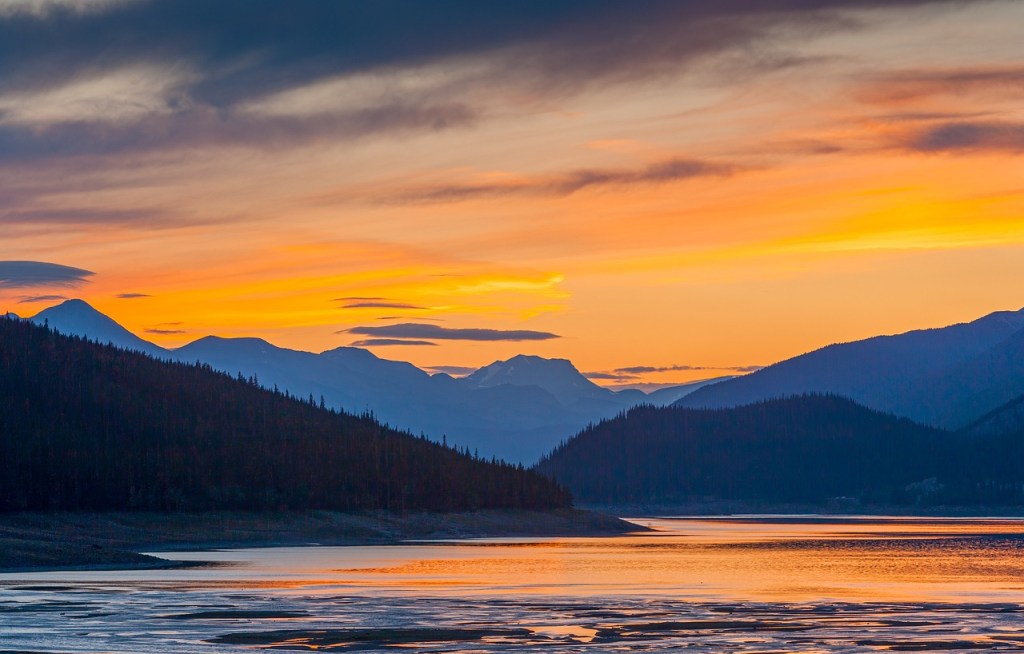
To make the most of your visit to Banff, consider the following tips:
- Plan Ahead: Campgrounds can fill up quickly, especially in the summer, so it’s a good idea to book your site in advance.
- Pack Accordingly: Weather in the mountains can be unpredictable, so bring layers, waterproof gear, and good hiking shoes.
- Respect Wildlife: Keep a safe distance from animals and never feed them. Use bear-proof containers for food storage.
- Explore Off-Peak: Visit popular spots early in the morning or later in the afternoon to avoid crowds.
- Take Advantage of Free Shuttles: Use the park’s shuttle service to visit popular areas like Lake Louise and Moraine Lake, reducing traffic and parking issues.
Banff National Park is a must-visit destination for families looking to experience the beauty of Canada’s wilderness. Whether you’re camping, hiking, or just enjoying the scenery, Banff offers an unforgettable adventure.
Jasper National Park of Canada
Unique Features of Jasper
Jasper National Park, located in Alberta, is the largest national park in the Canadian Rockies. It’s known for its stunning landscapes, which include majestic mountains, expansive glaciers, and vibrant blue lakes. One unique feature of Jasper is its dark sky preserve status, making it an excellent spot for stargazing. Visitors often see a variety of wildlife such as elk, deer, and even bears, providing a true wilderness experience.
Top Camping Spots and Facilities
Jasper offers several great camping spots with excellent facilities. Here are a few top choices:
- Whistlers Campground: This is the largest campground in Jasper and has recently been renovated. It offers over 700 sites for tents and RVs, with amenities such as hot showers, flush toilets, and a playground for kids.
- Wapiti Campground: Located along the Athabasca River, this campground is open year-round and offers both serviced and unserviced sites. It’s close to Jasper town, making it convenient for supplies.
- Pocahontas Campground: This quieter spot is ideal for those looking to escape the crowds. It offers basic facilities and easy access to nearby hiking trails.
Recommended Activities and Best Times to Visit
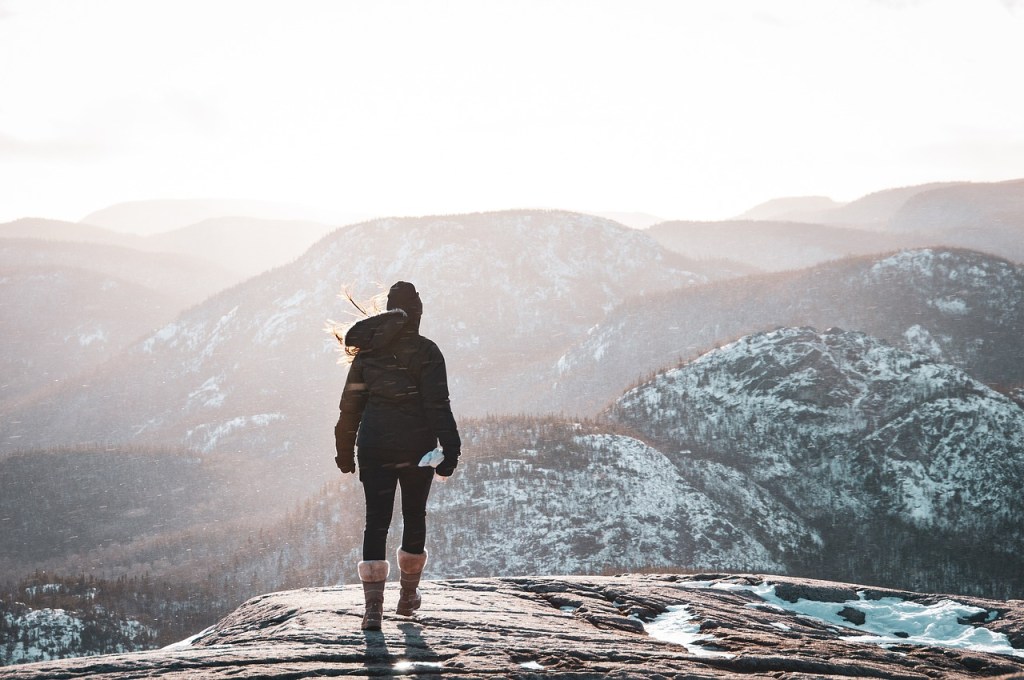
Jasper is a paradise for outdoor enthusiasts. Here are some must-do activities:
- Hiking: With trails ranging from easy walks to challenging hikes, there’s something for everyone. Popular hikes include the Valley of the Five Lakes and the Edith Cavell Meadows.
- Canoeing and Kayaking: The serene lakes like Pyramid Lake and Maligne Lake are perfect for paddling.
- Wildlife Viewing: Early mornings and late evenings are the best times to spot animals. The drive along Maligne Lake Road is particularly good for seeing wildlife.
- Stargazing: Thanks to its dark sky preserve status, Jasper offers incredible night skies. The Jasper Dark Sky Festival in October is a great event for star lovers.
The best times to visit Jasper are from late spring to early fall (May to September) when the weather is warm and the trails are accessible. However, winter also offers unique activities such as skiing and ice walks in Maligne Canyon.
Jasper National Park is a wonderful destination for families looking to experience Canada’s natural beauty. With its diverse activities and excellent camping facilities, it promises an unforgettable adventure.
Yoho National Park of Canada
Highlights of Yoho’s Natural Beauty
Yoho National Park, located in British Columbia, is a treasure trove of natural wonders. The park is renowned for its dramatic waterfalls, towering peaks, and serene lakes. One of the most striking features is Takakkaw Falls, one of the highest waterfalls in Canada. Another must-see is Emerald Lake, which lives up to its name with its stunning green waters. The park also houses the Burgess Shale, a UNESCO World Heritage Site known for its well-preserved fossils that offer a glimpse into ancient life on Earth.
Camping and Activities Available
Yoho offers several excellent camping options. The Kicking Horse Campground is the largest, providing sites for both tents and RVs, with amenities such as flush toilets and picnic tables. The Monarch Campground is smaller and more rustic, perfect for those seeking a quieter experience. For those looking to camp in a more remote setting, the Takakkaw Falls Campground offers a unique experience with sites close to the falls.
There’s no shortage of activities in Yoho. Hiking is a favorite, with trails ranging from easy walks to challenging treks. The Iceline Trail is particularly popular, offering breathtaking views of glaciers and waterfalls. Canoeing on Emerald Lake is another highlight, allowing visitors to take in the stunning scenery from the water. Wildlife watching is also a common activity, with opportunities to see animals like elk, mountain goats, and even bears.
Yoho National Park is a fantastic destination for families looking to explore Canada’s natural beauty. With its impressive landscapes and a variety of activities, it offers something for everyone.
Kootenay National Park
Overview of the Park’s Landscapes and Attractions
Kootenay National Park, located in southeastern British Columbia, offers a diverse range of landscapes and natural attractions. From the towering peaks of the Rocky Mountains to the warm waters of Radium Hot Springs, the park is filled with stunning scenery. Visitors can marvel at the colorful Paint Pots, a series of mineral-rich pools, and explore the dramatic Marble Canyon with its deep, narrow gorge.
Camping Options and Activities
Kootenay National Park provides several excellent camping options for families. The Redstreak Campground is the largest, offering sites for tents and RVs with amenities like flush toilets, showers, and a playground. For a more rustic experience, Marble Canyon Campground provides basic facilities and is close to hiking trails.
There are plenty of activities to enjoy in Kootenay. Hiking is a popular choice, with trails ranging from easy walks to challenging treks. The Stanley Glacier Trail is a favorite, offering spectacular views of glaciers and wildflowers. For those who enjoy water activities, the Kootenay River is perfect for canoeing and kayaking. Wildlife viewing is also common, with chances to see animals like bighorn sheep, deer, and even the occasional bear.
Best Times to Visit and What to Expect
The best time to visit Kootenay National Park is from late spring to early fall (May to September). During this period, the weather is generally warm, and most facilities and trails are open. Summer is the busiest season, so booking campsites in advance is recommended.
When visiting, expect a mix of activities that cater to all ages. The park’s diverse landscapes mean you can enjoy both relaxing hot springs and adventurous hikes in the same trip. Always be prepared for changing weather conditions by packing layers and waterproof gear.
Kootenay National Park is a wonderful destination for Canadian families looking to explore the natural beauty of the Rockies. With its variety of landscapes, activities, and camping options, it promises an enjoyable and memorable experience for everyone.
Gros Morne National Park of Canada
Unique Geological Features and Landscapes
Gros Morne National Park, located in Newfoundland, is renowned for its unique geological features and stunning landscapes. The park is a UNESCO World Heritage Site, famous for the Tablelands, a rare area of exposed Earth’s mantle, offering a moon-like terrain. Visitors can also explore the dramatic fjords of Western Brook Pond, carved by glaciers, and the lush green forests that cover much of the park. These varied landscapes make Gros Morne a fascinating destination for nature enthusiasts.
Camping Options and Facilities
Gros Morne National Park offers several camping options to suit different preferences. The Trout River Campground and Berry Hill Campground are popular choices, providing sites for both tents and RVs. These campgrounds are equipped with essential amenities such as flush toilets, hot showers, and picnic areas. For those seeking a more remote experience, the Green Point Campground offers a scenic coastal setting with basic facilities.
Recommended Hikes and Activities
Gros Morne is a hiker’s paradise, with trails ranging from easy walks to challenging treks. The Green Gardens Trail is a favorite, leading through lush meadows to a dramatic coastline. For a more strenuous hike, the Gros Morne Mountain Trail offers breathtaking views from the summit, but it requires good preparation and fitness. The Tablelands Trail provides a unique experience, allowing visitors to walk on ancient mantle rock.
In addition to hiking, the park offers boat tours on Western Brook Pond, where visitors can marvel at the towering cliffs and waterfalls. Kayaking and canoeing are also popular activities, providing a peaceful way to explore the park’s waterways. Wildlife viewing is another highlight, with opportunities to see moose, caribou, and various bird species.
Gros Morne National Park is a fantastic destination for Canadian families looking to experience the natural beauty and geological wonders of Newfoundland. With its diverse landscapes, excellent camping facilities, and a wide range of activities, it promises an unforgettable adventure.

Riding Mountain National Park
Overview of Riding Mountain’s Diverse Ecosystem
Riding Mountain National Park, located in Manitoba, boasts a diverse ecosystem that includes forests, prairies, and lakes. The park covers over 3,000 square kilometers and offers a unique blend of natural environments. Visitors can explore the lush forests, open meadows, and the scenic shores of Clear Lake. This diversity supports a wide range of wildlife, including bison, elk, black bears, and countless bird species. The park’s varied landscapes make it a fascinating destination for nature lovers and families alike.
Camping Facilities and Activities
Riding Mountain National Park provides several camping options with excellent facilities. The Wasagaming Campground is the largest, offering sites for tents and RVs, complete with amenities like hot showers, flush toilets, and picnic areas. For those looking for a more rustic experience, the Deep Lake and Moon Lake campgrounds offer basic facilities in a quieter, more natural setting.
There are plenty of activities to enjoy in the park. Hiking is a popular choice, with trails suitable for all skill levels. The Gorge Creek Trail and the Arrowhead Trail are family favorites, offering beautiful views and chances to see wildlife. Clear Lake is perfect for swimming, boating, and fishing, providing fun for all ages. Wildlife viewing is a highlight of the park, with opportunities to see bison herds in their natural habitat.
Riding Mountain National Park is a fantastic destination for Canadian families looking to experience the beauty of nature. With its diverse ecosystems, excellent camping facilities, and wide range of activities, it promises a memorable adventure for all.
Cape Breton Highlands National Park
Highlights of Cape Breton’s Coastal and Highland Scenery
Cape Breton Highlands National Park, located in Nova Scotia, is known for its breathtaking coastal and highland scenery. The park offers a unique blend of rugged cliffs, lush forests, and stunning ocean views. One of the park’s highlights is the Cabot Trail, a scenic drive that winds through the park offering spectacular vistas of the coastline and mountains. The park is also home to diverse wildlife, including moose, bald eagles, and whales, making it a perfect destination for nature lovers.
Camping Options and Activities
Cape Breton Highlands National Park provides several excellent camping options. The Chéticamp Campground and Ingonish Beach Campground are two popular choices, offering sites for tents and RVs with amenities like hot showers, flush toilets, and picnic areas. For a more back-to-nature experience, the Broad Cove Campground provides a peaceful setting near the beach.
The park is a paradise for outdoor activities. Hiking is one of the top activities, with trails suitable for all ages and fitness levels. The Skyline Trail is particularly famous for its stunning views of the Gulf of St. Lawrence. Fishing is another popular activity, with opportunities to catch trout in the park’s rivers and lakes. For those who enjoy water activities, kayaking and swimming in the park’s pristine waters are highly recommended.
Best Times to Visit and Tips for Visitors
The best time to visit Cape Breton Highlands National Park is from late spring to early fall (May to October) when the weather is mild and most facilities and trails are open. The summer months are particularly popular, so it’s advisable to book campsites in advance.
Cape Breton Highlands National Park is a wonderful destination for Canadian families looking to explore stunning landscapes and enjoy a variety of outdoor activities. With its excellent camping facilities and diverse attractions, it promises an unforgettable experience for all.
Waterton Lakes National Park of Canada
Overview of Waterton Lakes’ Unique Landscapes
Waterton Lakes National Park, located in Alberta, is known for its striking landscapes where the prairies meet the Rocky Mountains. This unique combination creates a stunning environment with rolling hills, deep canyons, and crystal-clear lakes. The park’s centerpiece, Waterton Lake, is surrounded by rugged peaks and lush forests, providing breathtaking views and a serene atmosphere. The park is also part of the Waterton-Glacier International Peace Park, a UNESCO World Heritage Site, showcasing its global significance.
Camping Options and Activities
Waterton Lakes offers several camping options suitable for families. The Townsite Campground is the most popular, located close to the town of Waterton. It provides full amenities, including hot showers, flush toilets, and electrical hookups for RVs. For a more secluded experience, the Crandell Mountain Campground offers a quieter setting with basic facilities.
The park is a hub for various outdoor activities. Hiking is a favorite, with trails that range from easy walks to challenging climbs. The lakes and rivers in the park are perfect for canoeing, kayaking, and fishing. Wildlife viewing is also popular, with opportunities to see deer, bighorn sheep, and even bears in their natural habitat.
Recommended Trails and Best Times to Visit
Waterton Lakes has several excellent hiking trails. The Bear’s Hump Trail is a short but steep hike that rewards with panoramic views of Waterton Lake and the surrounding mountains. The Crypt Lake Trail is more challenging and includes a boat ride across the lake, making it an adventurous day trip. For an easier walk, the Linnet Lake Trail offers beautiful views and is perfect for families with young children.
The best time to visit Waterton Lakes is from late spring to early fall (May to September), when the weather is mild and the trails are open. Summer is the busiest season, so it’s a good idea to book campsites in advance. Visiting in the shoulder seasons of late spring or early fall can also provide a more peaceful experience with fewer crowds.
Waterton Lakes National Park offers a unique and memorable experience for Canadian families. With its stunning landscapes, excellent camping facilities, and a variety of activities, it’s a perfect destination for outdoor adventures.
Bruce Peninsula National Park
Highlights of Bruce Peninsula’s Rugged Coastline
Bruce Peninsula National Park, located in Ontario, is famous for its rugged coastline and clear blue waters. The park features dramatic cliffs, ancient cedar trees, and stunning limestone formations. One of the most popular spots is the Grotto, a scenic sea cave with turquoise waters that’s perfect for swimming and snorkeling. The park also includes the Bruce Trail, which offers breathtaking views of the Georgian Bay and diverse landscapes.
Camping Options and Activities
Bruce Peninsula National Park offers several camping options to suit different preferences. The Cyprus Lake Campground is the main campground, providing sites for tents and RVs with amenities like potable water, restrooms, and picnic areas. For those seeking a more secluded experience, backcountry camping is available along the Bruce Trail, offering a true wilderness adventure.
There are plenty of activities to enjoy in the park. Hiking is a favorite, with trails ranging from easy walks to more challenging treks. The Marr Lake Trail and the Georgian Bay Trail are popular choices, offering beautiful views and access to the Grotto. Snorkeling and swimming in the crystal-clear waters of the Georgian Bay are must-do activities. Wildlife viewing is also common, with opportunities to see species like black bears, foxes, and various birds.
Tips for Making the Most of Your Visit
To get the most out of your visit to Bruce Peninsula National Park, consider these tips:
- Book Early: The park is very popular, especially in the summer, so it’s wise to book your campsite well in advance.
- Pack for Varied Weather: The weather can change quickly, so bring layers and waterproof gear to stay comfortable.
- Explore Early or Late: Visit popular spots like the Grotto early in the morning or later in the afternoon to avoid crowds.
- Respect Wildlife: Keep a safe distance from animals and never feed them. Follow park guidelines for food storage to avoid attracting wildlife.
- Use Park Services: Take advantage of the park’s visitor center for maps, information, and tips on the best trails and activities.
Bruce Peninsula National Park is a fantastic destination for Canadian families looking to experience the natural beauty of Ontario. With its stunning landscapes, excellent camping facilities, and a variety of activities, it promises an unforgettable adventure for everyone.
Planning Your Trip
Best Times of Year to Visit Canadian National Parks
The best time to visit Canadian national parks generally falls between late spring and early fall (May to September). During these months, the weather is mild, and most facilities and trails are open. Summer (June to August) is the peak season, with warm temperatures and a full range of activities. However, visiting in the shoulder seasons of late spring and early fall can offer fewer crowds and beautiful seasonal changes, like blooming wildflowers in spring and vibrant foliage in fall.
Essential Gear and Preparations for a Successful Camping Trip
To ensure a successful camping trip, it’s important to pack the right gear and make adequate preparations:
- Tent and Sleeping Gear: A sturdy, weather-resistant tent and a warm sleeping bag are essential. Don’t forget a comfortable sleeping pad or air mattress.
- Clothing: Pack layers to prepare for variable weather. Include moisture-wicking base layers, warm mid-layers, and a waterproof outer layer. Don’t forget a hat, gloves, and sturdy hiking boots.
- Cooking Supplies: A portable camping stove, fuel, cooking utensils, and a cooler for perishable food items. Bring enough food and snacks for your entire trip.
- Water and Hydration: Carry plenty of water and a water purification method, such as a filter or purification tablets.
- Safety and Navigation: A first aid kit, map, compass, or GPS device. It’s also wise to bring bear spray if you’re camping in bear country.
- Miscellaneous: A flashlight or headlamp, extra batteries, insect repellent, sunscreen, and biodegradable soap.
Booking Campsites and Necessary Permits
Booking your campsite in advance is crucial, especially during the busy summer months. Most national parks offer online reservation systems through the Parks Canada website. It’s important to check the specific requirements and regulations for the park you plan to visit, as some areas may require additional permits for backcountry camping or certain activities like fishing.
- Plan Ahead: Make your reservations as early as possible to secure your preferred campsite.
- Check Regulations: Review the park’s regulations and guidelines to ensure you have the necessary permits and understand the rules regarding campfires, food storage, and wildlife safety.
- Prepare for Emergencies: Know the location of the nearest ranger station or park office in case you need assistance.
By visiting during the best times of year, packing essential gear, and securing your campsite and permits in advance, you can ensure a safe and enjoyable camping experience in Canada’s beautiful national parks.
Backcountry Camping Tips
Preparation and Safety Tips for Backcountry Camping
Backcountry camping offers an immersive experience in nature but requires careful preparation and attention to safety. Here are some key tips:
- Plan Ahead: Research your destination, understand the trail conditions, and check weather forecasts.
- Pack Essentials: Bring a lightweight tent, sleeping bag, and sleeping pad. Ensure you have enough food, a portable stove, water purification method, and first aid kit.
- Navigation Tools: Carry a detailed map, compass, or GPS device to avoid getting lost.
- Clothing: Wear moisture-wicking layers and pack waterproof gear. Sturdy hiking boots are a must.
- Safety Measures: Inform someone of your route and expected return. Carry bear spray if you’re in bear country and know how to use it.
- Waste Management: Pack out all trash and use biodegradable soap.
Suggested Trails and Routes for a More Rugged Experience
Canada’s national parks offer some fantastic backcountry trails. Here are a few recommended routes:
- West Coast Trail (Pacific Rim National Park Reserve): A challenging coastal hike with rugged terrain and stunning ocean views.
- Tonquin Valley (Jasper National Park): Known for its beautiful alpine scenery and wildlife sightings.
- La Cloche Silhouette Trail (Killarney Provincial Park): Offers rugged terrain and picturesque landscapes.
Leave No Trace Principles and Respecting Nature
Respecting nature is crucial while backcountry camping. Follow these Leave No Trace principles (we will repeat this throughout most of our posts):
- Plan Ahead and Prepare: Ensure you’re equipped for the journey and know the regulations.
- Travel and Camp on Durable Surfaces: Stick to established trails and campsites.
- Dispose of Waste Properly: Pack out all trash and dispose of human waste properly.
- Leave What You Find: Don’t disturb natural features or wildlife.
- Minimize Campfire Impact: Use a camp stove for cooking. If fires are allowed, use established fire rings.
- Respect Wildlife: Observe animals from a distance and do not feed them.
- Be Considerate of Others: Maintain a low noise level and yield to other hikers on the trail.
By following these tips and principles, you can enjoy a safe and environmentally responsible backcountry camping experience in Canada’s national parks.
Conservation Efforts and Responsible Camping
Importance of Preserving Natural Areas and Wildlife
Preserving natural areas and wildlife is essential for maintaining biodiversity and ensuring that future generations can enjoy Canada’s beautiful landscapes. National parks provide habitats for numerous species and protect vital ecosystems. By conserving these areas, we help to ensure the survival of plants and animals and maintain the natural beauty that makes Canada special.
Parks Canada’s Conservation Initiatives
Parks Canada plays a crucial role in protecting and managing these natural areas. Their conservation initiatives include habitat restoration, species protection programs, and efforts to combat invasive species. Parks Canada also conducts research to monitor the health of ecosystems and wildlife populations. These initiatives help maintain the ecological integrity of national parks, ensuring they remain healthy and vibrant for years to come.
How Campers Can Contribute to Conservation Efforts
Campers can play a significant role in conservation efforts by following these practices:
- Leave No Trace: Always pack out what you pack in. This includes all trash, leftover food, and litter. Use established campsites and trails to minimize impact on natural areas.
- Respect Wildlife: Observe animals from a distance and do not feed them. Feeding wildlife can disrupt their natural behaviors and harm their health.
- Use Eco-Friendly Products: Choose biodegradable soaps and cleaning products. Avoid using items that can harm the environment, such as single-use plastics.
- Conserve Water and Energy: Be mindful of your water and energy use. Turn off lights and water taps when not in use, and use resources sparingly.
- Educate Yourself and Others: Learn about the specific conservation issues facing the park you are visiting. Share this knowledge with others to promote responsible camping practices.
By adopting these habits, campers can help protect Canada’s national parks and contribute to ongoing conservation efforts. Responsible camping ensures that these natural treasures remain pristine and accessible for future generations.
Wildlife Watching and Safety
Common Wildlife in Canadian National Parks
Canadian national parks are home to a diverse range of wildlife. You might see animals such as moose, elk, deer, and black bears in many parks. In the Rockies, you can spot bighorn sheep and mountain goats. Parks like Jasper and Banff are also known for grizzly bears. Birdwatchers can enjoy spotting species like bald eagles, loons, and various waterfowl. Coastal parks might offer sightings of whales, seals, and seabirds.
Safety Measures to Protect Both Visitors and Animals
To ensure the safety of both visitors and animals, follow these guidelines:
- Use Bear-Proof Containers: Store all food, trash, and scented items in bear-proof containers or lockers provided at campsites.
- Dispose of Waste Properly: Pack out all garbage and food scraps. Never leave waste behind as it can attract wildlife.
- Carry Bear Spray: If you’re in bear country, carry bear spray and know how to use it. Keep it accessible at all times.
- Travel in Groups: Hiking or camping in groups can reduce the risk of wildlife encounters. Make noise to alert animals of your presence, especially in dense vegetation or near water sources.
- Follow Park Regulations: Adhere to all park guidelines and rules regarding wildlife. These rules are in place to protect both visitors and the natural inhabitants of the parks.
By following these tips and guidelines, you can enjoy wildlife watching in Canada’s national parks while ensuring a safe and respectful experience for both you and the animals.
Road Trips and RV Camping
Benefits of Road Trips for Exploring Multiple Parks
Taking a road trip is a fantastic way to explore multiple national parks in Canada. It allows you the flexibility to visit a variety of landscapes and attractions at your own pace. Road trips are perfect for families as they offer the convenience of traveling with all your gear, making it easier to manage meals and accommodations. Additionally, road trips provide the freedom to change plans on the go, ensuring that you can make the most of your adventure.
RV Camping Tips and Recommended Routes
RV camping combines the comfort of home with the adventure of the outdoors. Here are some tips for a successful RV camping trip:
- Plan Your Route: Map out your route in advance and make reservations at campgrounds to ensure availability, especially during peak seasons.
- Pack Essentials: Bring all necessary supplies, including food, cooking utensils, bedding, and safety gear. Don’t forget tools and spare parts for any RV repairs.
- Stay Organized: Keep your RV tidy and organized to make the most of the limited space. Use storage bins and organizers to keep things in order.
- Safety First: Ensure your RV is in good condition before hitting the road. Check the tires, brakes, and fluid levels. Always follow road safety rules and be prepared for varying weather conditions.
A recommended route is the scenic drive through the Canadian Rockies, connecting Banff, Jasper, and Yoho National Parks. This route offers stunning mountain views, numerous hiking trails, and beautiful campgrounds.
Highlights of a Road Trip Through the Canadian Rockies
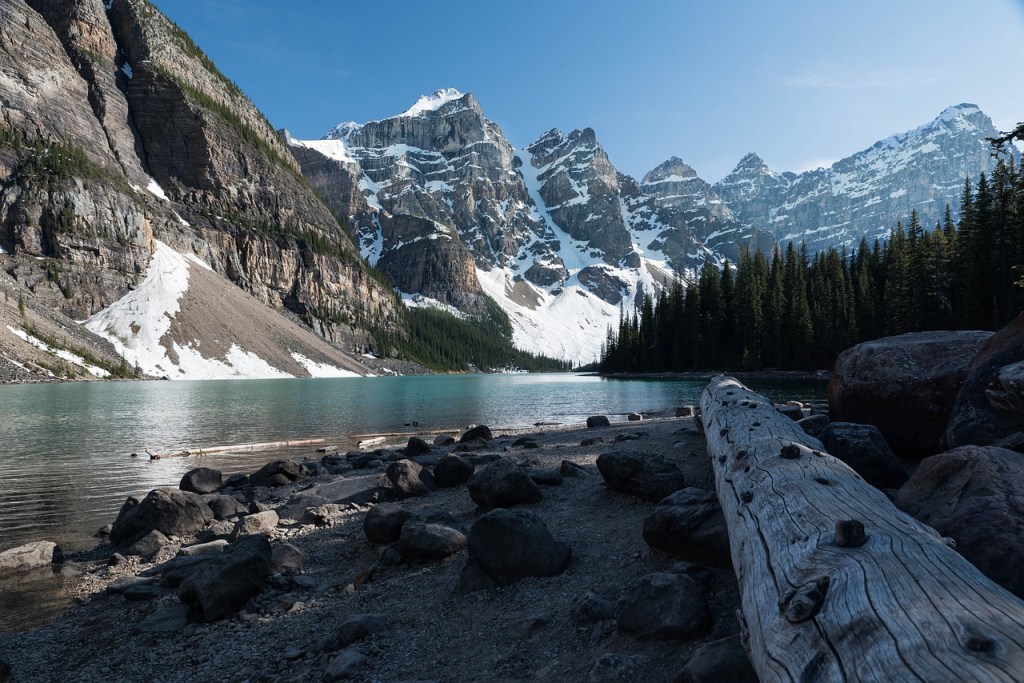
A road trip through the Canadian Rockies is an unforgettable experience. Starting in Banff National Park, you can explore the turquoise waters of Lake Louise and Moraine Lake. Continuing to Jasper National Park, take in the breathtaking scenery along the Icefields Parkway, stopping at the Columbia Icefield and Athabasca Falls. In Yoho National Park, marvel at the impressive Takakkaw Falls and the serene Emerald Lake.
This road trip not only showcases some of the most spectacular landscapes in Canada but also provides ample opportunities for outdoor activities like hiking, wildlife viewing, and stargazing. An RV road trip through the Canadian Rockies offers the perfect blend of adventure and comfort for Canadian families looking to explore the great outdoors.
Reader Stories and Experiences
Share Your Canadian National Park Adventures
We love hearing about your adventures in Canada’s national parks! Sharing your experiences not only helps inspire others to explore these beautiful places but also builds a sense of community among fellow campers and nature lovers. Whether you have a favorite trail, a memorable wildlife encounter, or a perfect camping spot, your stories can make a big difference.
How to Submit Stories and Photos to Canadian Camping Life
Sharing your adventures with Canadian Camping Life is easy. Simply send us your stories and photos via email at cdnclstories@gmail.com. Include your name, the national park you visited, and a brief description of your experience. High-quality photos are especially welcome, as they help bring your story to life for other readers. We may feature your story on our blog or social media channels, giving you the chance to inspire even more outdoor enthusiasts.
Building a Community of Passionate Campers
By sharing your experiences, you become part of a vibrant community of passionate campers and nature lovers. This community is a great resource for tips, recommendations, and support. Engaging with others who share your love for the outdoors can enhance your own camping experiences and help you discover new parks and activities. Join the conversation on our social media platforms and connect with other campers who are as enthusiastic about exploring Canada’s national parks as you are.

Your stories and photos are a valuable part of Canadian Camping Life. They help us celebrate the beauty of our national parks and encourage others to get out and explore. We can’t wait to hear about your next adventure!

 Canadian Camping Life
Leave a comment